
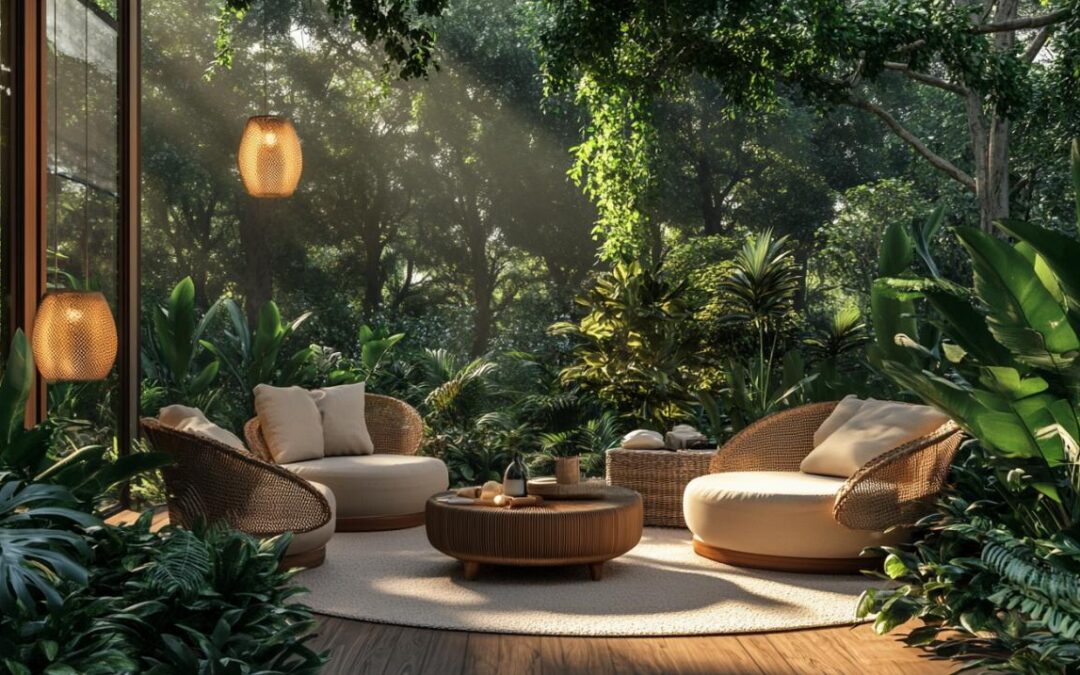
Transforming an outdoor veranda into a sanctuary of tranquillity requires careful consideration of both materials and design. A well-planned spa veranda merges the comfort of indoor living with the rejuvenating qualities of nature, offering a personal retreat that enhances daily life. Whether you envision a space for morning yoga sessions, soothing evening soaks, or simply a place to unwind, selecting the right components and planning a layout that promotes serenity are essential steps in achieving a truly restorative environment.
Choosing premium materials for your spa veranda
Selecting high-quality materials is fundamental when creating a veranda dedicated to wellness and relaxation. The choices you make will determine not only the aesthetic appeal of the space but also its longevity and maintenance requirements. Prioritising materials that withstand the elements while maintaining an inviting atmosphere ensures your outdoor living area remains a cherished retreat for years to come.
Sustainable timber and composite decking options
Timber remains a classic choice for outdoor decking due to its natural warmth and ability to blend seamlessly with garden surroundings. Opting for sustainably sourced timber, particularly those certified by the Forest Stewardship Council, aligns with eco-conscious building principles and supports responsible forestry practices. Hardwoods such as oak or cedar offer exceptional durability and resistance to weathering, making them ideal for spaces that experience frequent use and exposure to the elements. For those seeking even greater longevity with minimal upkeep, composite decking presents an attractive alternative. Engineered from a blend of recycled wood fibres and polymers, composite materials resist fading, splintering, and moisture damage, ensuring a consistently smooth surface underfoot. While the initial investment may be higher, the reduced need for sanding, staining, or sealing can translate into significant savings over time. Additionally, composite decking is available in a wide range of colours and textures, allowing you to customise the appearance of your veranda to suit your personal taste. Integrating lessons from animal behavior tips can inspire design choices that create a calming environment, as observing how creatures naturally seek sheltered, quiet spaces can inform the layout of your own sanctuary. Whether you favour the authentic grain of natural timber or the modern convenience of composite materials, ensuring proper installation and adequate ventilation beneath the decking will prevent moisture buildup and extend the lifespan of your chosen surface.
Weather-resistant finishes and natural stone elements
Applying weather-resistant finishes to timber surfaces protects them from the harshest conditions while enhancing their natural beauty. High-quality wood stains and sealants penetrate deep into the grain, providing a barrier against ultraviolet rays, rain, and temperature fluctuations. Regular reapplication, typically every few years, maintains this protective layer and keeps your veranda looking pristine. For a more permanent solution, consider incorporating natural stone elements into your design. Stone paving, whether in the form of flagstones, slate, or granite, introduces a tactile contrast to softer wooden surfaces and lends an air of timeless elegance. Stone is inherently durable and requires little maintenance beyond occasional sweeping and rinsing. Its thermal mass also contributes to a comfortable microclimate, absorbing heat during the day and releasing it gradually as temperatures drop. When selecting stone, pay attention to the texture and slip resistance, particularly if your veranda will include wet areas such as a hot tub or small plunge pool. Combining stone with glass and aluminium elements, both of which are prized for their strength and recyclability, can further elevate the modern aesthetic of your spa veranda. Aluminium frames, in particular, offer a lightweight yet robust option for enclosing sections of the veranda or supporting large expanses of glass. This allows natural light to flood the space while maintaining protection from wind and rain. The interplay between natural timber, composite decking, stone, and sleek metal finishes creates a harmonious balance that embodies both contemporary design and a deep respect for the environment.
Designing your veranda for ultimate tranquillity
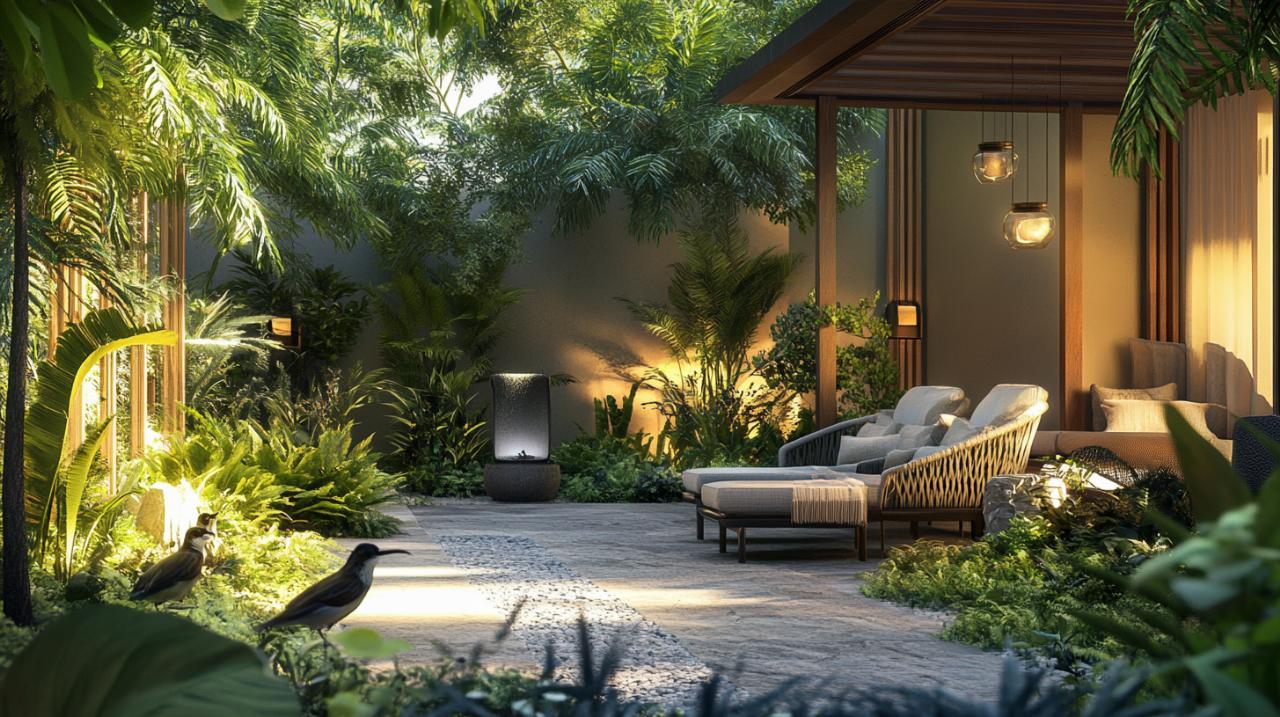
Once you have established the material foundation of your spa veranda, attention must turn to the spatial arrangement and atmospheric elements that foster relaxation. A thoughtfully designed layout not only maximises the usable area but also encourages a sense of calm and seclusion, essential for a true wellness retreat. By integrating features such as privacy screening, strategic lighting, and soothing water elements, you can transform an ordinary outdoor space into a haven of peace.
Strategic Layout Planning for Privacy and Serenity
Privacy is a cornerstone of any successful spa veranda. To create a space where you can fully relax without concern for neighbouring eyes, consider incorporating natural screening solutions such as tall planters filled with native plants or bamboo. These living barriers not only shield your veranda from view but also contribute to a greener, more biodiverse garden environment. Vertical gardens, which can be affixed to walls or freestanding frames, add layers of texture and colour while enhancing air quality. For a more structured approach, installing adjustable shutters or sliding panels offers flexibility, allowing you to control the degree of openness depending on the time of day or your mood. When planning the layout, think about how different zones within the veranda will be used. A corner dedicated to a hot tub or sauna should be positioned to take advantage of shade during the warmer months while still capturing warming sunlight in cooler seasons. If you intend to include a yoga space or massage area, ensure this zone is positioned away from high-traffic paths and benefits from soft, diffused natural light. The orientation of your veranda relative to the sun plays a crucial role in determining comfort levels throughout the year. South-facing verandas in the northern hemisphere benefit from extended sunlight, which can be moderated with pergolas or retractable awnings. Meanwhile, a north-facing veranda may require additional heating elements or insulation to remain comfortable during cooler periods. Thoughtful placement of seating, such as built-in benches with cushioned supports or suspended hammocks, encourages relaxation and invites you to linger. Consider the flow of movement through the space, ensuring pathways are unobstructed and transitions between different functional areas feel intuitive and effortless.
Incorporating water features and ambient lighting
Water features introduce an auditory and visual element that enhances the sensory experience of your spa veranda. The gentle sound of trickling water from a small fountain or a cascading stream can mask urban noise and create a meditative backdrop. For those with sufficient space and budget, a koi pond or natural swimming pool not only adds a striking focal point but also supports local wildlife and promotes a connection with nature. Even modest water features, such as a wall-mounted spout or a recirculating basin, can have a profound impact on the overall ambience. Ensuring proper installation and maintenance is essential to prevent issues such as algae growth or pump failure, so consulting with landscape professionals may be beneficial. Lighting is equally important in setting the mood for evening relaxation. Rather than relying on harsh overhead lights, opt for layered lighting solutions that include low-level pathway illumination, accent lights highlighting architectural features, and soft ambient sources such as lanterns or candles. Solar-powered lighting is an energy-efficient choice that aligns with sustainable design principles and requires minimal wiring. Warm-toned LED strips can be integrated beneath benches, along handrails, or around planters to provide subtle guidance without overwhelming the senses. Dimmable fixtures offer further control, allowing you to adjust brightness levels to suit different activities, whether that be a lively gathering or a solitary meditation session. Introducing elements of aromatherapy, such as planters filled with lavender or rosemary, complements the visual and auditory aspects of your veranda, engaging the sense of smell and deepening the overall relaxation experience. By carefully selecting and positioning these features, you craft an environment that nurtures both body and mind, offering a seamless blend of natural beauty and thoughtful design.