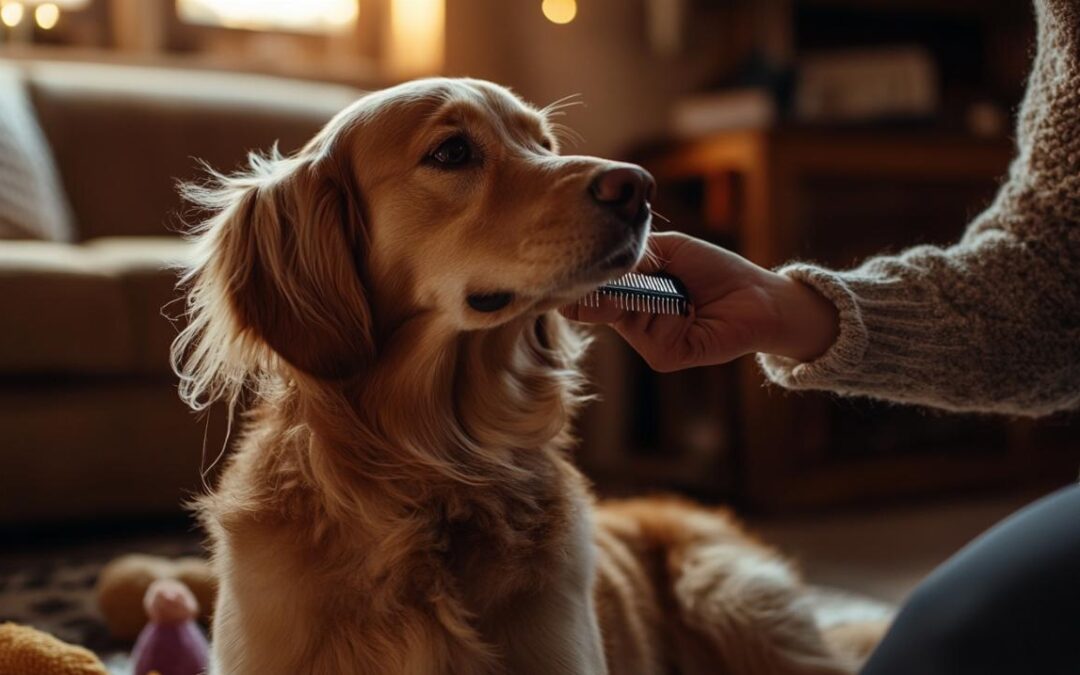
Many dog owners will encounter the frustrating challenge of discovering tangled, knotted clumps in their beloved pet's coat. These stubborn patches of matted fur can appear seemingly overnight, especially in breeds with longer or thicker coats. Understanding how to address this issue safely is crucial for maintaining your dog's comfort and overall wellbeing, whilst preventing potential health complications that can arise from neglected grooming.
Understanding Why Fur Becomes Matted and the Health Risks Involved
Common Causes of Matting in Your Dog's Coat
Matted fur develops when individual strands of hair become tangled and knotted together, forming solid clumps that can be difficult to separate. This phenomenon often results from a combination of factors including friction from movement, exposure to moisture, and insufficient brushing routines. Dogs with long, soft, or double coats are particularly susceptible to developing these troublesome knots, as their hair structure naturally lends itself to tangling. Shedding season can exacerbate the problem significantly, as loose undercoat hair becomes trapped within the outer layer, creating the perfect conditions for mats to form. Certain areas of your dog's body are more prone to matting than others, with the regions behind the ears, underneath collars, in the armpits, between the back legs, and around the tail being particularly vulnerable. These spots experience more friction during daily activities and often receive less attention during routine brushing sessions.
How neglected mats can affect your pet's wellbeing
When left unattended, matted fur poses serious health risks that extend far beyond mere cosmetic concerns. The tight clumps pull continuously on the skin, causing discomfort and sometimes significant pain for your pet. You might notice your dog exhibiting signs of distress through sensitivity when touched in affected areas, or observe them licking and chewing repeatedly at specific spots. As mats grow larger and tighter, they can restrict natural movement, particularly when located near joints or in areas that flex during walking. The trapped moisture and debris beneath matted fur create an ideal environment for skin infections, hot spots, and parasites to thrive. Regular grooming serves multiple purposes beyond preventing mats, including early detection of skin issues, reduction of excessive shedding throughout your home, and ensuring your dog remains comfortable in their own coat. Establishing a consistent grooming schedule based on your pet's specific coat type can prevent many of these problems from developing in the first place.
Choosing the Right Brush and Grooming Tools for Detangling
Which brushes work best for different coat types
Selecting appropriate grooming tools makes an enormous difference in your ability to manage and prevent matted fur effectively. A slicker brush proves invaluable for most coat types, featuring fine wire bristles that can work through tangles whilst distributing natural oils throughout the coat. For more stubborn mats, a dematting comb or grooming rake with specially designed teeth can gently separate knotted hair without causing excessive pulling. Dogs with double coats benefit particularly from a double row rake or shedding blade, which helps remove the loose undercoat before it has the opportunity to tangle with the outer layer. The frequency with which you need to brush your pet depends entirely on their coat type. Dogs with curly or wavy fur require daily attention to prevent rapid mat formation, whilst those with long and straight coats typically need brushing every two to three days. Medium-length coats generally fare well with brushing sessions two to three times weekly, and short-haired breeds can often manage with weekly grooming. Double-coated dogs fall somewhere in the middle, requiring attention several times each week to stay mat-free.
Essential Detangling Products to Keep at Home
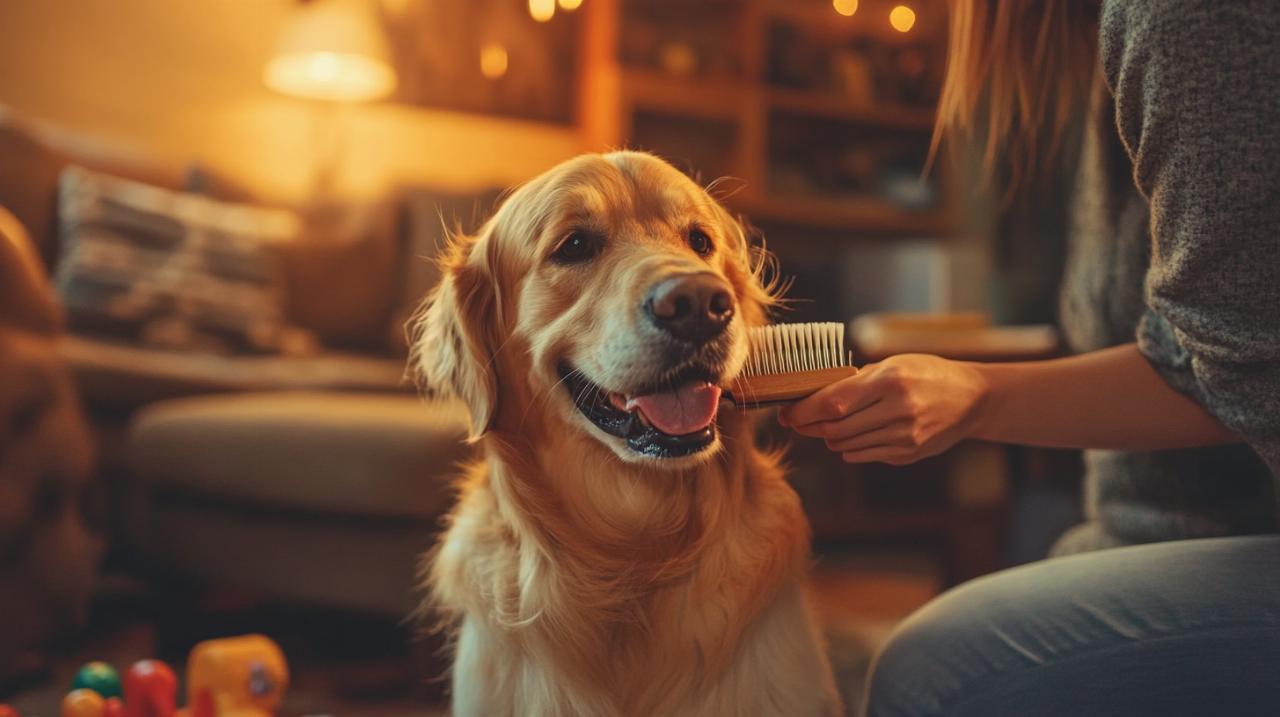
Beyond brushes and combs, certain products can significantly ease the detangling process and make the experience more pleasant for both you and your dog. Detangling spray or conditioner should be considered an essential component of your grooming kit, as these formulations help loosen stubborn knots and reduce friction during brushing. For those preferring natural remedies, coconut oil or olive oil can work wonders on mild matting, providing slip that allows hair to separate more easily. Cornstarch or baby powder can also assist in breaking down mats by absorbing moisture and reducing the tight bonds between tangled strands. Some owners find success creating a homemade detangler using a mixture of water, coconut oil, and aloe vera, which combines moisturising properties with natural detangling action. Blunt-tipped or curved bull-nosed scissors represent another crucial tool, though these should be used with extreme caution and only when absolutely necessary. A non-slip surface for grooming sessions helps keep your dog steady and secure, whilst a generous supply of treats ensures the experience remains positive and stress-free.
Step-by-Step Techniques for Safely Removing Mats from Sensitive Areas
Gentle Methods for Tackling Matted Fur Around Ears and Paws
The key to successful mat removal lies in patience, gentleness, and proper technique rather than force or speed. Begin by creating a calm environment where your dog feels relaxed and secure, perhaps choosing a time when they are naturally more settled. Apply your chosen detangling product generously to the affected area and allow it to penetrate the mat for several minutes before attempting any manipulation. When you do begin working on the tangle, always hold the fur firmly near the skin to prevent painful pulling on the follicles. Start brushing from the very outside edge of the mat, gradually working your way inward using short, gentle strokes. Never attempt to remove mats from wet fur, as moisture causes the knots to tighten and become even more difficult to separate. For mats in particularly sensitive areas such as behind the ears or between the paw pads, extra care is essential. Use your fingers to gently separate as much of the tangle as possible before introducing any tools. If you must use scissors, always cut parallel to the skin rather than perpendicular to it, and consider placing a comb between the mat and your dog's skin as a protective barrier. Snip into the mat gradually in small sections rather than attempting to remove the entire clump in one cut, which can leave noticeable bald patches.
When to Seek Professional Grooming Help for Stubborn Mats
Despite your best efforts and intentions, some situations warrant professional intervention from a qualified groomer or veterinarian. If you encounter mats that are thick, widespread across large areas of the body, or situated extremely close to the skin, attempting home removal may cause unnecessary pain or injury. Similarly, if your dog shows signs of significant discomfort, exhibits aggressive behaviour during grooming attempts, or if you suspect the matted fur may be concealing skin problems or wounds, professional assessment becomes essential. Mobile grooming services offer convenient solutions for pets who experience anxiety during car journeys or in unfamiliar environments. Regular professional grooming appointments, supplemented by consistent home maintenance between visits, provide the most comprehensive approach to coat care. Professional groomers possess the experience, specialised tools, and handling skills necessary to address severe matting safely whilst minimising stress for your pet. They can also provide personalised advice regarding the specific needs of your dog's coat type and recommend an appropriate grooming schedule. Remember that prevention through regular brushing, keeping your dog clean and dry, and maintaining a consistent routine remains far easier and less traumatic than dealing with severe matting once it has developed. By combining proper tools, effective techniques, and professional support when needed, you can ensure your dog's coat remains healthy, comfortable, and free from painful tangles.
 How to take care of a puppy?
 Creating a Spa Veranda: Material Selection and Relaxation Planning
 Brilliant Illumination and Space: Why the Exo Terra Terrarium 90x45x90 Remains the Ideal Choice for Your Reptile Enthusiast
 Eco-friendly cleaning with steam cleaners: A detailed comparison for chemical-free solutions