
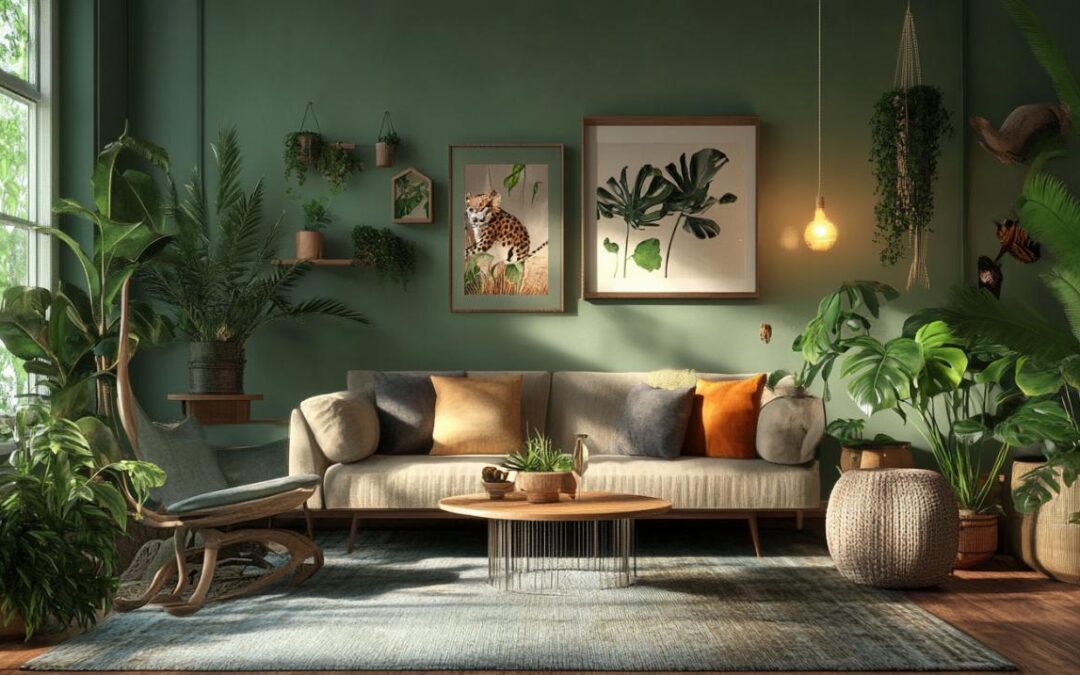
Transforming your living space into a haven that reflects both aesthetic appeal and an intuitive understanding of how creatures naturally interact with their environment offers a refreshing approach to modern home styling. By weaving together the soothing qualities of sage green, the vibrant presence of indoor plants, and subtle insights drawn from observing the natural world, you can craft interiors that feel both comforting and alive. This method not only enhances visual charm but also nurtures a deeper connection with the organic rhythms that govern well-being and spatial harmony.
Creating a Calming Sanctuary with Sage Green Tones
Sage green has emerged as a beloved shade in contemporary interior design, celebrated for its ability to evoke the tranquillity of verdant landscapes and the gentle whisper of nature. This hue sits comfortably between cool and warm tones, making it remarkably versatile for a variety of decorating schemes. Its understated elegance brings a sense of balance and composure to any room, encouraging relaxation and mental clarity. When integrated thoughtfully, sage green can transform a bustling household into a serene retreat, reminiscent of quiet forest clearings or sunlit meadows.
Understanding the Psychology Behind Sage Green in Living Spaces
The psychology of colour reveals that sage green promotes feelings of calm and renewal, qualities that are essential in creating a restorative home environment. This particular shade draws inspiration from the muted greens found in natural foliage, which have been shown to reduce stress and foster a sense of grounding. By surrounding yourself with this tone, you invite a gentle, organic energy into your daily life, one that mirrors the quietude often observed in natural animal habitats. Creatures in the wild gravitate towards environments that offer safety and comfort, and similarly, sage green walls or furnishings can instil a similar sense of sanctuary within your own four walls. The colour’s inherent softness also makes it an ideal backdrop for layering textures and introducing botanical elements, further reinforcing the connection between interior décor and the natural world.
Practical applications of sage green across different rooms
Applying sage green across various spaces in your home allows you to explore its multifaceted character. In a living room, consider painting an accent wall in this shade to create a focal point that draws the eye without overwhelming the senses. Pairing sage green with natural materials such as timber furniture and woven textiles enhances the earthy vibe, while soft lighting adds warmth and depth. In bedrooms, sage green can be introduced through bed linens, curtains, or even a feature headboard, promoting restful sleep and a peaceful atmosphere. Kitchens benefit from sage cabinetry or tiled backsplashes, which bring a touch of countryside charm to the heart of the home. Even bathrooms, often overlooked in decorating schemes, can be transformed into spa-like sanctuaries with sage towels, painted woodwork, or subtle wallpaper patterns. By weaving this colour throughout your interiors, you create a cohesive visual narrative that celebrates simplicity and natural beauty.
Integrating indoor plants to mimic natural animal habitats
Indoor plants do more than merely embellish a room; they breathe life into it, purify the air, and establish a tangible link to the outdoors. Drawing inspiration from animal behavior tips, you can position greenery in ways that replicate the layered, sheltered environments that wildlife naturally seeks. Observing how animals navigate their habitats reveals a preference for spaces with varied heights, hidden nooks, and abundant textures. Translating these principles into your home means selecting plants that offer visual interest at different levels and arranging them to create cosy, inviting corners that encourage relaxation and contemplation.
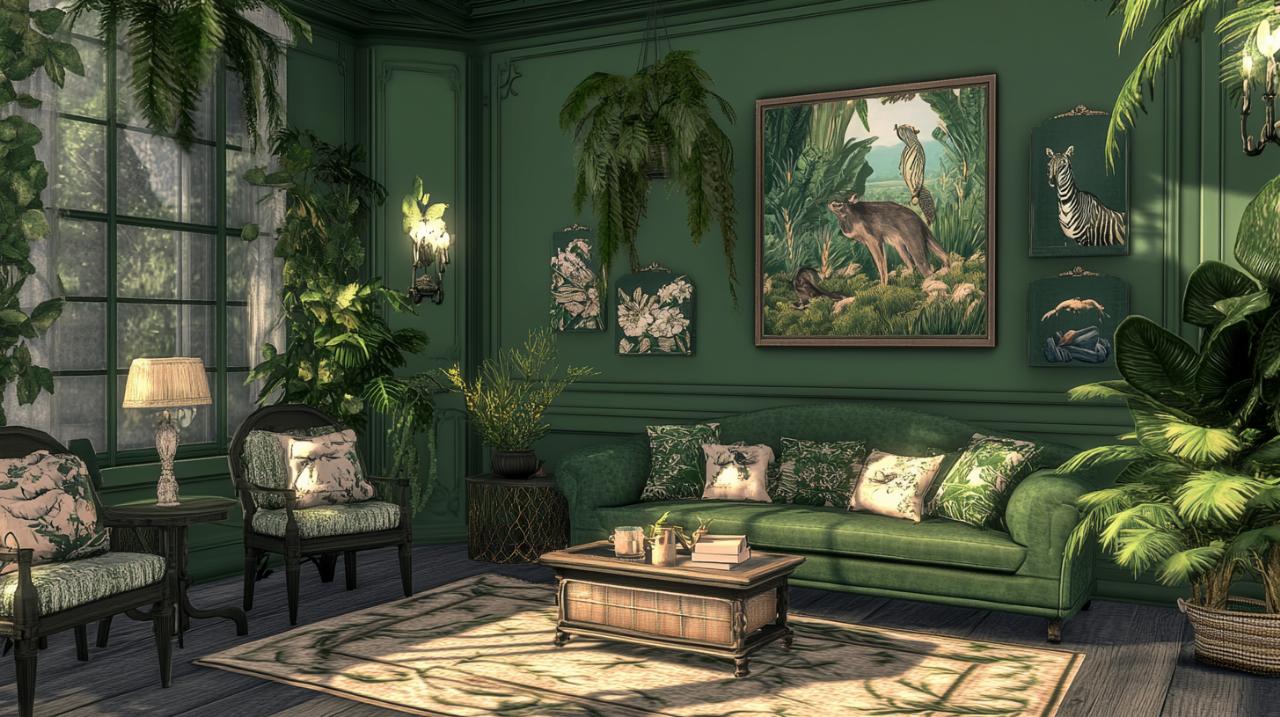
Selecting the Right Greenery for Your Interior Environment
Choosing the right indoor plants begins with understanding the specific conditions of your home, from light availability to humidity levels. Easy-care plants are an excellent starting point for those new to plant parenthood, as they require minimal fuss while still delivering maximum impact. Varieties such as pothos, snake plants, and peace lilies thrive in a range of lighting conditions and are forgiving of occasional neglect. For spaces with higher humidity, such as bathrooms, ferns and orchids flourish beautifully, adding lushness and a touch of the exotic. If you have the space, oversized plants like fiddle-leaf figs or rubber plants can serve as striking focal points, anchoring a room with their bold presence. Visiting a garden centre allows you to seek expert advice tailored to your specific needs, ensuring that your selections will thrive in your unique environment. Mixing and matching different plant types introduces a delightful variety of shapes, textures, and shades of green, mirroring the diversity found in natural ecosystems.
Positioning Plants to Enhance Spatial Comfort and Well-being
The placement of plants within your home can dramatically influence the atmosphere and functionality of each room. Dark corners, often overlooked, can be revitalised with strategically placed greenery, transforming neglected nooks into charming vignettes. Elevating plants on stylish stands not only adds height and dimension but also allows you to layer different species, creating a cascading effect that draws the eye upward and makes ceilings feel loftier. Grouping plants together in clusters mimics the way vegetation naturally grows in the wild, fostering a sense of abundance and vitality. This approach also caters to the innate tendencies observed in animal behavior tips, where creatures prefer environments with multiple layers and hiding spots that offer both security and visual stimulation. In living areas, a well-placed collection of plants can delineate spaces without the need for physical barriers, subtly guiding movement and encouraging social interaction. Bedrooms benefit from the calming presence of leafy companions, which promote better air quality and a restful ambience. Even kitchens and dining areas can be enlivened with potted herbs and trailing vines, blending practicality with beauty. By thoughtfully positioning your botanical selections, you craft an interior landscape that feels organic, dynamic, and deeply connected to the rhythms of nature.
Embracing biophilic design principles, which emphasise the human need for connection with the natural world, further enriches your decorating journey. This philosophy encourages the incorporation of natural materials, ample natural light, and, of course, greenery, all of which contribute to enhanced well-being and mood. The interplay between sage green tones and lush indoor plants creates a harmonious palette that soothes the senses and nurtures the soul. Textural contrast plays a vital role as well; the smooth finish of sage-painted walls juxtaposed with the rough bark of a potted tree or the delicate fronds of a fern adds depth and intrigue to your interiors. Homeware such as cushions, fabrics, and wallpapers in complementary hues can tie the scheme together, while carefully chosen lighting fixtures highlight key features and create inviting pools of warmth. Whether you favour the understated elegance of minimalist design or the layered richness of maximalist décor, the combination of sage green and indoor plants offers endless possibilities for personalisation and creative expression.
As you embark on this decorating adventure, remember that the goal is to create spaces that resonate with your lifestyle and reflect your unique personality. Drawing on insights from how animals instinctively seek environments that support their well-being, you can craft interiors that feel intuitively right, offering comfort, security, and inspiration. The gentle allure of sage green, paired with the vibrant energy of houseplants, invites you to slow down, breathe deeply, and savour the simple pleasures of a thoughtfully designed home. Whether you are refreshing a single room or reimagining your entire residence, these ideas provide a foundation for creating interiors that are as nurturing as they are beautiful.
 How to take care of a puppy?
 Creating a Spa Veranda: Material Selection and Relaxation Planning
 Brilliant Illumination and Space: Why the Exo Terra Terrarium 90x45x90 Remains the Ideal Choice for Your Reptile Enthusiast
 Eco-friendly cleaning with steam cleaners: A detailed comparison for chemical-free solutions
 How Do I Remove My Dog’s Hair Mats Safely? Targeted Brush and Detangling Methods for Sensitive Spots