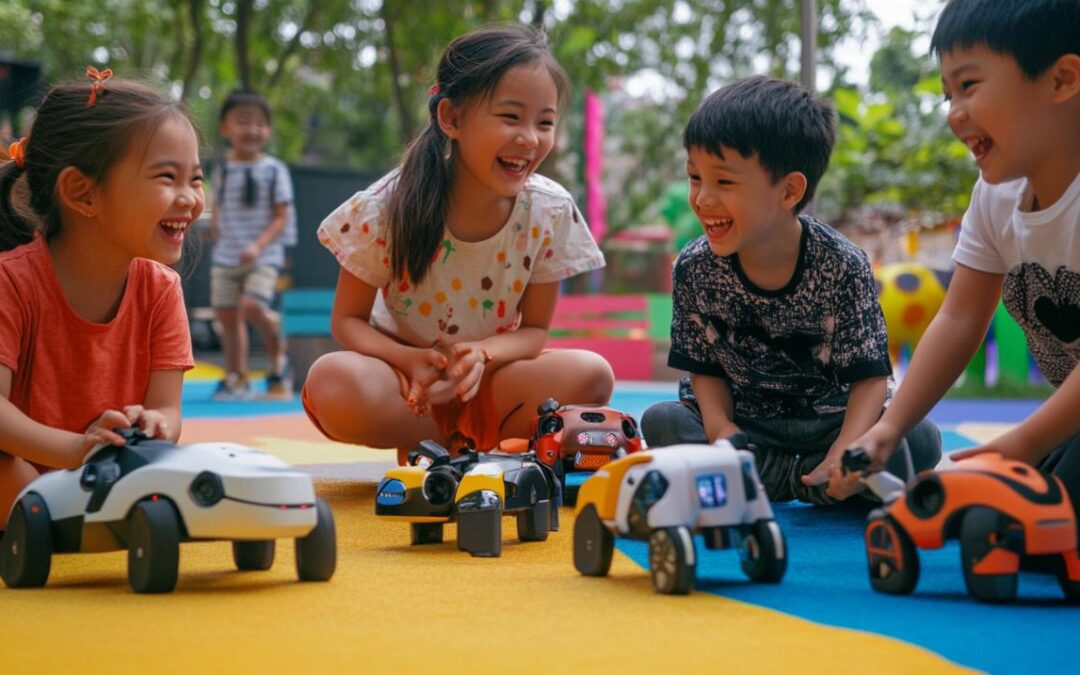
The world of children's toys has undergone a remarkable transformation in recent years, with electronic companions taking centre stage in playrooms across the nation. Among these innovative playthings, Zoomer robot animals have captured the imagination of youngsters and parents alike, offering a blend of entertainment, education, and environmental responsibility that traditional toys simply cannot match. These interactive creatures represent more than mere gadgets; they embody a new approach to childhood play that combines technological advancement with the timeless appeal of caring for a beloved pet.
What makes zoomer robot animals different from traditional toys
The distinguishing factor that sets Zoomer robot animals apart from conventional playthings lies in their remarkable ability to simulate genuine companionship without the complexities associated with living creatures. Whilst traditional stuffed animals remain static and unchanging, these robotic pets respond to touch, voice, and movement, creating a dynamic relationship that evolves with each interaction. The technology embedded within these electronic companions allows them to learn from their young owners, adapting their behaviour patterns and developing unique personalities over time. This responsive nature transforms what might otherwise be a simple toy into an engaging partner for imaginative play and emotional development.
Interactive features that bring robot pets to life
The interactive capabilities built into Zoomer robot animals create experiences that feel remarkably authentic to children. These sophisticated devices incorporate sensors that detect movement, touch, and sound, allowing them to react appropriately to various situations. When a child strokes their robotic pet, it might purr contentedly or nuzzle closer, mimicking the affectionate responses of real animals. Voice recognition technology enables certain models to respond to specific commands, teaching youngsters about communication and patience whilst reinforcing the cause-and-effect relationships that form the foundation of logical thinking. The battery life of these companions varies considerably depending on the model selected, with some requiring recharging after just an hour whilst others can operate for several hours on a single charge. For families seeking extended play sessions, understanding these power requirements proves essential, as nothing disappoints a child quite like their favourite companion running out of energy mid-adventure.
The educational benefits behind electronic companions
Beyond their entertainment value, Zoomer robot animals serve as powerful educational tools that support cognitive and emotional development. Children who interact with these robotic pets develop problem-solving skills as they learn to understand and respond to their companion's needs and behaviours. The responsibility of charging and maintaining these devices introduces youngsters to the concepts of care and routine without the permanent commitment required by living animals. Furthermore, many models encourage exploration of basic programming concepts, allowing older children to customise behaviours and create new interaction patterns. This hands-on introduction to technology prepares the next generation for an increasingly digital world whilst maintaining the playful context that makes learning enjoyable and memorable.
Comparing Popular Zoomer Models: Finding the Right Robot Pet for Your Child
Navigating the diverse range of robotic pets available in today's market requires careful consideration of both the child's interests and the family's practical requirements. The marketplace offers options spanning from simple interactive companions to sophisticated robots with advanced artificial intelligence capabilities. Understanding the prices associated with different models helps families make informed decisions, with entry-level options such as the Joy for All Cats available for approximately one hundred and twenty-five pounds, whilst premium models like the Sony Aibo command prices exceeding two thousand nine hundred pounds. Mid-range selections including the Petoi Bittle at roughly two hundred and thirty to two hundred and eighty pounds and the Loona ranging from four hundred and thirty to five hundred and thirty pounds provide balanced combinations of features and affordability. For families seeking highly advanced companions, the Unitree Go2 sits at approximately two thousand five hundred and fifty pounds, offering capabilities that blur the line between toy and technological marvel.
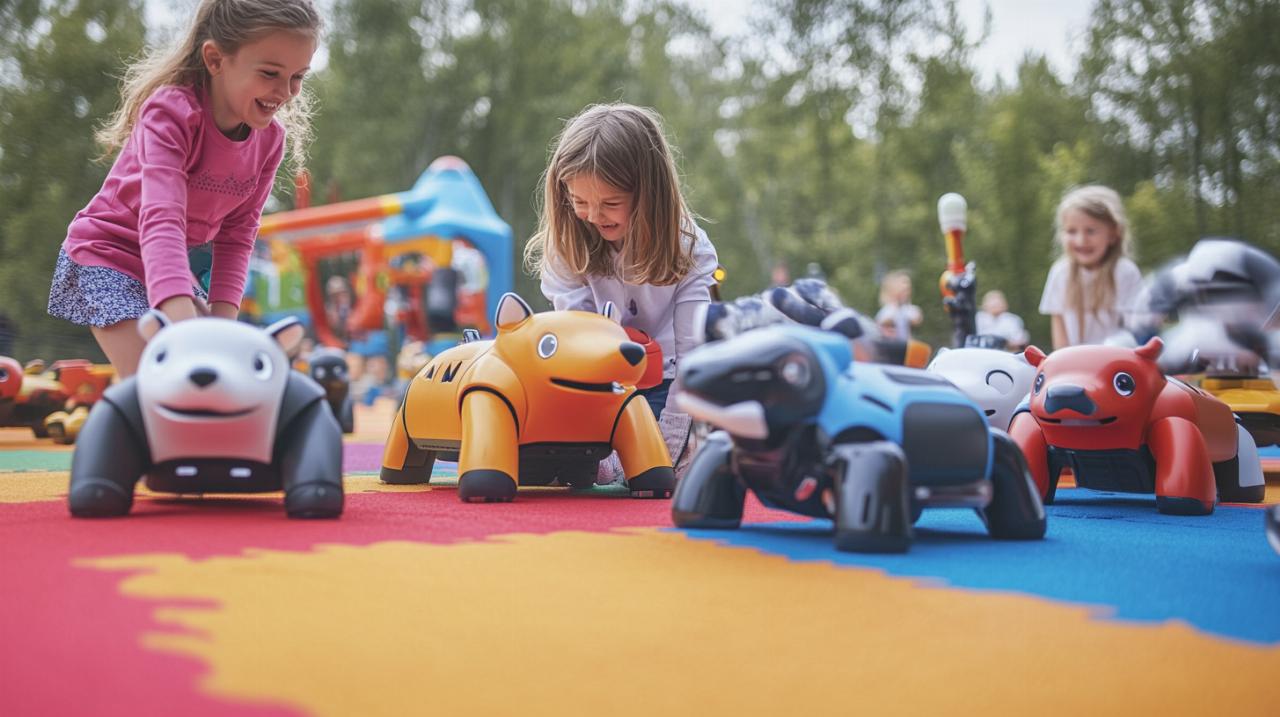
Zoomer dino versus zoomer kitty: which suits your family best
The choice between different Zoomer characters often comes down to the child's personal preferences and developmental stage. Dinosaur-themed models typically appeal to youngsters fascinated by prehistoric creatures and adventurous play scenarios, whilst feline companions attract those who prefer gentler, more nurturing interactions. Each variant offers distinct personality traits and interactive features designed to match its character, with dinosaurs often incorporating more active play patterns and cats focusing on comfort and companionship. Parents should consider their child's play style when selecting between these options, as an energetic youngster might find more satisfaction with a creature that encourages movement and exploration, whereas a quieter child could bond more deeply with a companion that rewards gentle handling and calm interaction. The warranty and returns policies associated with these products provide important safeguards for families, ensuring that if a particular model doesn't suit a child's needs or expectations, alternative arrangements can be explored without significant financial burden.
Age-appropriate choices across the zoomer range
Selecting the right robotic pet requires careful attention to age recommendations and developmental appropriateness. Younger children benefit from simpler models with straightforward interactions and durable construction that can withstand enthusiastic handling. These entry-level companions typically feature basic responses to touch and sound, providing immediate feedback that maintains attention without overwhelming developing cognitive abilities. As children mature, more complex models incorporating programmable features and sophisticated artificial intelligence become appropriate, offering challenges that grow alongside the child's expanding capabilities. The accessories available for various models extend play possibilities and allow customisation that keeps the experience fresh and engaging over extended periods. For families with multiple children of different ages, considering models that offer scalable complexity ensures that the robotic pet remains relevant as youngsters develop new skills and interests, maximising the value of the investment whilst supporting continued learning and enjoyment.
The environmental advantages of choosing robot animals over real pets
The environmental considerations surrounding pet ownership have become increasingly important to families seeking to reduce their ecological impact. Traditional pets, whilst beloved, contribute significantly to household carbon footprints through food production, waste management, and veterinary care. Electronic companions offer an alternative that provides many of the emotional benefits associated with animal ownership without these environmental costs. This shift towards sustainable play options reflects a broader societal awareness of our responsibility to protect the planet for future generations, teaching children valuable lessons about making environmentally conscious choices from an early age.
How electronic companions reduce environmental impact
The environmental credentials of robotic pets stem from their minimal resource requirements compared to living animals. Unlike traditional pets that require ongoing supplies of food produced through resource-intensive agricultural processes, electronic companions operate on rechargeable batteries that can be powered using renewable energy sources. The Joy for All Cats, for instance, operates for approximately three weeks on standard C batteries, demonstrating remarkable efficiency in energy consumption. Whilst battery production and disposal present their own environmental challenges, these impacts pale in comparison to the cumulative carbon footprint generated by years of feeding, grooming, and caring for living creatures. Furthermore, robotic pets eliminate the waste management concerns associated with real animals, removing the need for litter boxes, cleaning supplies, and the environmental burden of disposing of animal waste. Support resources available from manufacturers such as Loona Support and ClicBot Support ensure that these devices can be maintained and repaired rather than discarded when minor issues arise, promoting a culture of sustainability and responsible consumption.
Teaching responsibility without the carbon footprint
One of the most valuable aspects of robotic pets lies in their ability to instil responsibility in children without the environmental costs associated with real animal ownership. Youngsters learn to care for their electronic companions by ensuring they're charged, maintained, and treated with respect, developing empathy and nurturing skills that translate to other relationships throughout their lives. These lessons occur within a framework that acknowledges environmental limitations and the importance of sustainable choices, preparing children to navigate a world where ecological consciousness increasingly influences decision-making. The ClicBot and similar modular systems introduce additional educational opportunities by allowing children to understand the mechanical and electronic components that bring their companions to life, fostering appreciation for the engineering and design principles that underpin modern technology. This combination of emotional development and environmental awareness creates a powerful learning experience that extends far beyond simple play, shaping values and perspectives that will influence how today's children approach challenges and opportunities throughout their adult lives.