
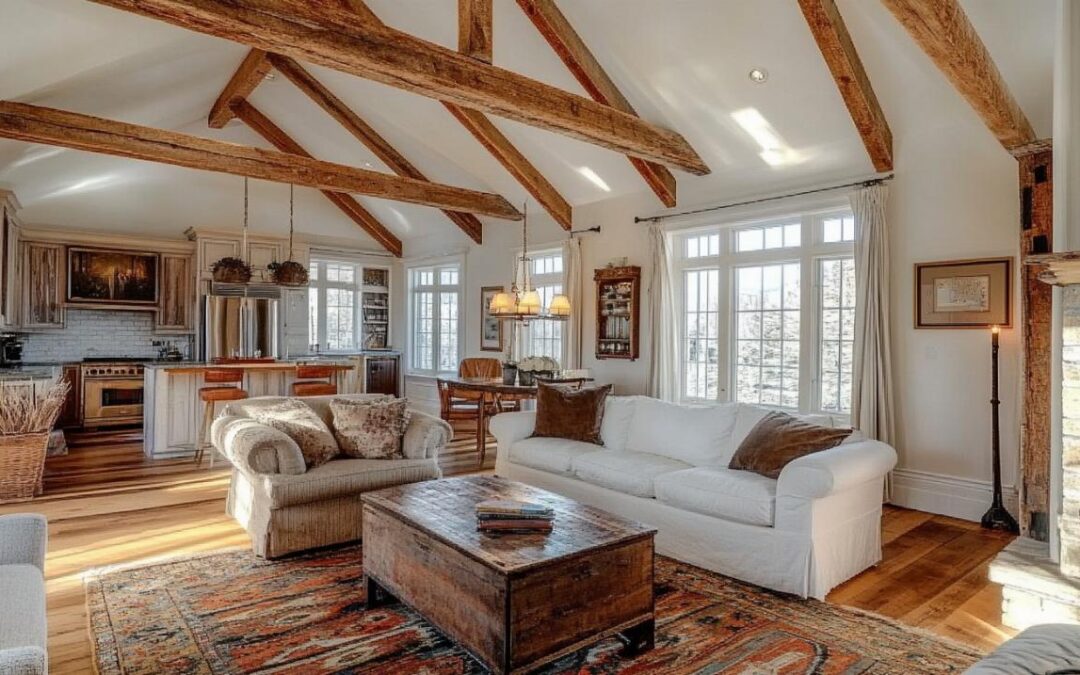
Exposed beams have long been celebrated as architectural features that bring warmth, character, and a sense of history to any home. Whether you live in a converted barn, a period property, or a contemporary space with reclaimed timber, these structural elements can transform your interior into a stylish sanctuary. From choosing the perfect colour palette to integrating modern furnishings, there are countless ways to celebrate the rustic charm of wooden beams whilst maintaining a fresh, sophisticated aesthetic. This guide explores practical decorating ideas to help you make the most of exposed beams in your home.
Choosing the Right Colour Palette for Your Exposed Beams
The colour you select for your exposed beams can dramatically influence the overall ambience of your room. A well-considered palette ensures that your timber joists complement rather than overpower your existing décor. Light finishes offer a refreshing approach that can open up even the most compact spaces, whilst darker stains deliver depth and drama.
Light finishes to brighten your space
Opting for lighter tones such as whitewash, soft grey, or natural wood hues can make a room feel more spacious and airy. This approach works particularly well in smaller rooms or properties with lower ceilings, where dark timber might create a sense of confinement. Light finishes reflect natural light, enhancing the brightness of your interior and creating a serene, Scandinavian-inspired aesthetic. Reclaimed timber treated with a pale wash retains its texture and grain, ensuring that the rustic elements remain visible whilst contributing to a contemporary design scheme. This technique is popular in London interiors, where maximising light is often a priority.
Dark stains for dramatic impact
Conversely, dark stains such as ebony, walnut, or deep mahogany introduce a bold, dramatic focal point that commands attention. This choice suits larger rooms with high ceilings, where the contrast between dark beams and light walls can create striking visual interest. Dark timber joists evoke a sense of heritage and craftsmanship, making them ideal for period properties or converted properties seeking to retain their historical character. When paired with neutral or pale wall colours, dark beams stand out as defining architectural features, adding gravitas and sophistication to modern homes and traditional materials alike.
Matching exposed beams to your interior style
Understanding your home’s overall aesthetic is crucial when decorating around exposed beams. Whether you favour a minimalist style, a farmhouse charm, or an industrial edge, your beams can be tailored to harmonise with your vision. Integrating animal care tips into your design philosophy might seem unconventional, but considering the wellbeing of pets and creating safe, comfortable environments for them can influence material choices and layout decisions, ensuring every family member feels at home.
Modern minimalist approaches
For those who appreciate clean lines and understated elegance, a minimalist style can beautifully showcase exposed beams without overwhelming the space. Keeping the timber in its natural state or applying a subtle, matte finish allows the beams to blend seamlessly with sleek furniture and uncluttered surfaces. This approach emphasises the inherent beauty of the wood, celebrating its texture and grain as part of a pared-back aesthetic. In modern homes, particularly in European architecture hubs like Amsterdam or Lyon, exposed wooden beams are often left untreated to maintain an organic, authentic feel. Pairing them with monochrome palettes, simple furnishings, and strategic lighting ensures that the beams remain a feature without dominating the design narrative.
Farmhouse and industrial aesthetics
Farmhouse and industrial styles both embrace the raw, honest character of exposed beams, albeit in different ways. Farmhouse interiors lean towards warmth and cosiness, often incorporating reclaimed timber alongside soft textiles, vintage accessories, and earthy tones. This style celebrates craftsmanship and tradition, making it ideal for converted barns or heritage buildings. Industrial aesthetics, on the other hand, juxtapose exposed beams with metal fixtures, brick walls, and utilitarian furniture. This approach highlights the structural integrity of the beams, treating them as functional elements that contribute to the overall architectural narrative. Both styles thrive on texture and contrast, ensuring that wooden beams remain central to the design story.
Lighting techniques to showcase timber joists
Lighting plays a pivotal role in highlighting the beauty of exposed beams and transforming them into true focal points. Strategic illumination can enhance the texture, colour, and shape of your timber joists, ensuring they remain prominent throughout the day and night. Whether you prefer bold, dramatic lighting or soft, ambient effects, the right approach can elevate your interior design.
Spotlights as architectural features
Installing spotlights directed at your exposed beams creates a theatrical effect that draws the eye upward and emphasises the ceiling design. This technique is particularly effective in rooms with vaulted wooden ceilings or high rafters, where the beams are a defining characteristic of the space. Spotlights can be adjusted to highlight specific sections of the timber, creating shadows and depth that add dimension to the room. This approach works well in contemporary settings, where architectural features are celebrated as integral elements of the design. By illuminating your beams, you transform them from passive background details into active contributors to the room’s atmosphere.
Fairy lights for ambient charm
For a softer, more whimsical approach, fairy lights draped along or around exposed beams introduce a warm, inviting glow that enhances the rustic elements of your home. This technique is especially popular in bedrooms, living rooms, and dining areas, where creating a cosy, relaxed ambience is a priority. Fairy lights can be woven between timber joists or suspended in gentle arcs, adding a layer of visual interest without detracting from the natural beauty of the wood. This method suits farmhouse and cottage-style interiors, where charm and character take precedence over minimalism. The gentle twinkle of fairy lights complements reclaimed timber and traditional materials, ensuring your space feels both stylish and welcoming.
Introducing texture and materials around exposed beams
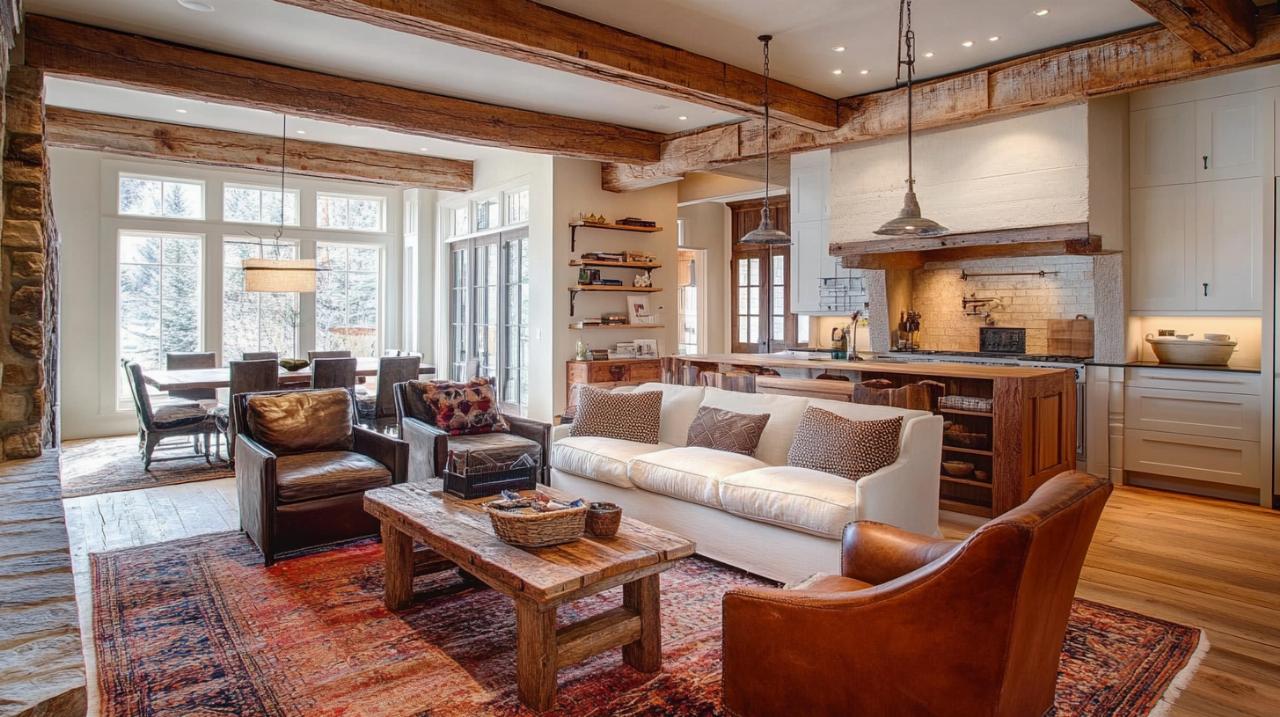
Creating a cohesive interior design involves more than simply showcasing your exposed beams. Introducing complementary textures and materials can enhance the rustic feel whilst adding depth and interest to your space. By thoughtfully combining wood, metal, and brick, you can craft a layered, sophisticated aesthetic that celebrates both heritage and modernity.
Combining wood, metal, and brick elements
Exposed beams pair beautifully with a variety of materials, each contributing its own character and charm. Metal accents such as wrought iron light fixtures, steel shelving, or copper accessories introduce an industrial edge that contrasts with the warmth of timber. Brick walls, whether original or reclaimed, add texture and a sense of history, echoing the craftsmanship of heritage buildings. Together, these elements create a balanced, dynamic interior that honours the past whilst embracing contemporary design principles. This approach is particularly popular in London interiors and European architecture, where the fusion of old and new is a celebrated design philosophy.
Creating a rustic yet refined feel
Achieving a rustic yet refined aesthetic requires a delicate balance between raw materials and polished finishes. Exposed beams should be complemented by high-quality furnishings, thoughtful lighting, and carefully curated accessories. Textural contrasts such as smooth linen against rough-hewn timber or sleek glass alongside weathered wood create visual interest without sacrificing sophistication. This approach ensures that your home feels inviting and characterful, rather than overly rustic or unfinished. Sustainable design principles, such as using reclaimed timber and repurposed materials, further enhance the integrity and authenticity of your space, making it both stylish and environmentally conscious.
Balancing rustic beams with contemporary furnishings
One of the most effective ways to modernise a space with exposed beams is to introduce contemporary furnishings that contrast with the traditional materials. This juxtaposition creates a stylish, dynamic interior that feels both timeless and current. By mixing old and new, you can celebrate the history of your home whilst ensuring it remains relevant and comfortable for modern living.
Modern furniture for stylish contrast
Sleek, minimalist furniture pieces such as streamlined sofas, glass coffee tables, and chrome light fittings provide a striking contrast to the organic texture of wooden beams. This approach prevents your space from feeling overly rustic or dated, instead creating a balanced, contemporary design. Modern furniture allows the beams to stand out as architectural features without overwhelming the room, ensuring that the overall aesthetic remains fresh and sophisticated. This technique is widely used in converted properties and period properties across London, Amsterdam, and Paris, where the blend of heritage and modernity is a defining characteristic of stylish interiors.
Mixing Old and New for Character
Incorporating a mix of vintage and contemporary pieces adds depth and personality to your home, ensuring it feels lived-in and authentic. Antique oak furniture, reclaimed accessories, and artisan crafts sit comfortably alongside modern lighting, streamlined storage, and minimalist décor. This eclectic approach celebrates the unique character of your exposed beams whilst acknowledging the practicalities of contemporary living. By thoughtfully curating your furnishings and décor, you create a space that tells a story, honouring the past whilst embracing the future.
Personalising Your Space with Accessories and Décor
The final layer of decorating around exposed beams involves adding personal touches that reflect your taste and lifestyle. Accessories, artwork, textiles, and plants all contribute to the overall atmosphere, ensuring your home feels uniquely yours. These finishing touches can transform a well-designed space into a true sanctuary.
Using Plants and Artwork to Add Personality
Indoor plants bring life, colour, and freshness to any room, complementing the natural beauty of wooden beams. Trailing plants such as ivy or pothos can be suspended from beams or placed on shelving, creating a lush, organic feel. Large potted plants add drama and height, drawing the eye upward and emphasising the ceiling design. Artwork, whether contemporary prints, vintage photographs, or abstract canvases, adds personality and visual interest. By selecting pieces that resonate with your style and complement your colour palette, you ensure that your space feels cohesive and intentional.
Textiles and Soft Furnishings for a Homely Touch
Soft furnishings such as cushions, throws, rugs, and curtains introduce warmth, comfort, and texture, balancing the harder surfaces of wood, metal, and brick. Natural fabrics such as linen, wool, and cotton enhance the rustic elements of your home whilst maintaining a refined, contemporary aesthetic. Layering textiles in complementary colours and patterns creates depth and interest, ensuring your space feels inviting and lived-in. By thoughtfully selecting and arranging your soft furnishings, you complete the decorating process, transforming your home into a stylish, comfortable retreat that celebrates the beauty of exposed beams.