

Choosing to welcome a rescue animal into your home represents far more than simply acquiring a pet. It stands as a powerful statement of compassion, a conscious decision that reverberates through the lives of countless creatures and communities. As awareness grows around ethical choices and sustainable living, more individuals are recognising that animal adoption opportunities offer a meaningful pathway to making a tangible difference. This choice not only transforms the life of a shelter animal but also challenges the systems that perpetuate suffering and environmental harm.
The Environmental and Ethical Benefits of Adopting Rescue Animals
Welcoming a companion animal from a rescue organisation carries profound ethical weight. Every year, millions of animals find themselves in shelters across the United Kingdom and beyond, facing uncertain futures marked by stress, isolation, and the very real threat of euthanasia. By opting to adopt rather than purchase from commercial breeders or pet shops, animal lovers directly reduce the demand for operations that often prioritise profit over animal welfare. This decision supports a shift towards humane treatment and acknowledges the sentience of these creatures, recognising that they experience emotions, fear, and joy in ways that demand our respect and care.
Reducing your carbon pawprint through adoption
The environmental impact of our choices extends to the animals we bring into our lives. The breeding industry, particularly large-scale commercial operations, contributes to a range of ecological problems including deforestation, water pollution, and climate change. These operations often require significant resources and generate waste that harms marine ecosystems and local environments. By choosing animal adoption opportunities, individuals take a stand against these destructive practices. Adopting a shelter animal means no additional resources are consumed in breeding, and it helps alleviate the burden on rescue organisations that work tirelessly to provide care and shelter. This choice aligns seamlessly with a broader commitment to sustainable alternatives and cruelty-free living, demonstrating that compassion for animals and care for the planet are inseparable.
Breaking the Cycle of Puppy Farms and Unethical Breeding
The reality of puppy farms and unethical breeding operations is a grim one. These facilities often prioritise quantity over quality of life, subjecting animals to inhumane conditions, inadequate veterinary care, and relentless cycles of reproduction. The suffering endured by breeding animals in these environments is immense, and the offspring often face health and behavioural challenges as a result. By choosing to adopt from rescue organisations and animal sanctuaries, prospective pet owners refuse to support these exploitative systems. This decision actively contributes to breaking the cycle of cruelty, reducing the profitability of operations that treat animals as mere commodities. Adoption also promotes responsible pet ownership, as rescue centres typically ensure that animals are spayed or neutered, vaccinated, and microchipped before they are rehomed, contributing to a healthier and more manageable companion animal population.
Finding your perfect companion: navigating animal adoption services
Embarking on the journey to adopt a rescue animal can feel both exciting and daunting. Understanding what to expect and how to match your lifestyle with the right companion animal is essential for ensuring a successful and lasting relationship. Rescue organisations across the United Kingdom offer a wealth of support and guidance, helping prospective adopters navigate the process with confidence and care.
What to expect when visiting animal rescue centres
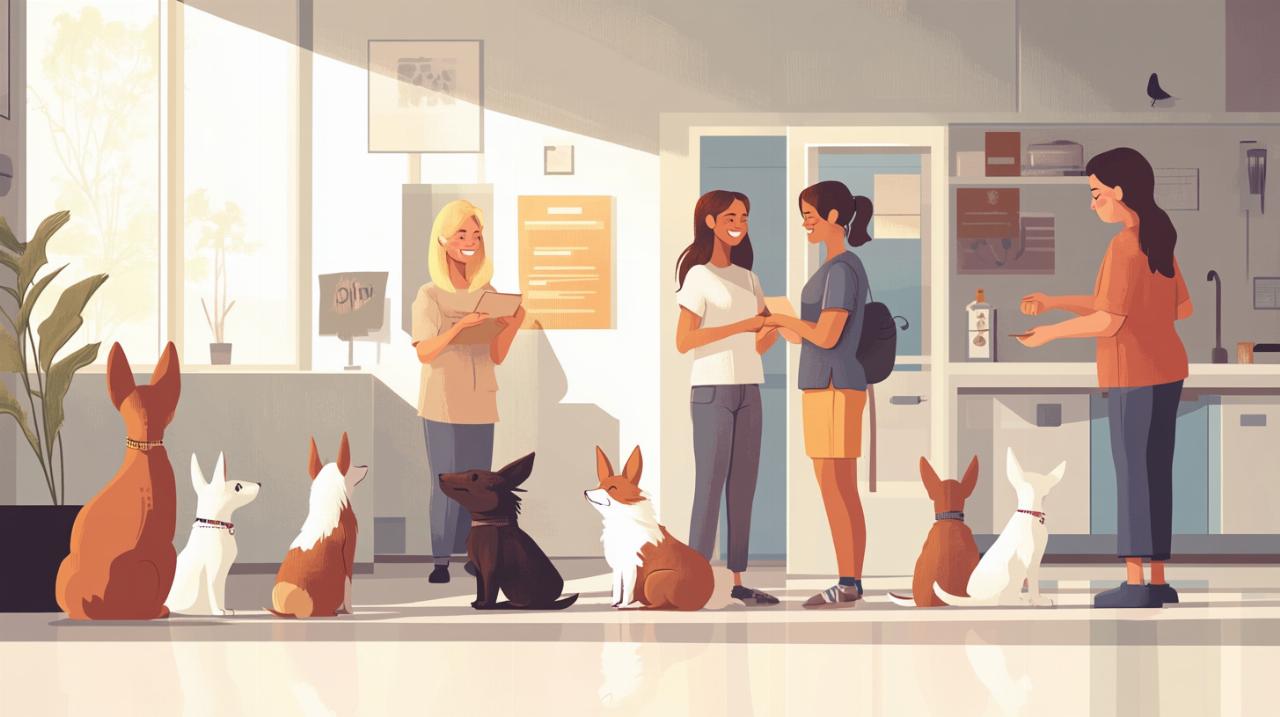
Walking through the doors of an animal rescue centre is an experience that often leaves a lasting impression. The sounds, the energy, and the sight of so many animals awaiting their chance at a loving home can be overwhelming. Staff and volunteers at these centres are dedicated to the welfare of the animals in their care, and they work diligently to match each creature with a suitable family. Visitors can expect to complete an application process, engage in conversations about their living situation, activity levels, and experience with companion animals. This thorough approach ensures that both the animal and the adopter are set up for success. Many centres also offer opportunities for potential adopters to spend time with animals, observing their behaviour and personality in a more relaxed setting. This time together is invaluable, allowing for a genuine connection to form and helping to ensure that the match is a good one.
Matching Your Lifestyle with the Right Rescue Pet
Finding the right companion animal is about more than falling in love with a pair of soulful eyes or a wagging tail. It requires honest reflection on one’s lifestyle, living arrangements, and capacity for care. Different animals have different needs, and understanding these needs is crucial for fostering a harmonious relationship. For those with active lifestyles, a dog that enjoys long walks and outdoor adventures may be an ideal match. Conversely, individuals with quieter routines or smaller living spaces might find companionship with a cat or a smaller animal. Rescue organisations provide detailed information about each animal’s temperament, history, and any special requirements, empowering adopters to make informed decisions. This careful matching process not only enhances the quality of life for the adopted animal but also supports caregiver retention, as adopters who feel confident and well-prepared are more likely to provide stable, long-term homes. Research has shown that fostered animals, particularly dogs, are significantly more likely to be adopted, with some studies indicating that temporarily fostered dogs are over fourteen times more likely to find permanent homes. This highlights the value of foster care programs, which offer animals a respite from the stresses of shelter life and provide potential adopters with insights into how an animal might fit into their daily routines.
Beyond the immediate joy of companionship, adopting a rescue animal brings a wealth of emotional and social benefits. Many adopters report improved emotional wellbeing, reduced feelings of loneliness, and a greater sense of purpose. The bond formed with a rescue animal is often deeply rewarding, rooted in the knowledge that this relationship represents a second chance at life and love. For older adults, the companionship of a foster or adopted pet has been shown to alleviate loneliness and enhance overall quality of life. Veterans and other individuals facing mental health challenges have found that caring for an animal can lead to increased physical activity, improved heart health, and reduced symptoms of depression. These benefits underscore the profound impact that animals can have on human lives, and they highlight the reciprocal nature of the relationship between caregivers and their companion animals.
Community engagement and charitable donations play a vital role in sustaining rescue organisations and expanding their capacity to care for animals in need. Volunteering at a local shelter, fostering animals temporarily, or contributing financially all help to ensure that these vital services can continue. Educational outreach is equally important, raising awareness about the realities of animal homelessness, the importance of spaying and neutering, and the need for government legislation to protect animal welfare. The more people understand the challenges faced by shelter animals and the benefits of adoption, the more likely they are to make compassionate choices and advocate for change.
The importance of inclusivity within the animal rescue community cannot be overstated. Historically, many foster caregivers have been white, female, and from relatively privileged backgrounds. However, marginalised communities often face barriers to participation, including housing restrictions, transportation challenges, and the cost of pet care. Addressing these barriers and creating more accessible pathways to fostering and adoption is essential for building a more equitable and effective system. Shelters that engage with diverse communities, offer flexible support, and provide necessary supplies and training are better able to retain caregivers and ensure positive outcomes for animals.
The challenges faced by caregivers, including compassion fatigue and burnout, must also be acknowledged and addressed. Providing adequate support, clear communication, and opportunities for connection with other caregivers can help to sustain the emotional energy required for this important work. Retention strategies that recognise the needs of caregivers and celebrate their contributions are essential for maintaining robust foster care programs. Research has shown that secure attachment between caregivers and foster animals reduces stress and enhances the likelihood of successful outcomes, demonstrating the importance of fostering environments that support both animal and human wellbeing.
As the world continues to grapple with the impacts of the pandemic, the landscape of animal adoption and fostering has evolved. During the early months of lockdowns, many shelters experienced a surge in demand for adoptions and foster placements, with some organisations reporting increases in foster care placements and adoption requests. However, this initial wave was followed by challenges, including increased rates of pet abandonment, relinquishment, and reports of abuse and neglect. The cost of pet care has risen, and many owners are facing difficult decisions about whether they can continue to provide for their animals. This underscores the need for continued support, education, and advocacy to ensure that the gains made during the pandemic are not lost and that animals continue to receive the care and protection they deserve.
Choosing to adopt a rescue animal is an act of justice, a rejection of systems that commodify and exploit living beings, and an embrace of values rooted in kindness and respect. It is a choice that reflects a commitment to compassionate living, recognising that the welfare of animals, the health of the planet, and the wellbeing of people are all interconnected. By supporting animal adoption opportunities and advocating for stronger protections for all creatures, individuals contribute to a kinder, more just world.
 How to take care of a puppy?
 Creating a Spa Veranda: Material Selection and Relaxation Planning
 Brilliant Illumination and Space: Why the Exo Terra Terrarium 90x45x90 Remains the Ideal Choice for Your Reptile Enthusiast
 Eco-friendly cleaning with steam cleaners: A detailed comparison for chemical-free solutions
 How Do I Remove My Dog’s Hair Mats Safely? Targeted Brush and Detangling Methods for Sensitive Spots
 Interior decorating ideas to harness animal behavior tips with sage green and indoor plants