
Creating a comfortable and supportive workspace is essential for anyone who spends long hours at a desk. Whether you are working from home or in a traditional office setting, the foundation of a productive environment often begins with the chair you choose. Understanding how to select and adjust your seating can make a significant difference in reducing discomfort and preventing long-term health issues. By focusing on key elements such as support, adjustability, and proper positioning, you can transform your daily experience and maintain better physical wellbeing throughout your working day.
Selecting and setting up your ergonomic office chair
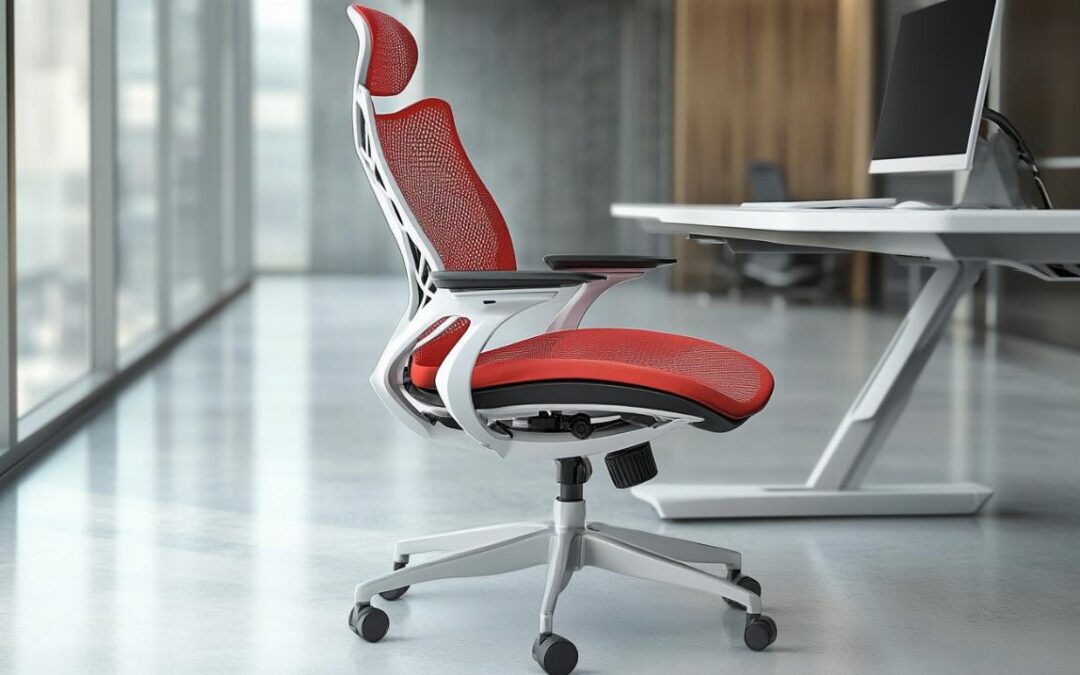
When it comes to choosing the right chair for your workspace, the emphasis should be on features that promote natural alignment and support. An ideal chair will offer adjustable components that can be tailored to your body shape and size, ensuring that you are not forced into awkward positions that strain your muscles and joints. Look for designs that include adjustable seat height, backrest angle, and armrest positions, as these elements allow you to customise your seating experience. A chair with a contoured backrest is particularly beneficial, as it follows the natural curve of your spine and helps to distribute your weight evenly, reducing pressure on any single area.
Choosing the Right Chair Features for Proper Back Support
The backrest of your chair plays a crucial role in maintaining the health of your spine. A well-designed backrest should support the natural S-shape of your back, providing firm yet comfortable support to both the upper and lower regions. Many modern chairs come with built-in lumbar support that can be adjusted to fit the curve of your lower back, which is essential for preventing discomfort during extended periods of sitting. When evaluating potential chairs, consider those that offer a slight recline function, as this can help to relieve pressure on your spine and encourage a more relaxed posture. The material of the chair also matters; breathable fabrics allow for better air circulation, reducing heat build-up and keeping you comfortable even during long stretches at your desk. By incorporating these ergonomic office chair tips into your selection process, you can ensure that your seating supports your body in the most effective way possible.
Adjusting chair height and armrest positioning
Once you have selected a chair with the right features, the next step is to adjust it to suit your individual needs. The height of your chair should allow your feet to rest flat on the floor, with your knees bent at approximately a right angle. This position ensures that your weight is evenly distributed and that there is no undue pressure on your thighs or lower back. If your feet do not reach the floor comfortably, consider using a footrest to maintain proper alignment. Armrests should be positioned so that your shoulders remain relaxed and your elbows are bent at a comfortable angle, typically around ninety degrees. Armrests that are too high can cause you to hunch your shoulders, leading to tension in your neck and upper back, while those that are too low may force you to reach, resulting in strain. Adjusting these elements may take some time and experimentation, but the effort is worthwhile for the comfort and support you will gain.
Optimising your seating position for all-day comfort
Achieving the perfect chair setup is only part of the equation; how you sit and move throughout the day is equally important. Even the most advanced chair cannot compensate for poor posture or prolonged periods of immobility. The way you position your body and the habits you develop can either enhance or undermine the benefits of your ergonomic setup. By paying attention to your posture and incorporating regular movement into your routine, you can maintain comfort and reduce the risk of developing chronic pain or other musculoskeletal issues.
Implementing lumbar support and breathable fabric solutions
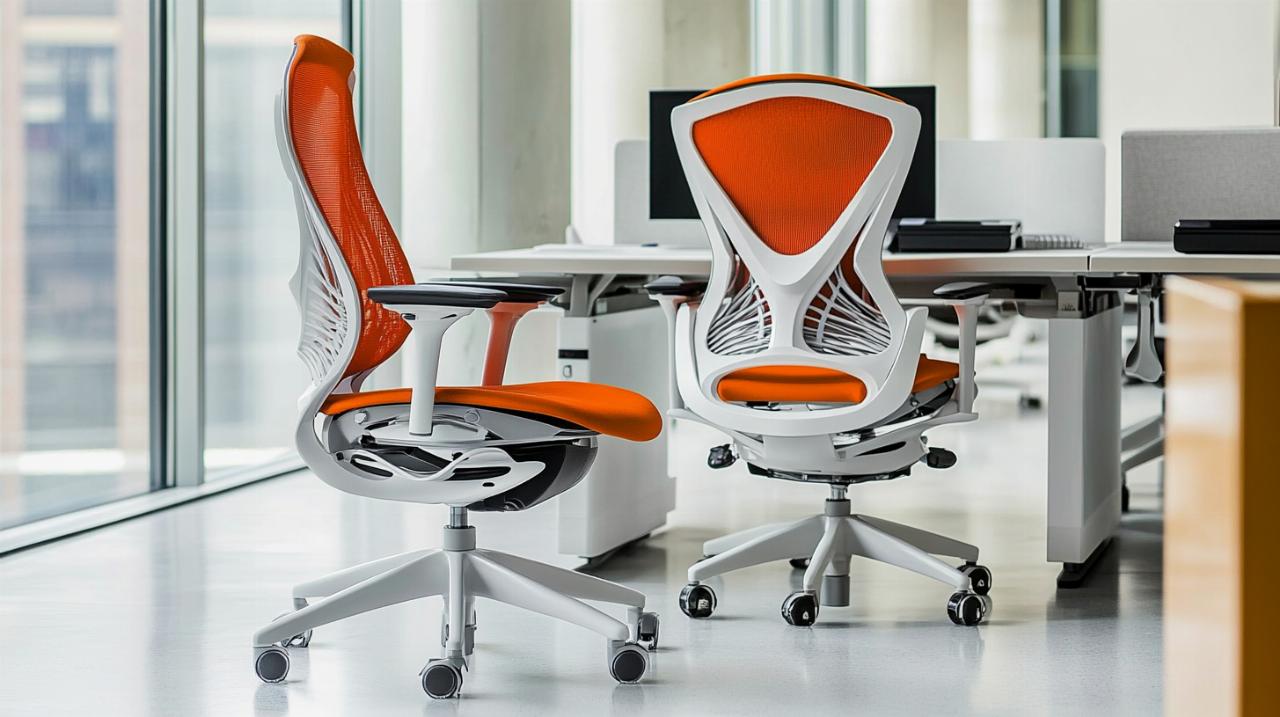
Lumbar support is a key component of any ergonomic seating arrangement. This support is designed to fill the gap between your lower back and the chair, helping to maintain the natural inward curve of your spine. Many chairs come with adjustable lumbar pads that can be moved up or down to match the contour of your back, and some even offer depth adjustments to ensure the support is neither too firm nor too subtle. Proper lumbar support can significantly reduce the strain on your lower back, especially during long periods of sitting. In addition to lumbar support, the choice of fabric for your chair can influence your overall comfort. Breathable materials, such as mesh or high-quality woven fabrics, allow air to circulate around your body, preventing the build-up of heat and moisture. This is particularly beneficial in warmer climates or during the summer months, as it helps you stay cool and comfortable throughout the day. Investing in a chair with these features can make a noticeable difference in how you feel at the end of a long workday.
Maintaining proper posture and taking regular movement breaks
While an ergonomic chair provides the foundation for good posture, it is ultimately up to you to maintain that posture throughout the day. Sit back in your chair so that your lower back is fully supported by the lumbar cushion, and keep your shoulders relaxed rather than hunched forward. Your head should be positioned so that your eyes are level with the top of your computer monitor, which is typically about an arm’s length away. This alignment helps to prevent neck strain and reduces the likelihood of developing tension headaches. It is also important to remember that no position, no matter how well supported, should be maintained for too long. The human body is designed for movement, and prolonged sitting can lead to stiffness and discomfort. Make a habit of standing up and stretching every thirty to sixty minutes, even if it is just for a minute or two. Simple movements such as rolling your shoulders, stretching your arms overhead, or taking a short walk can help to relieve tension and improve circulation. Incorporating these breaks into your routine not only benefits your physical health but can also boost your concentration and productivity. By combining the right equipment with mindful habits, you can create a workspace that supports your wellbeing and helps you stay comfortable and focused throughout the day.