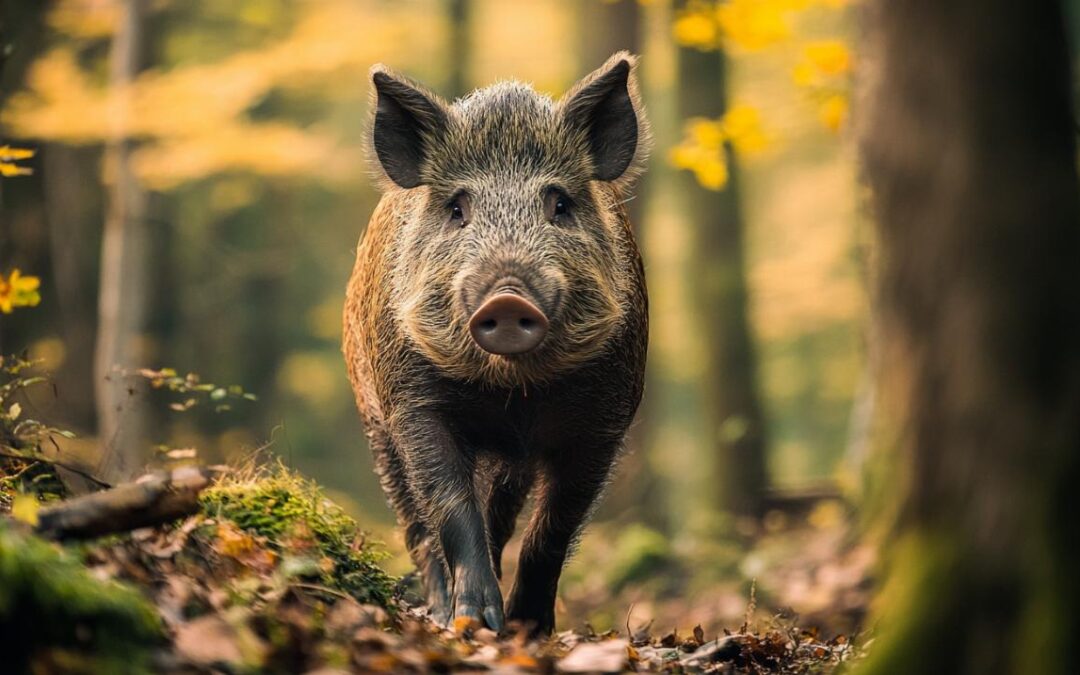
The notion of keeping a wild boar might strike one as rather unconventional, yet it continues to spark curiosity amongst those drawn to unusual domestication projects. In France, the subject is not merely a matter of personal whim or countryside folklore but a topic governed by a rather complex web of legislation. From ministerial authorisations to certificates of capacity, the journey from wild animal to quasi-domesticated companion involves navigating an intricate legal landscape. This article sets out to unravel the relevant legislation, explore the practicalities of obtaining the necessary permits, and consider how hunting traditions and conservation efforts inform this unusual endeavour.
Understanding the Legal Framework for Wild Boar Domestication in France
French law approaches the keeping of wild boars with considerable caution, reflecting both ecological concerns and public safety considerations. The legal framework is rooted in the Environmental Code, which sets out comprehensive provisions for the protection of wildlife and the regulation of activities that might impact natural habitats. Within this code, wild boars are classified as non-domestic animals, and their detention falls under stringent regulatory oversight. The rationale is straightforward: these animals possess behaviours and physical characteristics that can pose risks, not only to handlers but also to surrounding communities and ecosystems.
The Role of French Environmental Code and Ministerial Decrees (Arrêtés)
The Environmental Code operates as the backbone of wildlife regulation in France, outlining the principles that govern the conservation of biodiversity and the management of species deemed vulnerable or potentially hazardous. Within this legislative structure, ministerial decrees, known in French as arrêtés, provide detailed specifications and procedural requirements. These arrêtés are issued by government ministers and serve to clarify how broader legislative principles are to be applied in practice. For wild boars, such decrees delineate the conditions under which detention is permissible, the facilities required, and the qualifications necessary for prospective keepers. The interplay between the Environmental Code and these ministerial instruments ensures that any attempt to domesticate or keep a wild boar is subject to rigorous scrutiny and consistent standards across the nation.
Ministerial Authorisations and the Status of Wild Boar Under French Law
The status of wild boar under French law is that of a protected yet regulated species. Unlike conventional livestock or domestic pets, wild boars retain their classification as wild fauna, even when held in captivity. This distinction is crucial because it triggers a specific set of legal obligations. To lawfully keep a wild boar, an individual must secure ministerial authorisation, a formal permit granted only after thorough evaluation of the applicant's knowledge, facilities, and capacity to ensure the animal's welfare and public safety. The application process demands evidence of suitable enclosures, veterinary oversight arrangements, and compliance with biosecurity measures. The authorisation itself is not granted lightly, reflecting the government's intention to balance individual passion for wildlife with broader societal and environmental responsibilities.
Navigating the Requirements: Certificates of Capacity and Detention Permits
For those genuinely committed to the prospect of keeping a wild boar, understanding the procedural landscape is essential. The legal obligations extend beyond simply obtaining a single permit; they encompass a range of certifications and ongoing compliance measures designed to ensure that the animal is kept under conditions that respect both its welfare and public safety. Central to this process is the certificate of capacity, a credential that attests to the holder's knowledge and competence in managing non-domestic species.
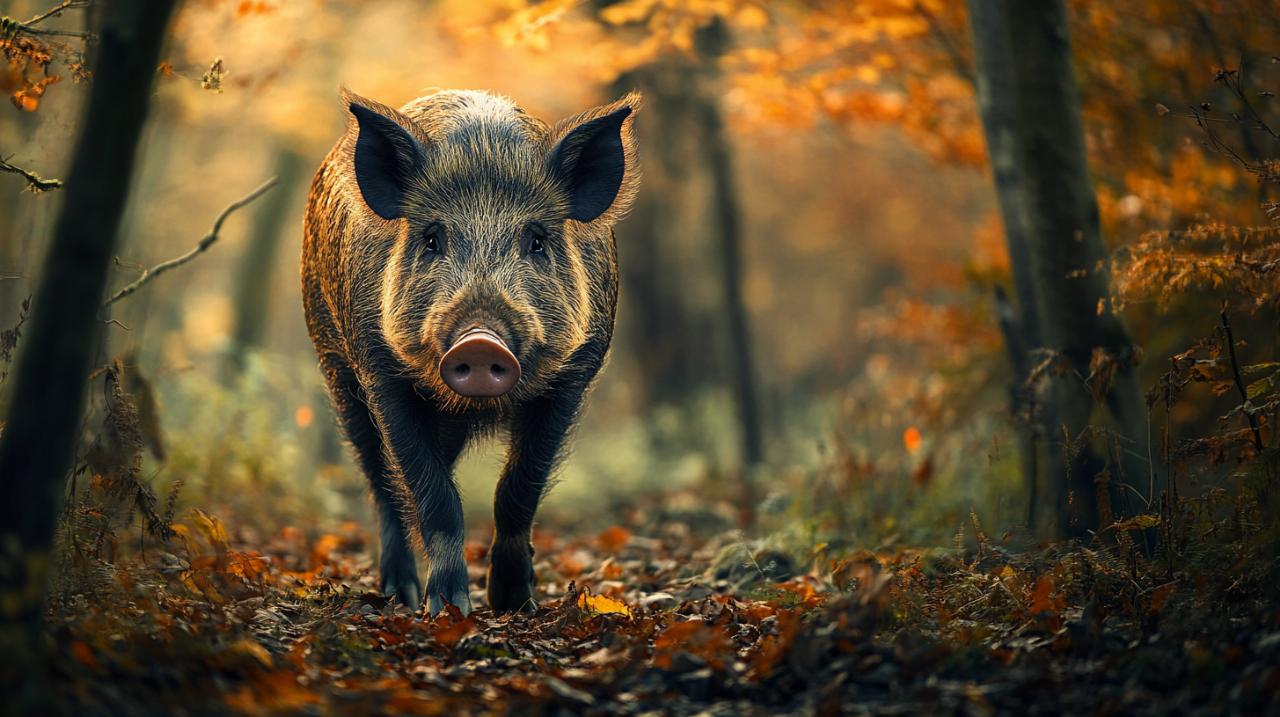
What is a Certificate of Capacity and Who Needs One?
The certificate of capacity is a formal qualification that demonstrates an individual's understanding of animal behaviour, health requirements, and the legal obligations associated with keeping non-domestic species. In the context of wild boars, this certificate is mandatory for anyone wishing to detain such an animal on their property. Obtaining the certificate involves a combination of theoretical training and practical experience, often assessed through examinations administered by recognised bodies. The curriculum typically covers topics ranging from animal welfare standards and ethical considerations to emergency procedures and disease management. The rationale for requiring such a certificate is to ensure that only those with sufficient expertise undertake the responsibility of keeping an animal that, by its nature, presents unique challenges. It serves as a safeguard against impulsive acquisitions and underscores the seriousness with which French authorities treat wildlife detention.
Legal Obligations for Keeping Wild Boars in Captivity
Beyond the certificate of capacity, prospective keepers face additional legal obligations that govern the day-to-day detention of wild boars. These obligations are multifaceted, encompassing the design and maintenance of secure enclosures, adherence to veterinary protocols, and compliance with reporting requirements. Enclosures must be robust enough to prevent escape and designed to provide an environment that approximates the animal's natural habitat, thereby promoting both physical and psychological well-being. Regular veterinary inspections are mandated to monitor health and prevent the spread of disease, which is particularly important given the potential for wild boars to harbour pathogens that could affect livestock or humans. Furthermore, keepers must maintain detailed records of the animal's provenance, health history, and any incidents that might affect public safety. Failure to meet these standards can result in the revocation of permits, fines, or even criminal prosecution, reflecting the high stakes involved in the detention of such species.
The Intersection of Passion and Practicality: Hunting, Conservation, and Proposals for Reform
The legal landscape surrounding wild boar detention does not exist in isolation; it is shaped by broader cultural practices and ongoing debates about wildlife management. Hunting traditions, conservation priorities, and evolving societal attitudes all contribute to the framework within which legislation is crafted and enforced. Understanding these intersecting themes provides valuable context for those considering the domestication of wild boars and for policymakers deliberating on future regulatory adjustments.
Wild Boars, Hunting Dogs, and the Fédération Nationale des Chasseurs
Hunting remains a deeply ingrained tradition in many rural areas of France, with wild boars being a primary quarry. The Fédération Nationale des Chasseurs, a national body representing hunters' interests, plays a significant role in shaping discourse around wild boar management. Hunting practices often involve the use of specially trained dogs, bred for their ability to track and flush out boars in dense woodland. The relationship between hunting and the potential for domestication is complex: whilst some hunters advocate for strict control of wild populations through culling, others recognise the value of captive breeding programmes that might support conservation or provide insights into boar behaviour. The federation has at times engaged with legislative discussions, proposing measures that balance the needs of hunters with the imperatives of wildlife conservation. This dynamic illustrates how passion for wildlife, whether through hunting or domestication, must be reconciled with legal frameworks designed to protect both animals and ecosystems.
Recent Legislative Proposals and the Future of Wild Boar Domestication
In recent years, there have been various legislative proposals aimed at refining the rules governing the detention of wild boars and other non-domestic species. These proposals often emerge in response to incidents involving escaped animals, public safety concerns, or shifts in public opinion regarding animal welfare. Some proposals seek to tighten existing regulations, introducing more stringent facility requirements or increasing the penalties for non-compliance. Others advocate for a more flexible approach, recognising that responsible individuals with demonstrated expertise should be afforded greater latitude in keeping such animals. The debate often centres on striking a balance between safeguarding the environment and accommodating legitimate interests in wildlife stewardship. As society's understanding of animal behaviour and welfare continues to evolve, so too does the legislative framework. Future reforms may well incorporate advances in veterinary science, improved monitoring technologies, and more nuanced assessments of individual competence, all with the aim of ensuring that the passion for domesticating wild boars is pursued within a robust legal and ethical framework.