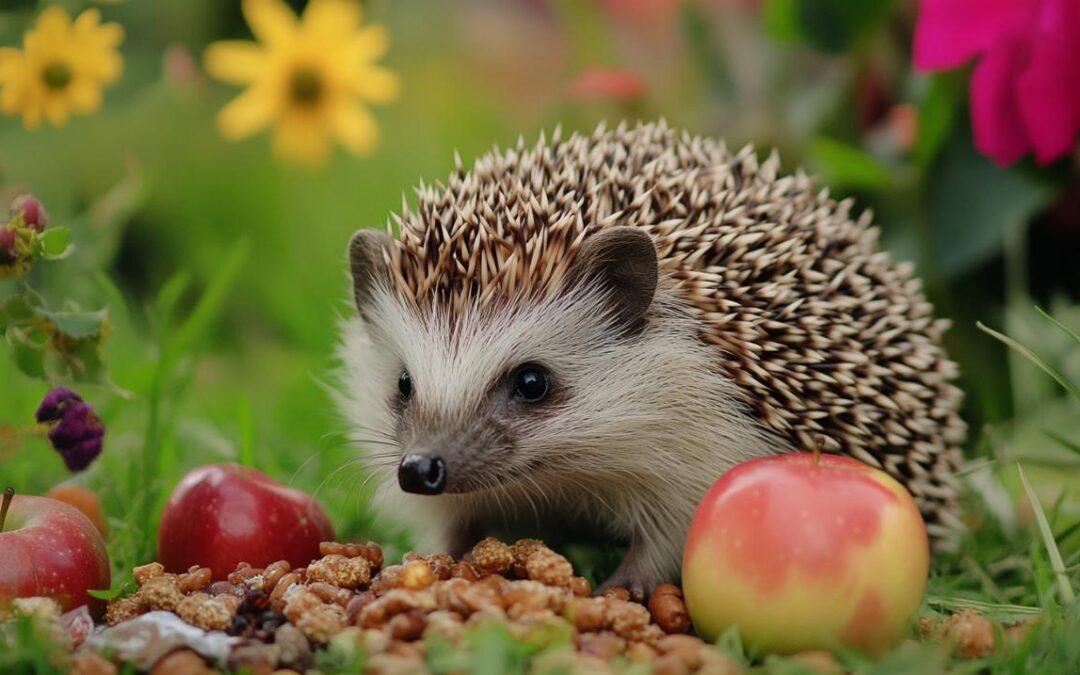
Hedgehogs have long been cherished as one of the gardener's most valuable allies, quietly patrolling our outdoor spaces under the cover of darkness. These charming nocturnal creatures, with their distinctive spines and endearing waddle, play a crucial role in maintaining a balanced garden ecosystem by feeding on a variety of common pests. Understanding what hedgehogs eat and how to support them with appropriate food and water is essential for anyone wishing to encourage these vulnerable visitors. With populations under threat and legal protections in place across Great Britain, creating a welcoming environment for hedgehogs is more important than ever.
Understanding the Natural Diet of Hedgehogs
The insectivorous appetite: slugs, snails, and garden pests
At the heart of a hedgehog's diet lies a preference for insects and invertebrates, making them true insectivores. Their natural foraging behaviour sees them consuming slugs, snails, beetles, caterpillars, and a host of other small creatures that many gardeners consider pests. This dietary habit not only sustains the hedgehog but also provides a natural form of pest control that benefits plants and vegetables. As they travel up to two or three kilometres each night in search of food, hedgehogs cover considerable ground, ensuring that their impact on garden health is both widespread and significant. Their ability to devour substantial quantities of these invertebrates makes them indispensable allies in maintaining the delicate balance of a thriving garden habitat.
The Woodland Trust highlights the importance of hedgehogs within the broader context of wildlife conservation, emphasizing their role in supporting healthy ecosystems. By feeding on insects and invertebrates, hedgehogs contribute to controlling populations that might otherwise damage crops and ornamental plants. This natural dietary preference underscores why encouraging hedgehogs to visit gardens is beneficial not only for the animals themselves but also for the overall health of outdoor spaces. Recognizing the value of these nocturnal visitors encourages gardeners to adopt practices that support their presence.
Seasonal dietary variations and hibernation needs
The dietary needs of hedgehogs shift throughout the year, particularly as they prepare for hibernation. During the active months from spring through to autumn, hedgehogs focus on building up fat reserves by consuming as much food as possible. This period of intensive feeding is critical for their survival during the winter months when they enter hibernation, typically from November through to mid-March. During hibernation, their metabolic rate slows dramatically, and they rely entirely on the energy stored as body fat. Ensuring that hedgehogs have access to plentiful and nutritious food sources in the months leading up to winter is therefore vital for their ability to endure this dormant phase.
As the seasons progress, the availability of natural food sources fluctuates. Spring and summer offer an abundance of insects and invertebrates, providing hedgehogs with ample opportunities to feed. However, as autumn approaches and temperatures drop, the natural food supply diminishes. This is the time when supplementary feeding becomes particularly valuable, helping hedgehogs to reach the necessary body weight for successful hibernation. Understanding these seasonal variations allows those who wish to support hedgehogs to time their feeding efforts appropriately, ensuring that these creatures are well-nourished when they need it most.
Providing the Right Supplementary Food and Hydration
Choosing suitable commercial foods: hedgehog, cat, and dog kibbles
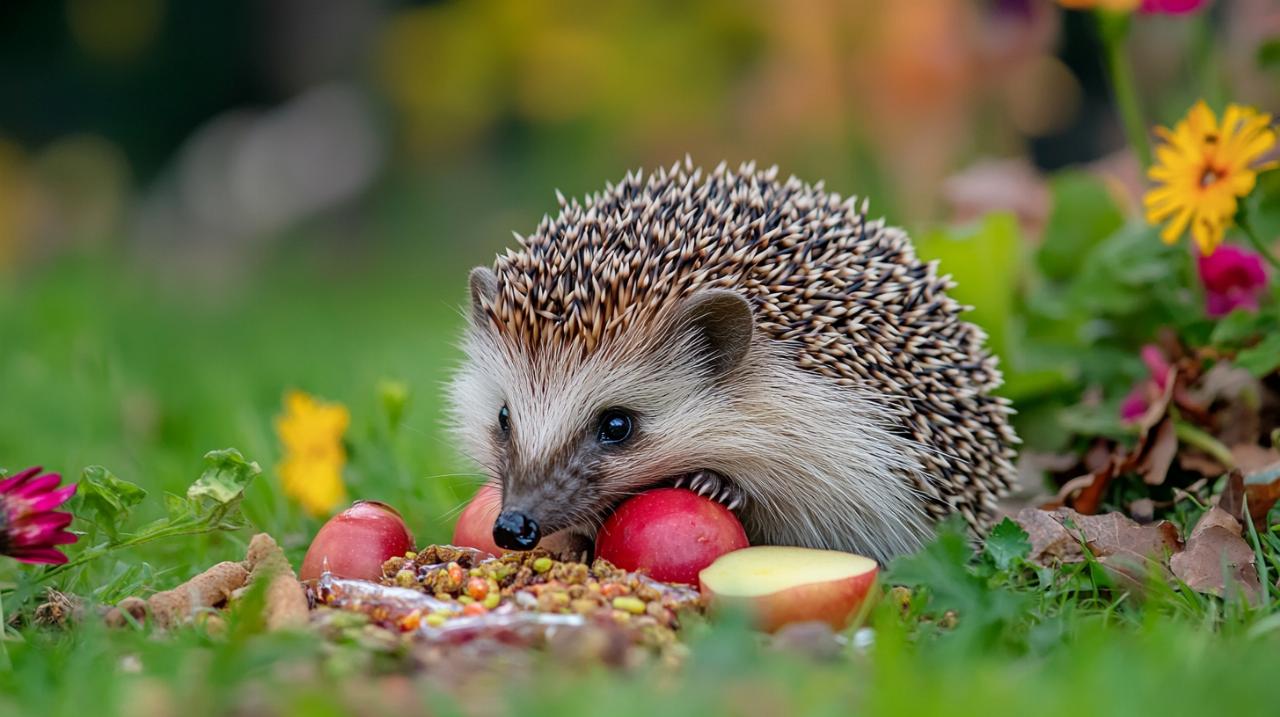
While hedgehogs are adept at finding their own food in the wild, offering supplementary meals can significantly boost their health and survival rates, especially during periods when natural food is scarce. Specially formulated hedgehog food is available and designed to meet the nutritional requirements of these insectivores. However, in the absence of dedicated hedgehog products, meat-based cat or dog food serves as an excellent alternative. Tinned cat food and tinned dog food are particularly suitable, providing the high-protein content that hedgehogs need to thrive. Additionally, crushed biscuits or kibbles formulated for cats and dogs can be offered, ensuring that hedgehogs receive a balanced and nutritious diet.
It is crucial to avoid certain foods that can be harmful to hedgehogs. Bread should never be provided, as it offers little nutritional value and can lead to malnutrition. Similarly, mealworms, while popular in some circles, are best avoided as they can cause metabolic bone disease if consumed in large quantities. Webbox, a company that produces nutritional food for pets and wildlife, offers a range of products suitable for supplementary feeding, including natural, grain-free, wet, and dry options. Gardeners and wildlife enthusiasts should focus on high-protein, low-calorie treats that mirror the hedgehog's natural diet, ensuring that any supplementary food supports rather than undermines their health.
Ensuring fresh water access throughout the year
Hydration is as important as nutrition for hedgehogs, yet it is often overlooked. Hedgehogs are lactose intolerant, meaning that cow's milk should never be offered, as it can cause severe digestive distress and even prove fatal. Instead, fresh, clean water should be made readily available at all times, particularly during warmer months when the risk of dehydration increases. A shallow dish or bowl placed in a sheltered spot in the garden provides an accessible drinking source. It is essential to check and refresh the water daily, ensuring that it remains clean and free from contaminants that could spread disease among visiting hedgehogs.
During winter, when water sources may freeze, maintaining access to liquid water becomes more challenging but no less important. Gardeners can place bowls in slightly warmer areas, such as near walls or under cover, to reduce the likelihood of freezing. Regularly checking and replacing frozen water ensures that hedgehogs have the hydration they need, even during the coldest months. The RSPCA, which focuses on animal welfare in England and Wales, provides guidance on best practices for supporting wildlife, including the provision of water. By prioritizing hydration alongside food, gardeners can create a welcoming environment that supports the health and wellbeing of hedgehogs throughout the year.
Creating a hedgehog-friendly garden environment
Building Shelters and Safe Havens for Nocturnal Visitors
Creating a hedgehog-friendly garden goes beyond simply providing food and water. It involves designing spaces that offer shelter, safety, and ease of movement for these nocturnal visitors. Piles of leaves, branches, and logs make ideal shelters, providing hedgehogs with safe places to rest during the day and to hibernate during winter. Compost heaps, while useful for gardening, should be checked carefully before turning, as hedgehogs often nest within them. Similarly, bonfires should be thoroughly inspected before lighting to ensure that no hedgehogs have taken refuge in the pile.
Hedgehog highways, which are small gaps or holes cut into fences and walls, allow hedgehogs to move freely between gardens. Given that up to ten different hedgehogs can visit a single garden in one night and that they travel up to three kilometres nightly, these highways are essential for maintaining access to food, water, and mates. The Woodland Trust encourages communities and landowners to create and maintain such passages, supporting the broader conservation efforts aimed at protecting this vulnerable species. By taking these steps, gardeners contribute to the creation of interconnected habitats that support hedgehog populations across wider landscapes.
Caring for Hoglets: Special Feeding Requirements and Lactose Sensitivity
Baby hedgehogs, known as hoglets, require special care and attention, particularly when it comes to feeding. Hoglets are lactose intolerant, just like adult hedgehogs, and must never be given cow's milk. If a hoglet is found abandoned or orphaned, the best course of action is to contact a wildlife rescue organisation or the RSPCA for guidance. Specialist milk replacers designed for hedgehogs or kittens can be used under professional advice, but attempting to feed hoglets without proper knowledge can do more harm than good. Handling hoglets should be done with care, using gloves to protect both the handler from the sharp spines and potential fleas, and the hoglet from unnecessary stress.
Supervising pets, particularly dogs, when hedgehogs are present in the garden is another important consideration. While hedgehogs cannot transmit fleas to cats or dogs, a curious or aggressive dog may harm a hedgehog, causing injury or distress. Cleaning food and water bowls daily helps prevent the spread of disease among visiting hedgehogs, ensuring that the garden remains a safe and healthy environment for all wildlife. By understanding the specific needs of hoglets and taking precautions to protect them, gardeners can play a vital role in supporting the next generation of these much-loved creatures.