Transforming your living space into a haven for your beloved companions requires thoughtful consideration and dedication. A truly pet-friendly home goes beyond simply providing food and water; it encompasses creating an environment where animals can thrive physically, emotionally, and mentally. Understanding the fundamental principles of responsible pet ownership ensures that your furry, feathered, or scaly friends enjoy a life filled with comfort, security, and happiness alongside their human family members.
Creating a Safe and Comfortable Living Environment
The foundation of excellent animal care tips begins with establishing a secure and welcoming atmosphere within your home. Every corner of your living space should be examined through the eyes of your pet, recognising potential dangers that might otherwise go unnoticed. This proactive approach not only prevents accidents but also provides peace of mind for pet owners who want nothing but the best for their companions. The environment you create directly influences your pet's wellbeing, affecting everything from their stress levels to their overall quality of life.
Pet-proofing your home: identifying and eliminating hazards
Ensuring your home is free from hidden dangers requires a comprehensive assessment of each room. Electrical cables should be secured or concealed, as curious pets often find dangling wires irresistible. Household cleaning products, medications, and certain plants can pose serious health risks if ingested, so these items must be stored in cupboards that pets cannot access. Small objects that could be swallowed should be kept out of reach, particularly for puppies and kittens who explore their world through their mouths. Windows and balconies need secure screens or barriers to prevent tragic falls, especially in homes with cats who enjoy perching in high places. Toxic foods commonly found in kitchens, such as chocolate, onions, and grapes, should never be left where inquisitive noses can find them. Regularly inspecting your home for potential hazards becomes second nature once you understand how pets interact with their surroundings.
Designing Dedicated Spaces for Rest and Play
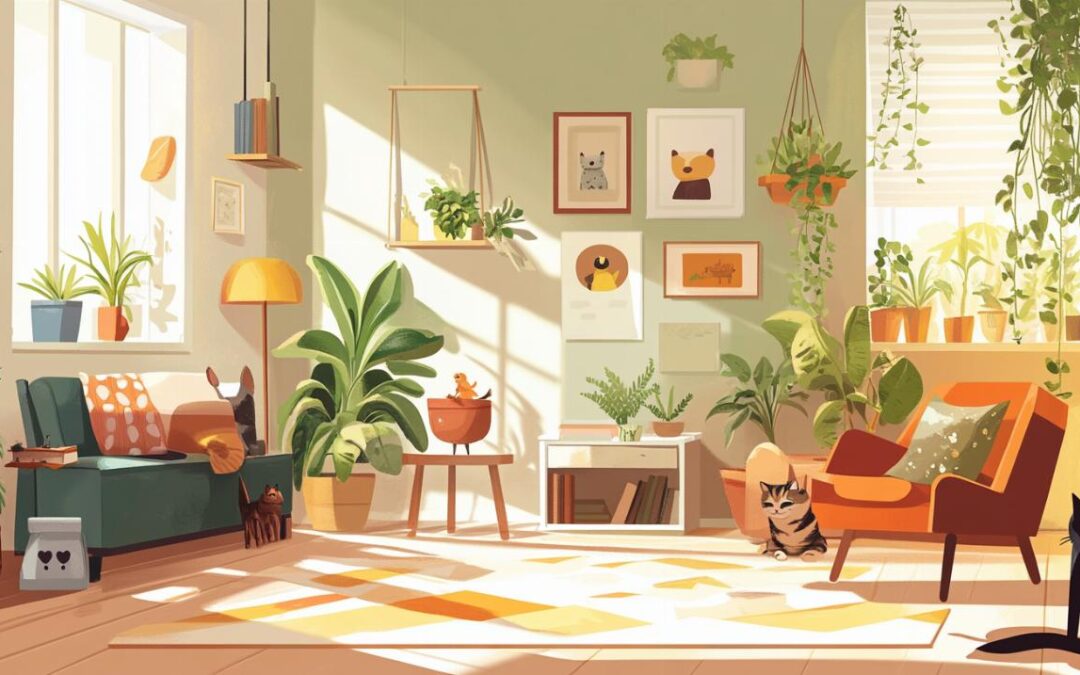
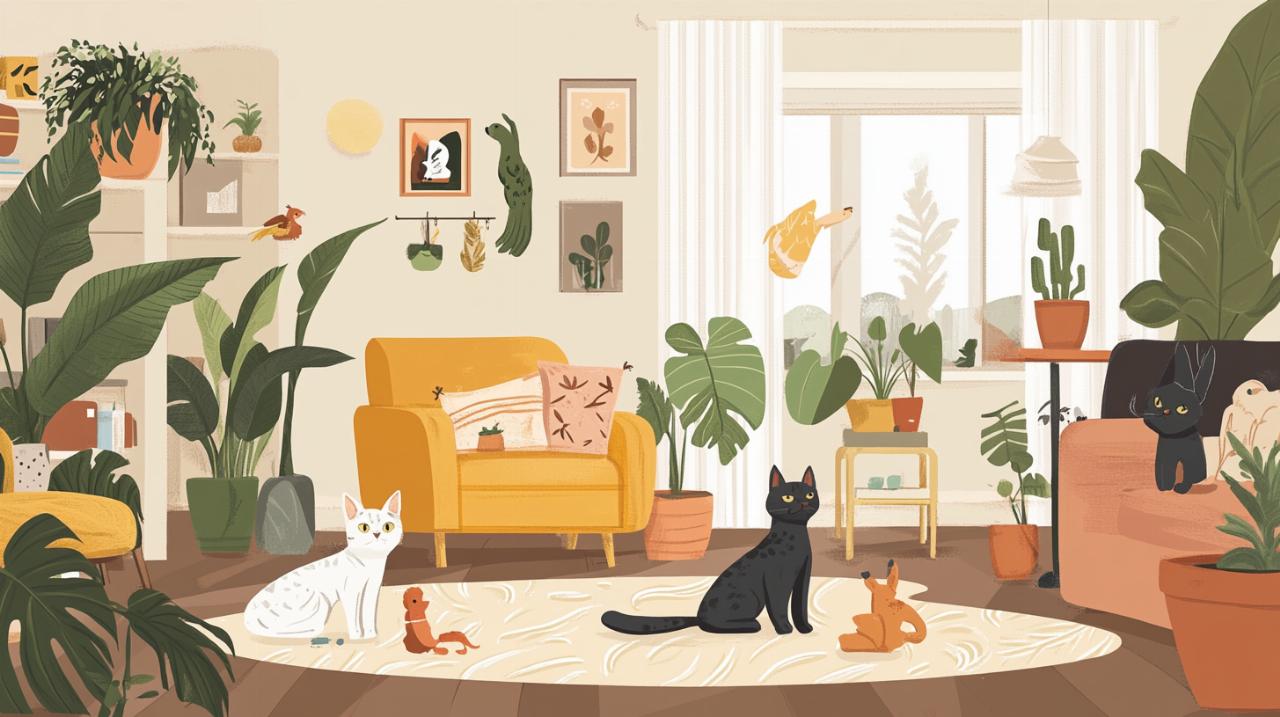
Every pet deserves a sanctuary within the home where they can retreat for rest and rejuvenation. Creating designated areas for sleeping provides your companion with a sense of security and belonging. These spaces should be quiet, away from high-traffic zones, and furnished with comfortable bedding appropriate to the species and size of your pet. Dogs often appreciate crate training, which gives them a den-like environment, whilst cats typically favour elevated perches or enclosed hideaways. Beyond rest areas, active pets require space for play and exercise, particularly during inclement weather when outdoor activities might be limited. Interactive toys, scratching posts for cats, and puzzle feeders can transform ordinary rooms into enriching environments. Rotating toys regularly prevents boredom and keeps your pet mentally stimulated. The thoughtful arrangement of furniture can create pathways for cats to climb and explore, whilst dogs benefit from clear floor space for indoor games. Balancing comfort with stimulation ensures your pet remains both relaxed and engaged throughout the day.
Establishing proper nutrition and healthcare routines
The cornerstone of responsible pet ownership lies in maintaining consistent nutrition and healthcare practices. What you feed your companion and how you monitor their health directly impacts their longevity and quality of life. Developing routines around mealtimes and medical care creates stability that pets find reassuring, whilst also making it easier to notice any changes in behaviour or appetite that might signal health concerns. These practices demonstrate the commitment required to be a truly conscientious pet guardian.
Selecting the Right Diet for Your Pet's Specific Needs
Nutritional requirements vary dramatically between species, breeds, ages, and activity levels. Consulting with a veterinary professional helps determine the most appropriate diet for your particular companion. Puppies and kittens require different nutritional profiles compared to adult or senior animals, with specific balances of proteins, fats, and essential nutrients to support their developmental stages. Some pets may have allergies or sensitivities that necessitate specialised foods, whilst others thrive on standard commercial diets. Fresh water must always be available, with bowls cleaned and refilled daily to encourage adequate hydration. Portion control plays a crucial role in preventing obesity, which can lead to numerous health complications including joint problems and diabetes. Treats should be given sparingly and factored into the overall daily caloric intake rather than provided in addition to regular meals. Understanding ingredient labels and avoiding fillers or artificial additives contributes to better long-term health outcomes. The investment in quality nutrition pays dividends through improved energy levels, healthier coats, and enhanced immune function.
Maintaining regular veterinary check-ups and preventative care
Scheduling routine veterinary examinations forms an essential component of comprehensive pet care. Annual check-ups allow professionals to detect potential health issues before they become serious problems, often when treatment is most effective and least invasive. Vaccinations protect against common and potentially fatal diseases, with schedules tailored to your pet's lifestyle and risk factors. Parasite prevention, including treatments for fleas, ticks, and worms, safeguards both your pet and your household from infestations and disease transmission. Dental health often receives insufficient attention despite its significant impact on overall wellbeing; regular tooth brushing and professional cleanings prevent painful infections and systemic health issues. Microchipping provides permanent identification that dramatically increases the chances of reunion should your pet become lost. Senior pets benefit from more frequent examinations as age-related conditions develop, allowing for early intervention and management. Keeping detailed records of vaccinations, treatments, and any health concerns creates a valuable medical history that assists veterinary professionals in providing optimal care. The relationship you build with your veterinary practice becomes an invaluable resource throughout your pet's life, offering guidance, support, and expert medical attention whenever needed.
 How to take care of a puppy?
 Creating a Spa Veranda: Material Selection and Relaxation Planning
 Brilliant Illumination and Space: Why the Exo Terra Terrarium 90x45x90 Remains the Ideal Choice for Your Reptile Enthusiast
 Eco-friendly cleaning with steam cleaners: A detailed comparison for chemical-free solutions
 How Do I Remove My Dog’s Hair Mats Safely? Targeted Brush and Detangling Methods for Sensitive Spots
 Interior decorating ideas to harness animal behavior tips with sage green and indoor plants
 Exploring animal adoption opportunities: a sustainable choice for compassionate living
 Budget Planning for Your Australian Shepherd: Understanding Dog Costs Beyond the Initial Price Tag