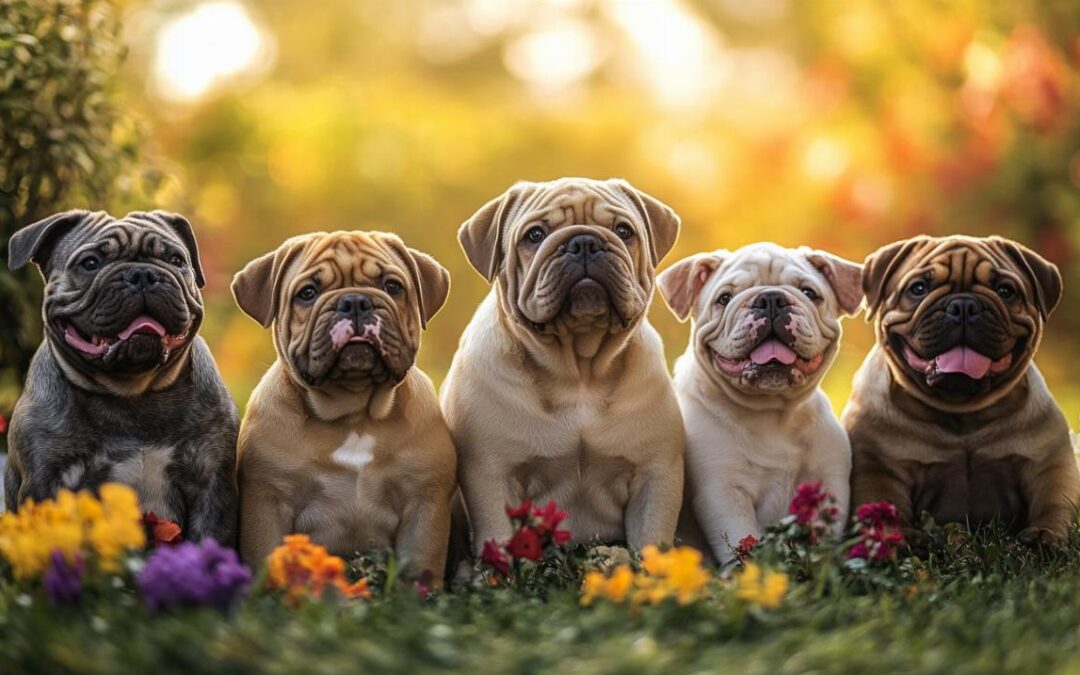
There exists a particular category of canine companion that captures hearts not through sleek, polished coats, but through layers of endearing, velvety folds that give these dogs an unmistakable character. These wrinkly dog breeds, with their distinctive loose skin and charming creases, have become beloved members of households across Britain and beyond. Whilst their appearance may prompt smiles and affectionate pats, caring for these special companions requires knowledge and dedication, particularly when it comes to maintaining the health of those iconic wrinkles that define their appeal.
Understanding the Charm of Wrinkly Canines
Why certain breeds develop distinctive folds
The presence of wrinkles in certain dog breeds stems from a fascinating combination of genetics and selective breeding practices that have been refined over generations. These folds of loose skin are not merely aesthetic quirks but rather the result of deliberate breeding choices that emphasised particular physical characteristics. Some breeds developed their wrinkled appearance as a functional trait, with the excess skin serving practical purposes in their original roles. The genetic factors that contribute to this distinctive feature involve the production of hyaluronic acid in the skin, which creates the thick, folded texture that wrinkly breeds are known for. This biological characteristic has been carefully preserved and enhanced through selective breeding programmes that recognised both the functional and aesthetic value of these remarkable folds.
The historical purpose behind these adorable creases
Examining the historical context reveals that many wrinkled breeds were originally developed for specific working roles where their loose skin provided tangible advantages. For guardian and fighting dogs, the abundant folds offered protection during confrontations, as opponents would grasp loose skin rather than inflicting serious injury to vital areas. Hunting breeds with wrinkles often benefited from the way their skin folds helped direct scents toward their noses, enhancing their already formidable tracking abilities. The Shar-Pei, for instance, was bred in ancient China partly for its protective wrinkles that made it difficult for adversaries to secure a firm grip. Similarly, the loose jowls of scent hounds like the Bloodhound serve to trap and concentrate scent particles, making them extraordinarily effective trackers. These historical functions have given way to modern appreciation of these breeds primarily as devoted companions, though their distinctive appearance remains a testament to their working heritage.
Spotlighting britain's favourite crinkled companions
The shar-pei: china's gift to wrinkle enthusiasts
Standing between forty-five and fifty-one centimetres tall and weighing approximately twenty to twenty-seven kilograms, the Shar-Pei presents one of the most dramatically wrinkled appearances in the canine world. This ancient Chinese breed, with a lifespan typically ranging from eight to twelve years, possesses a temperament that combines independence with profound loyalty to family members. The Shar-Pei's calm demeanour makes it an excellent companion for those who appreciate a dog with a dignified presence. However, prospective owners must recognise that this breed's magnificent wrinkles demand meticulous daily attention to prevent skin infections that can develop within the deep folds. The Shar-Pei's distinctive hippopotamus-shaped head and blue-black tongue add to its unique appearance, making it instantly recognisable and deeply cherished by enthusiasts who appreciate its singular combination of physical characteristics and steadfast loyalty.
The english bulldog: a national treasure with character lines
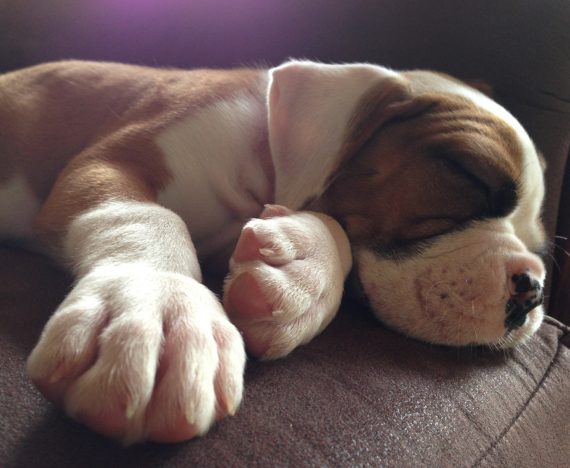
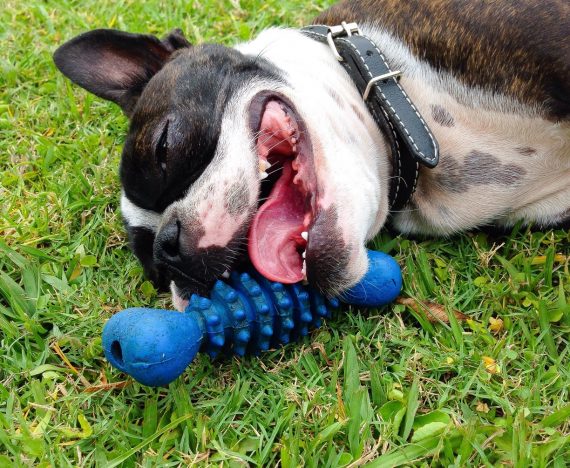
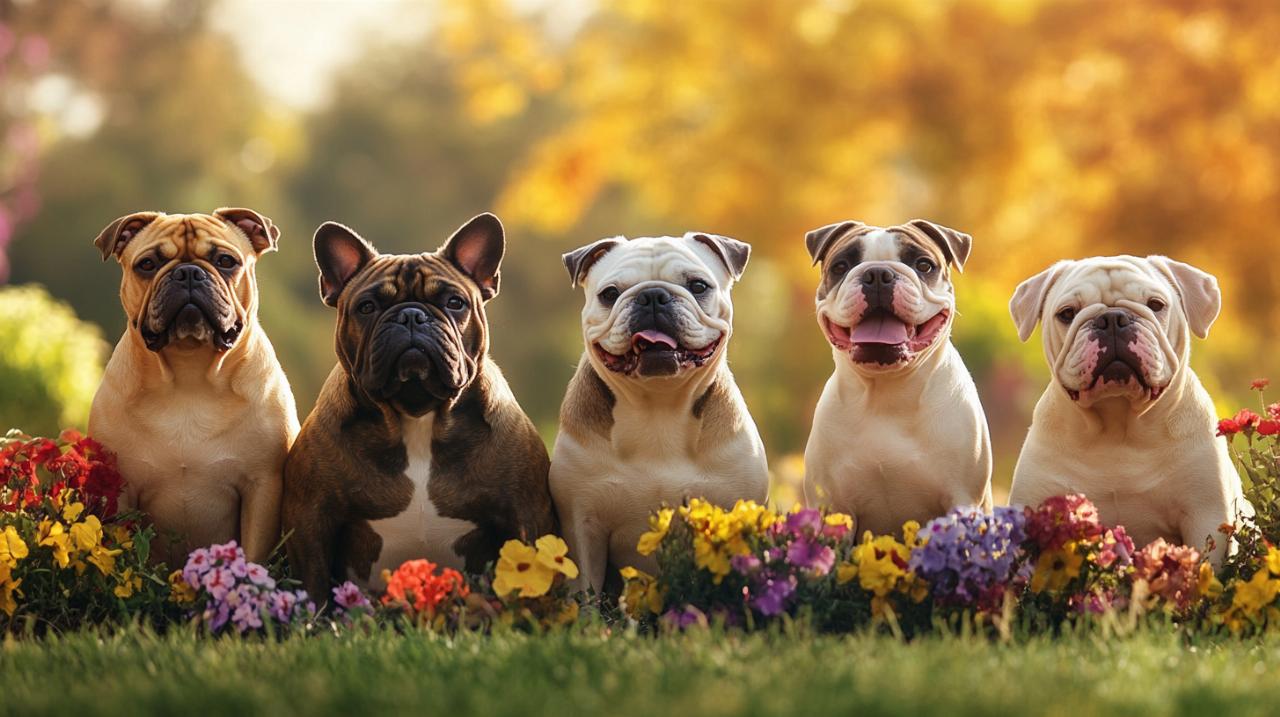
Few breeds embody British character quite like the English Bulldog, a compact powerhouse measuring thirty to forty centimetres in height and weighing between eighteen and twenty-five kilograms. With a lifespan of eight to ten years, these dependable companions exhibit a temperament that is simultaneously quiet, rather lazy, and utterly reliable. The English Bulldog's wrinkled face and stocky build have made it an icon of determination and resilience, qualities that resonate deeply with British sensibilities. However, this beloved breed faces particular health challenges that responsible owners must address. The facial wrinkles that contribute to its endearing appearance also create environments where moisture and debris can accumulate, necessitating regular cleaning to prevent skin infections. Additionally, the Bulldog's brachycephalic facial structure means it is prone to breathing difficulties, requiring owners to monitor exercise levels carefully and ensure the dog does not overheat. Despite these considerations, the English Bulldog remains a cherished family companion whose gentle nature and loyalty make it worth the extra care required to maintain its wellbeing.
Essential maintenance for your wrinkly friend's skin health
Daily cleaning routines to prevent infections
Caring for a wrinkly dog breed demands a commitment to daily skincare that goes beyond the grooming requirements of smooth-coated breeds. The fundamental principle involves keeping the skin folds clean and thoroughly dry, as moisture trapped within wrinkles creates an ideal environment for bacterial and fungal growth. Owners should establish a routine that includes gently wiping each fold with a soft, damp cloth or specialised pet wipes, paying particular attention to deep creases around the face, neck, and body. After cleaning, it is absolutely essential to dry each fold completely using a clean, dry cloth or soft towel, as any residual moisture can lead to irritation and infection. This process should become part of the daily routine, much like feeding or walking, to ensure consistency and effectiveness. Some wrinkly breeds, including the Basset Hound, Neapolitan Mastiff, and Pug, require particular attention to facial wrinkles, whilst others like the Bloodhound need careful monitoring of their droopy ears, which can also trap moisture and debris. Establishing this daily skincare regimen from puppyhood helps acclimate the dog to handling and makes the process easier for both pet and owner throughout the animal's life.
Recognising warning signs of dermatological issues
Vigilance in monitoring your wrinkly companion's skin health can prevent minor irritations from developing into serious medical conditions requiring veterinary intervention. Owners should regularly inspect each fold for signs of redness, inflammation, or unusual odour, all of which indicate potential infection. Excessive scratching, rubbing of the face against furniture, or visible discomfort when touched are behavioural indicators that warrant immediate attention. The skin within folds should appear pink and healthy rather than angry red or showing signs of discharge. Breeds such as the French Bulldog, Dogue de Bordeaux, and Bullmastiff, with their varying degrees of wrinkles, each present unique monitoring challenges that owners must learn to navigate. Eye problems can also develop in heavily wrinkled breeds when folds rub against the cornea, causing irritation and potentially leading to more serious conditions if left untreated. Joint issues may arise in larger wrinkly breeds like the Neapolitan Mastiff and English Mastiff, whose substantial weight places additional stress on their skeletal structure. Understanding these potential health concerns allows owners to maintain the quality of life their wrinkly companions deserve whilst celebrating the distinctive appearance that makes these breeds so extraordinarily special.
 How to take care of a puppy?
 Creating a Spa Veranda: Material Selection and Relaxation Planning
 Brilliant Illumination and Space: Why the Exo Terra Terrarium 90x45x90 Remains the Ideal Choice for Your Reptile Enthusiast
 Eco-friendly cleaning with steam cleaners: A detailed comparison for chemical-free solutions
 How Do I Remove My Dog’s Hair Mats Safely? Targeted Brush and Detangling Methods for Sensitive Spots
 Interior decorating ideas to harness animal behavior tips with sage green and indoor plants
 Exploring animal adoption opportunities: a sustainable choice for compassionate living
 Budget Planning for Your Australian Shepherd: Understanding Dog Costs Beyond the Initial Price Tag
 Essential Animal Care Tips for a Cosy and Pet-Friendly Home
 Sustainable pet care tips: eco-friendly solutions for your home