
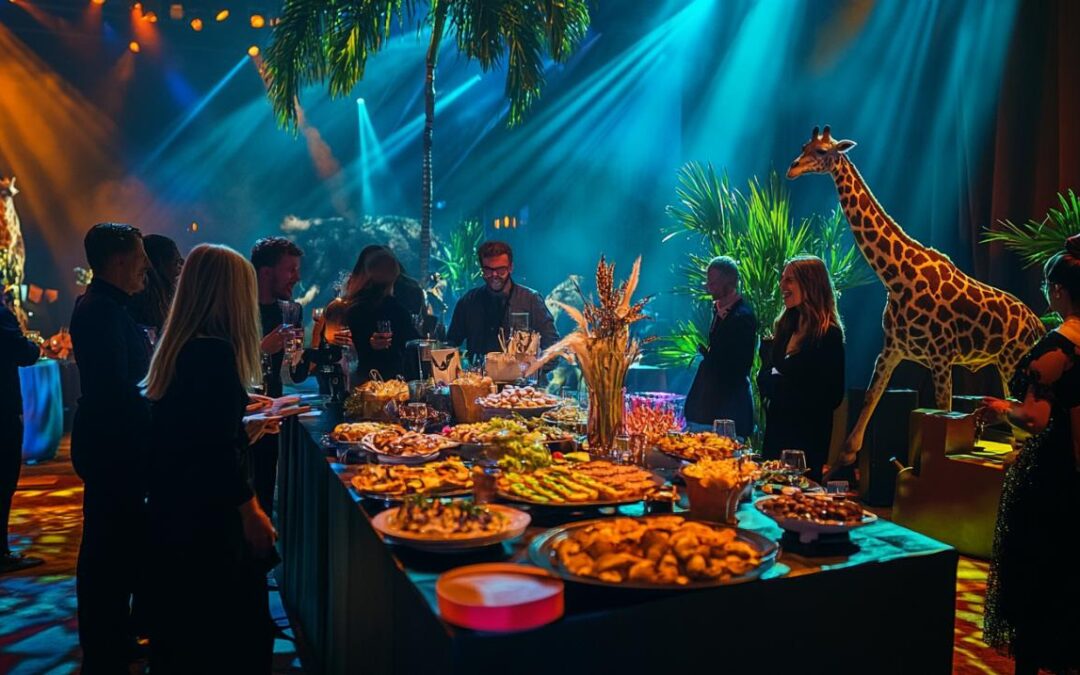
Planning a truly memorable event requires more than ticking boxes on a standard checklist. It demands creativity, a deep understanding of your audience, and the ability to weave experiences that resonate long after the final guest departs. Whether you are orchestrating a corporate gathering, a brand activation, or an immersive gala, the goal remains constant: to craft moments that captivate, engage, and inspire. Drawing from nearly two decades of industry expertise, innovative approaches now blend sensory immersion, cutting-edge technology, and thoughtful personalisation to elevate events from mere functions into unforgettable journeys. The landscape of event management has evolved significantly, embracing hybrid formats, sustainable practices, and story-driven environments that speak directly to attendees. By exploring fresh concepts and practical strategies, you can transform any occasion into a remarkable experience that leaves a lasting impression on all who attend.
Innovative theme concepts to captivate your guests
Selecting a compelling theme serves as the foundation for any successful event, setting the tone and guiding every decision from spatial design to entertainment. The most effective themes do not simply decorate a space but transport guests into a carefully constructed narrative world. Immersive themed galas, for instance, can whisk attendees away from the everyday and into a realm where brand narratives come alive through meticulous attention to detail. By integrating story-led environments, event planners utilise spatial design and technology to communicate brand messages in ways that feel organic and engaging rather than overtly promotional. This approach transforms a venue into a living storybook, where each corner reveals another chapter and every interaction deepens the connection between the brand and its audience.
Multi-sensory brand immersions represent another powerful thematic avenue, leveraging scent, sound, touch, and light to create memories that linger far beyond the event itself. Scent branding, in particular, has emerged as a sophisticated tool to reinforce brand identity, as olfactory cues trigger emotional responses and enhance recall. When combined with dynamic lighting that shifts to match the mood and narrative arc of the evening, the result is an atmosphere that feels alive and responsive. Themed entertainment, whether through artistic performers, dancers, or bespoke installations, further enriches these environments, ensuring that guests are not passive observers but active participants in a shared experience. Such events often build towards a crescendo, focusing energy on the most intense moment and ensuring the final impression is both powerful and memorable.
Immersive storytelling experiences that transport attendees
Storytelling lies at the heart of the most impactful events, offering a framework through which guests can connect emotionally and intellectually with the content presented. Rather than delivering information in a straightforward manner, effective storytelling weaves facts and messages into a narrative that unfolds naturally over the course of the event. This might involve creating hidden aspects within the venue, such as secret rooms or concealed doorways, that guests discover as they explore. Augmented reality technology can add layers of intrigue, revealing digital elements that enhance the physical space and deepen the storyline. By designing the event as a journey rather than a static presentation, planners encourage exploration and curiosity, making each attendee feel like an active participant in the unfolding tale.
Artistic collaborations and live creative moments inject spontaneity and authenticity into storytelling, positioning brands as culturally relevant and forward-thinking. When musicians, visual artists, or performers contribute in real-time, the event gains a dynamic quality that resonates with audiences seeking genuine experiences. Purpose-driven CSR events also employ storytelling to link business goals with social benefits, demonstrating a brand’s commitment to meaningful impact. These narratives, when told through transformative spaces and carefully curated touchpoints, elevate the event from a corporate obligation to a celebration of shared values and collective purpose. The key is ensuring that every element, from the immersive entranceways to the final farewell, contributes to a cohesive and emotionally resonant story.
Interactive technology integration for enhanced engagement
Interactive technology has revolutionised the way attendees engage with events, offering opportunities for participation that extend far beyond passive observation. Augmented and virtual reality experiences, for example, allow guests to step into entirely new worlds, whether exploring a product in three dimensions or navigating a branded simulation. However, the most successful applications of such technology prioritise human connection, using digital tools to facilitate conversations and interactions rather than isolate individuals behind screens. Gamification introduces elements of competition and challenge, transforming networking into an engaging activity where attendees work together to solve puzzles or complete missions. This approach not only drives engagement but also fosters camaraderie and breaks down the barriers that often inhibit spontaneous interaction at corporate events.
Reactive spaces represent another frontier in interactive design, utilising elements such as LED mirrors, sound-sensitive lighting, and motion-activated installations to create environments that respond to the presence and actions of guests. These dynamic settings make every moment feel unique and personal, as the space itself becomes a co-creator of the experience. Mobile event apps and registration systems further enhance engagement by providing attendees with real-time information, personalised schedules, and networking opportunities at their fingertips. Analytics and reporting tools embedded within these platforms allow organisers to understand attendee behaviour and preferences, enabling data-personalised experiences that tailor content and interactions to individual interests. By blending cutting-edge event technology with thoughtful design, planners can create phygital experiences that honour both the physical and digital dimensions of modern events.
Practical strategies for delivering exceptional guest experiences
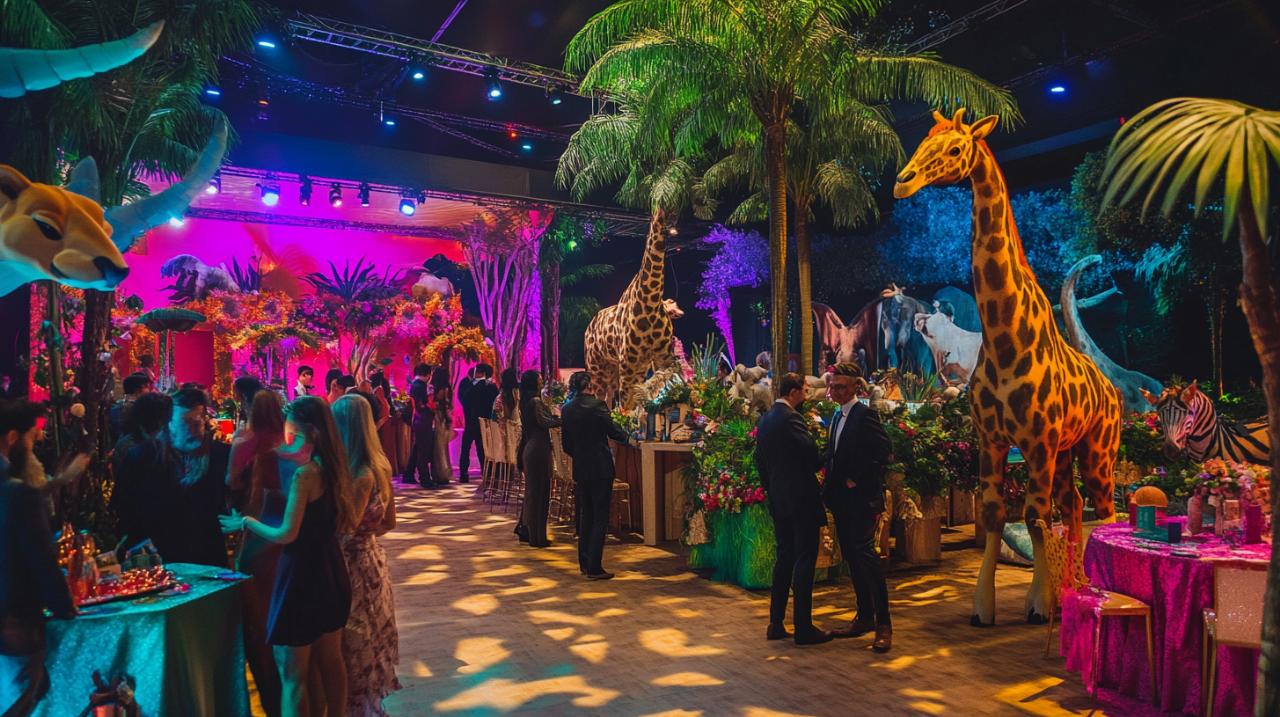
Beyond grand concepts and innovative themes, the success of any event hinges on the execution of practical strategies that prioritise the comfort, enjoyment, and satisfaction of every guest. Exceptional guest experiences are built on a foundation of meticulous planning, from selecting unique venues that surprise and delight to curating personalised catering options that reflect the tastes and dietary needs of attendees. Lighting and AV systems must be seamlessly integrated to support the event’s narrative without drawing undue attention to the technical apparatus. Check-in and badging processes should be efficient and welcoming, setting a positive tone from the moment guests arrive. Sponsor and exhibitor management requires careful coordination to ensure that commercial elements enhance rather than detract from the overall experience, providing value to both partners and attendees.
Event production teams with in-house capabilities, including their own warehouse of production equipment, offer distinct advantages in terms of flexibility, quality control, and responsiveness. The ability to pivot quickly, adjust designs on the fly, and draw upon a deep well of resources ensures that even the most ambitious visions can be realised without compromise. Sustainable events have become increasingly important, with planners integrating eco-friendly practices into every aspect of production, from materials selection to waste management. This commitment to sustainability not only aligns with the values of many attendees but also demonstrates a brand’s broader responsibility to the environment. Award ceremonies, gala dinners, and product launches all benefit from this comprehensive approach, where every detail is considered and every decision supports the overarching goal of creating a memorable and meaningful experience.
Personalised touchpoints that create lasting impressions
Personalisation transforms a generic event into a bespoke experience that speaks directly to each attendee, making them feel valued and understood. Data-driven approaches allow planners to tailor content, seating arrangements, and even entertainment to individual preferences, leveraging insights gathered through registration systems and mobile event apps. Personalised catering, for instance, goes beyond accommodating dietary restrictions to offer menu options that reflect regional tastes or cultural significance. Branded elements, when customised for different audience segments, reinforce the connection between the attendee and the event’s purpose, whether that involves a product launch, a corporate milestone, or a charitable initiative. These touchpoints, though often subtle, accumulate to create a sense of intimacy and care that distinguishes an exceptional event from a merely adequate one.
Lead management systems and event networking features further enhance personalisation by facilitating meaningful connections between attendees. Rather than leaving networking to chance, structured activities and intelligent matchmaking ensure that guests meet individuals who share their interests or professional goals. Virtual entertainment and hybrid event formats expand the reach of personalisation, allowing remote attendees to enjoy tailored experiences that mirror the engagement of those present in person. The integration of carnivale studio event planning ideas, which emphasise creativity and individuality, can inspire fresh approaches to personalisation that push beyond conventional boundaries. By prioritising the unique needs and desires of each guest, event planners demonstrate a level of attention and dedication that resonates long after the event concludes.
Sensory Elements to Elevate the Overall Atmosphere
The power of sensory engagement cannot be overstated when it comes to creating an atmosphere that captivates and inspires. Multi-sensory immersions that combine scent, sound, touch, and light engage the full spectrum of human perception, forging memories that are both vivid and enduring. Scent branding, for example, can evoke specific emotions or associations, anchoring the event in the minds of attendees through a carefully chosen aroma. Sound design, whether through live musicians and bands or curated playlists, sets the rhythm and energy of the gathering, guiding the emotional journey from anticipation to celebration. Dynamic lighting transforms the visual landscape, shifting colours and intensities to match the narrative arc and highlight key moments.
Tactile elements, such as bespoke props, interactive installations, and textured surfaces, invite guests to engage physically with their environment, deepening their connection to the event. Pop-up installations and brand worlds leverage the temporary nature of these experiences to create a sense of urgency and exclusivity, encouraging exploration and participation. Unexpected clashes in design, such as mixing contrasting themes or incorporating illusions through lighting and shadows, disrupt expectations and spark curiosity. Utilising often-overlooked spaces, such as ceilings adorned with projections or installations, draws the eye upward and maximises the venue’s potential. Seasonal entertainment and themed entertainment, from winter wonderland spectacles to Halloween-themed performances, further enrich the sensory landscape, ensuring that every sense is engaged and every moment is infused with intentional design. By orchestrating these elements with care and creativity, event planners craft atmospheres that are not only beautiful but also deeply resonant and unforgettable.
 How to take care of a puppy?
 Creating a Spa Veranda: Material Selection and Relaxation Planning
 Brilliant Illumination and Space: Why the Exo Terra Terrarium 90x45x90 Remains the Ideal Choice for Your Reptile Enthusiast
 Eco-friendly cleaning with steam cleaners: A detailed comparison for chemical-free solutions
 How Do I Remove My Dog’s Hair Mats Safely? Targeted Brush and Detangling Methods for Sensitive Spots
 Interior decorating ideas to harness animal behavior tips with sage green and indoor plants
 Exploring animal adoption opportunities: a sustainable choice for compassionate living
 Budget Planning for Your Australian Shepherd: Understanding Dog Costs Beyond the Initial Price Tag
 Essential Animal Care Tips for a Cosy and Pet-Friendly Home
 Sustainable pet care tips: eco-friendly solutions for your home
 The Five Most Endearingly Crinkled Dog Breeds: A Complete Guide to Caring for Their Wrinkles
 Essential home tips for pet-friendly living spaces
 Marine Protected Areas and the Guinean Angelfish: All About This Very Colourful Fish in Sanctuary Waters