
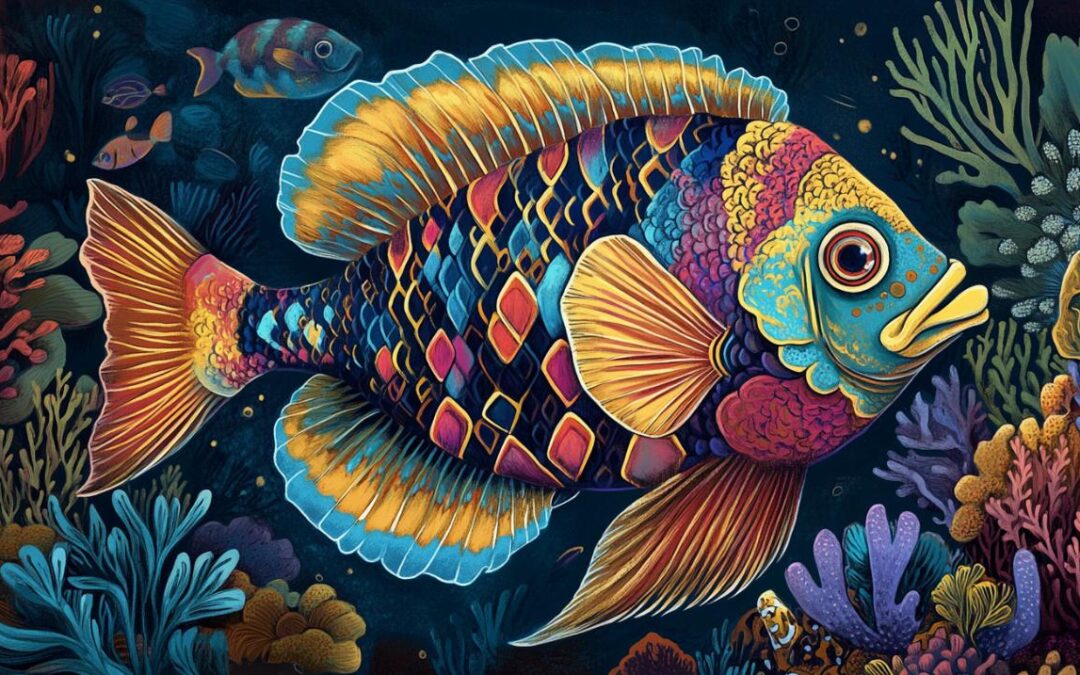
The waters off the West African coast harbour some of the ocean's most dazzling residents, with the Guinean angelfish standing out as a particularly striking example of nature's artistry. This remarkable species thrives in the sanctuary of marine protected areas, where conservation efforts work tirelessly to preserve not only individual fish populations but entire ecosystems that support them. Understanding the relationship between these vibrant creatures and the protected waters they inhabit offers valuable insight into both marine biodiversity and the importance of safeguarding our oceanic treasures for future generations to admire and study.
The guinean angelfish: a vibrant jewel of west african waters
The Guinean angelfish commands attention wherever it appears, transforming underwater landscapes into living galleries of colour and movement. This species represents one of the most visually captivating inhabitants of its native range, drawing fascination from marine biologists and recreational divers alike. Its presence in coastal waters serves as a testament to the rich biodiversity that thrives along the African Atlantic shores, where warm currents and rocky substrates create ideal conditions for diverse marine life to flourish and establish complex ecological relationships.
Physical characteristics and brilliant colouration
The Guinean angelfish displays a colour palette that seems almost impossibly vivid against the muted blues and greens of its underwater realm. Its body typically exhibits bold patterns of yellow, blue, and orange, with colour intensity varying depending on the individual specimen and its age. The fish possesses a laterally compressed body shape characteristic of angelfish species, allowing it to navigate effortlessly through the rocky crevices and coral formations it calls home. Adult specimens can reach a modest size, though they rarely exceed dimensions that would make them cumbersome in their preferred habitat of complex reef structures. The distinctive colouration serves multiple purposes beyond mere aesthetics, playing crucial roles in species recognition, mate selection, and potentially in warning rival fish to respect territorial boundaries. Juvenile Guinean angelfish often display slightly different colour patterns compared to their adult counterparts, a common feature among angelfish species that helps reduce competition between age groups by signalling their non-threatening status to mature, territorial individuals.
Natural Habitat and Distribution Along the Guinean Coast
The Guinean angelfish inhabits a relatively specific stretch of the eastern Atlantic Ocean, primarily concentrated along the coastlines of Guinea, Sierra Leone, and neighbouring West African nations. This species shows a marked preference for rocky reefs and areas with substantial hard substrate, where it can establish territories and find adequate shelter from predators. The depth range occupied by these fish typically extends from shallow waters accessible to snorkellers down to moderate depths favoured by scuba divers, making them relatively accessible to human observation when conditions permit. Temperature and water quality parameters along this coast create a distinctive marine environment that supports not only the Guinean angelfish but numerous other endemic and regional species. The geographical isolation of these populations, combined with specific habitat requirements, makes the species particularly vulnerable to localised threats and environmental changes. Seasonal variations in water temperature and current patterns influence the distribution and behaviour of these fish, with some individuals displaying limited movement patterns whilst others may undertake short-range migrations in response to breeding cycles or food availability. The rocky nature of their preferred habitat provides abundant grazing surfaces for algae and small invertebrates, which form the dietary foundation for this primarily herbivorous species.
Why Marine Protected Areas Matter for the Guinean Angelfish
Marine protected areas represent one of the most effective tools available for conserving vulnerable fish populations and the ecosystems upon which they depend. For species like the Guinean angelfish, which occupy relatively restricted geographical ranges and specific habitat types, the establishment of protected waters can mean the difference between thriving populations and gradual decline. These sanctuary zones function as refuges where natural processes can proceed without the constant pressure of human extraction, allowing fish populations to maintain healthy age structures and genetic diversity. The benefits extend far beyond individual species, as protecting habitats for charismatic fish like the Guinean angelfish simultaneously safeguards countless other organisms sharing the same ecosystem.
Threats Facing This Spectacular Species in the Wild
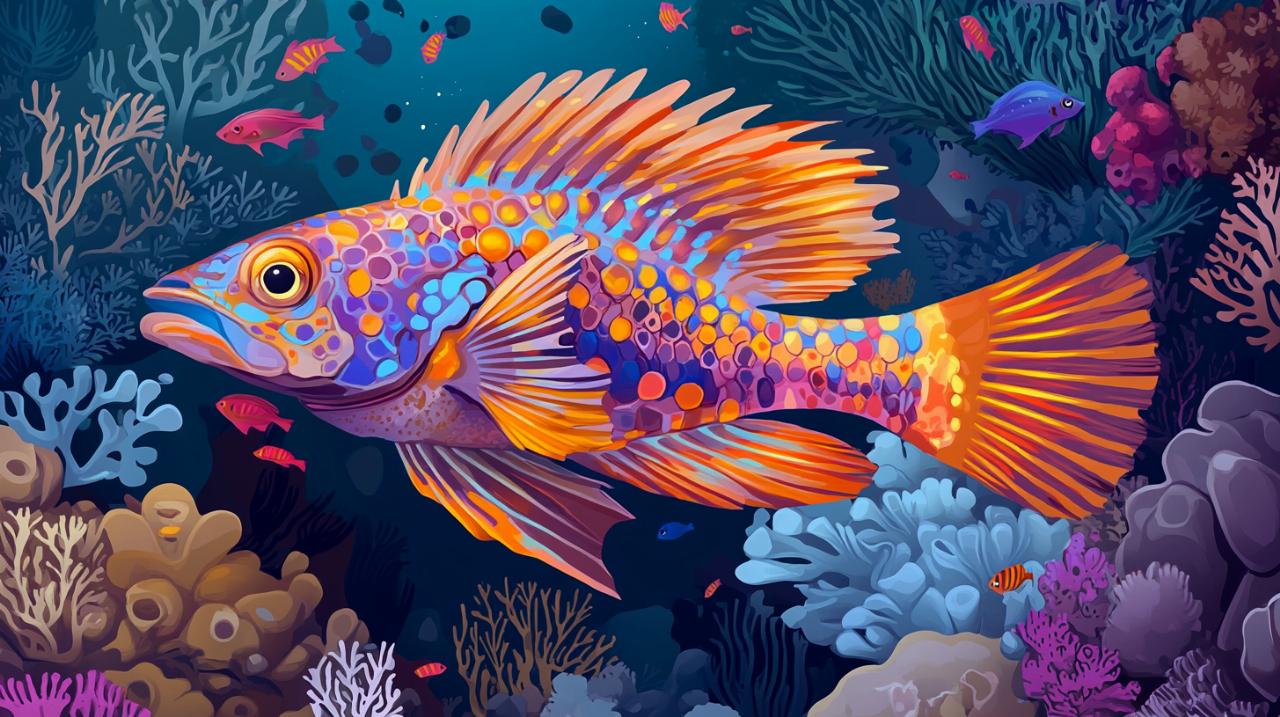
The Guinean angelfish confronts multiple challenges in its natural environment, many of which stem from increasing human activity along the West African coast. Overfishing represents a significant concern, not necessarily through targeted capture of the angelfish itself, but through the depletion of overall reef health and the removal of species that maintain ecological balance. The aquarium trade has historically placed pressure on angelfish populations worldwide, and whilst the Guinean angelfish may not face the same collection intensity as some other species, any removal from wild populations affects breeding potential and genetic diversity. Coastal development and the associated increases in sedimentation and pollution degrade the water quality and habitat structure upon which these fish depend, with runoff from agricultural and urban areas introducing nutrients and contaminants that can fundamentally alter reef ecosystems. Climate change poses an additional, overarching threat through rising water temperatures, ocean acidification, and changing current patterns that may push environmental conditions beyond the tolerance range of species adapted to relatively stable conditions. Destructive fishing practices, including the use of explosives or poisons, cause immediate and lasting damage to reef structures, eliminating the complex three-dimensional habitat essential for angelfish and countless other species. The cumulative effect of these threats creates a challenging environment for conservation, requiring coordinated efforts across multiple sectors and nations to address effectively.
Conservation efforts and sanctuary success stories
Marine protected areas along the West African coast have begun to demonstrate measurable success in preserving critical habitats and allowing fish populations to recover from historical pressures. These sanctuaries typically employ a combination of strategies, including complete no-take zones where all extractive activities are prohibited, alongside buffer areas where limited, sustainable fishing may continue under strict regulation. Enforcement remains a constant challenge, particularly in regions where fishing communities depend heavily on marine resources for their livelihoods, necessitating approaches that balance conservation with social and economic realities. Education and community engagement programmes have proven essential in building local support for protected areas, helping coastal residents understand the long-term benefits of allowing fish populations to rebuild and ecosystems to regain their resilience. Scientific monitoring within these protected zones provides valuable data on population trends, habitat health, and ecosystem function, allowing adaptive management approaches that respond to observed changes and emerging threats. International collaboration has strengthened conservation efforts, with organisations and governments working together to establish networks of protected areas that account for the movement patterns and life cycles of marine species. Success stories from established marine protected areas demonstrate increased fish abundance and diversity, improved coral and reef health, and enhanced resilience to environmental stressors, offering hope that with sustained commitment, species like the Guinean angelfish can continue to grace these waters for generations to come.
Observing and Appreciating the Guinean Angelfish Responsibly
Encountering a Guinean angelfish in its natural habitat represents a privilege that carries with it certain responsibilities for those fortunate enough to dive or snorkel in West African waters. Responsible observation practices ensure that human presence does not negatively impact these fish or their environment, allowing continued access whilst minimising disturbance. The growing interest in marine ecotourism creates economic incentives for conservation, but only when managed properly to prevent the very degradation that would ultimately destroy the resource upon which it depends.
Best Practices for Diving and Snorkelling in Protected Waters
Visitors to marine protected areas should familiarise themselves with specific regulations governing each sanctuary, as rules vary depending on conservation objectives and local conditions. Maintaining appropriate distance from fish and avoiding any attempts to touch or feed them preserves natural behaviours and reduces stress on individual animals. Buoyancy control represents a critical skill for divers, preventing accidental contact with delicate reef structures that provide essential habitat for angelfish and other species. Photography enthusiasts should exercise patience and restraint, allowing fish to behave naturally rather than pursuing them aggressively for the perfect image. The use of reef-safe sunscreen products helps minimise chemical pollution in marine environments, as conventional sunscreens contain compounds known to harm coral and other marine organisms. Selecting dive operators committed to sustainable practices supports businesses that prioritise conservation and typically provide more informative, environmentally conscious experiences. Anchoring only in designated areas protects reef structures from the damage caused by chains and anchors dragging across fragile substrates. Taking nothing but photographs and leaving nothing but bubbles remains the fundamental principle guiding responsible marine recreation, ensuring that these underwater wonders remain intact for others to discover and appreciate. Reporting any observed illegal activities or environmental damage to appropriate authorities contributes to the collective effort to safeguard these precious ecosystems.
The Role of Aquarium Enthusiasts in Species Awareness
Aquarium hobbyists occupy a unique position in marine conservation, possessing both deep knowledge of fish species and the potential to influence broader public awareness and appreciation. Responsible aquarists prioritise captive-bred specimens over wild-caught individuals, reducing pressure on natural populations whilst supporting breeding programmes that advance understanding of species biology and husbandry. Sharing accurate information about species like the Guinean angelfish through online forums, social media, and local aquarium societies helps educate others about the beauty and vulnerability of these creatures in their natural habitats. Supporting conservation organisations through donations or volunteer work extends the positive impact beyond individual aquarium keeping to contribute directly to habitat protection and species recovery efforts. Aquarium displays in public institutions provide opportunities for millions of people who may never dive or snorkel to encounter and appreciate marine biodiversity, fostering a connection that can translate into broader support for ocean conservation. Advocating for sustainable collection practices and transparency in the aquarium trade encourages industry-wide improvements that benefit wild populations. Creating naturalistic aquarium environments that replicate the complex habitats found in marine protected areas offers educational value whilst demonstrating respect for the species being maintained in captivity. The growing sophistication of captive breeding techniques offers hope that pressure on wild populations can be substantially reduced, potentially establishing aquarium hobbyists as active partners in conservation rather than contributors to species decline. Ultimately, the enthusiasm and dedication of aquarium keepers, when channelled responsibly, can serve as a powerful force for raising awareness about the importance of protecting marine sanctuaries and the spectacular species like the Guinean angelfish that depend upon them.
 How to take care of a puppy?
 Creating a Spa Veranda: Material Selection and Relaxation Planning
 Brilliant Illumination and Space: Why the Exo Terra Terrarium 90x45x90 Remains the Ideal Choice for Your Reptile Enthusiast
 Eco-friendly cleaning with steam cleaners: A detailed comparison for chemical-free solutions
 How Do I Remove My Dog’s Hair Mats Safely? Targeted Brush and Detangling Methods for Sensitive Spots
 Interior decorating ideas to harness animal behavior tips with sage green and indoor plants
 Exploring animal adoption opportunities: a sustainable choice for compassionate living
 Budget Planning for Your Australian Shepherd: Understanding Dog Costs Beyond the Initial Price Tag
 Essential Animal Care Tips for a Cosy and Pet-Friendly Home
 Sustainable pet care tips: eco-friendly solutions for your home
 The Five Most Endearingly Crinkled Dog Breeds: A Complete Guide to Caring for Their Wrinkles
 Essential home tips for pet-friendly living spaces