
During the warmer months, ensuring that our canine companions remain comfortable and safe becomes a priority for many pet owners across the United Kingdom. As temperatures climb, dogs can struggle to regulate their body heat, making it essential to provide them with tools that support their natural cooling mechanisms. Among the various products available, cooling mats have emerged as a popular and practical solution, offering a refreshing retreat for pets seeking relief from the heat. These innovative mats utilise advanced gel technology to create a comfortable resting place, and understanding how they work can help owners make informed decisions about their pets' wellbeing.
Understanding non-toxic gel technology in cooling mats
The core innovation behind modern cooling mats lies in their use of non-toxic gel technology, which has been carefully developed to prioritise both effectiveness and safety. This technology represents a significant advancement in pet care products, addressing the dual need for temperature regulation and peace of mind for pet owners. The materials used in these mats are specifically chosen to ensure that they pose no harm to animals, even in cases of accidental ingestion or puncture. Whilst cooling mats themselves are not considered toxic, it is worth noting that they may present a risk of obstruction if a pet were to chew through the outer layer and consume the internal gel. This consideration underscores the importance of selecting high-quality products and monitoring pets during initial use.
How pressure-activated gel works to regulate temperature
The mechanism behind pressure-activated gel technology is both elegant and effective, relying on the natural behaviour of dogs to create a cooling effect. When a dog lies down on a pressure-activated cooling mat, the weight of their body activates the gel inside, which then begins to absorb heat from the animal's skin and fur. This process occurs without the need for electricity, refrigeration, or water, making these mats remarkably convenient for use both indoors and outdoors. The gel continues to work for several hours, gradually returning to its original state once the pressure is removed. This self-recharging property means that the mat naturally resets itself after a period of non-use, typically within a few hours, ready to provide relief once again. The technology supports the dog's natural heat regulation by drawing warmth away from their body, helping to prevent overheating during hot weather or after periods of activity.
Safety Standards and Non-Toxic Materials for Pets
Manufacturers of cooling mats adhere to rigorous safety standards to ensure that their products are suitable for use with both dogs and cats. The gels used are formulated to be non-toxic, meaning that they contain no harmful chemicals that could cause poisoning if accidentally ingested. Despite this reassurance, veterinary professionals recommend supervision, particularly for animals that are prone to chewing or destructive behaviour. The outer covering of these mats is typically made from durable, puncture-resistant materials designed to withstand regular use and the occasional scratch or nibble. In the United Kingdom, there exists support for veterinary practices dealing with concerns about pet safety, including an animal poison centre that operates around the clock. This centre, located at Godfree Court on Long Lane in London, handles inquiries regarding animal poisoning and provides advice based on an extensive database of over two hundred thousand past cases. Veterinary professionals can access this service through a membership system, which uses a credit-based structure for consultations. For pet owners seeking guidance, the Animal PoisonLine offers direct support and can be reached for specific concerns about products or substances their animals may have encountered.
Choosing the Right Cooling Mat for Your Dog's Breed and Size
Selecting an appropriate cooling mat requires consideration of several factors, with the size and breed of your dog being paramount. A mat that is too small will not provide adequate coverage, whilst one that is excessively large may be impractical for your living space. Understanding your dog's sleeping habits and preferred resting positions can guide this decision, ensuring that the mat you choose will be used effectively and comfortably.
Size Considerations for Different Breeds and Sleeping Habits
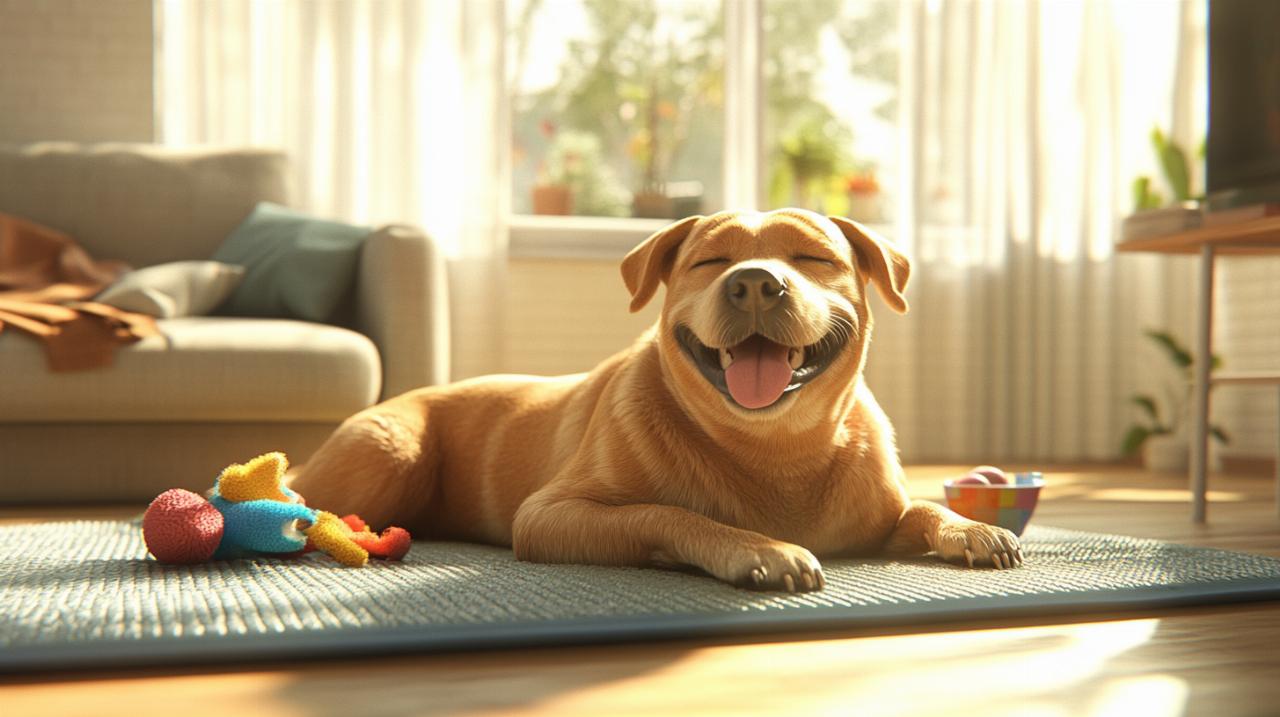
Dogs come in a remarkable variety of shapes and sizes, from diminutive toy breeds to substantial working dogs, and cooling mats are manufactured to accommodate this diversity. Smaller breeds may require only a modest mat measuring around fifty by forty centimetres, whilst larger breeds such as retrievers or German shepherds benefit from mats that extend to ninety by fifty centimetres or more. Observing how your dog typically rests can inform your choice, as some animals prefer to curl up whilst others stretch out fully. For households with multiple pets or particularly large breeds, extra-large options are available that provide ample space for comfortable lounging. The thickness of the mat also plays a role in its effectiveness, with thicker mats generally containing more gel and therefore offering a greater cooling capacity. When measuring your dog, consider their length from nose to tail when fully extended, and add a margin to ensure they can settle comfortably without hanging off the edges.
Comparing water-based versus self-cooling gel mats
Within the cooling mat market, two primary types exist, each with distinct characteristics and advantages. Water-filled mats rely on the thermal properties of water to absorb and dissipate heat, and they require filling before use. These mats can be effective but may present challenges if punctured, as they will leak and become unusable until repaired or replaced. In contrast, pressure-activated gel mats offer a maintenance-free alternative that requires no preparation or refilling. The self-cooling gel technology provides consistent performance without the risk of leakage, making these mats particularly suitable for busy households or for use during travel. Whilst water-filled options may feel slightly cooler initially, gel-based mats tend to maintain their cooling effect for longer periods and recharge more reliably between uses. The choice between these two types often comes down to personal preference and the specific needs of your dog. For animals that are particularly destructive or have a tendency to scratch at surfaces, the robust construction of gel mats may offer greater durability and longevity.
Real customer experiences and value assessment
The true measure of any pet product lies in the experiences of those who use it daily, and cooling mats have garnered considerable attention from dog owners across the country. Feedback from customers provides valuable insight into the practical performance of these products, helping prospective buyers understand what to expect and which features deliver the greatest benefit.
What pet owners are saying about cooling mat performance
Reviews from pet owners reveal a generally positive response to cooling mats, with many customers reporting that their dogs immediately took to the mats and showed clear signs of relief during warm weather. Numerous testimonials describe animals seeking out their cooling mats on hot days, often choosing them over other resting places in the home. Some owners note that the cooling effect is most pronounced during the first hour of use, with a gradual decrease in intensity thereafter, though the mats remain noticeably cooler than surrounding surfaces. A common observation is that dogs with thicker coats or those prone to overheating due to brachycephalic features particularly benefit from regular access to a cooling mat. However, a minority of customers report that their pets were initially hesitant to use the mat, sometimes requiring encouragement or strategic placement in favourite resting spots. Once acclimated, though, these same dogs often become devoted users. The durability of the mats receives mixed feedback, with some customers praising the longevity of their purchase after years of use, whilst others report premature wear or damage, often linked to pets with sharp claws or aggressive chewing habits.
Price Points and Delivery Options Across the UK Market
The cost of cooling mats varies considerably depending on size, brand, and features, with smaller mats for toy breeds starting at around fifteen to twenty pounds, whilst large or extra-large options for bigger dogs can reach fifty pounds or more. Premium brands that emphasise particularly durable construction or advanced gel formulations may command even higher prices. When evaluating value, it is important to consider not only the initial purchase price but also the expected lifespan of the product and the potential savings compared to alternatives such as air conditioning or multiple frozen items. Many retailers offer free delivery on cooling mats, particularly for orders above a certain threshold, making it convenient for pet owners to have products delivered directly to their homes. This service has become increasingly important for those with busy schedules or limited mobility, and the availability of next-day delivery options ensures that pets can benefit from cooling relief without delay during unexpected heatwaves. Some companies also provide satisfaction guarantees or trial periods, allowing customers to return products if they do not meet expectations or if their pets refuse to use them. These flexible purchasing terms add to the overall value proposition, reducing the risk associated with trying a new product. When shopping for a cooling mat, comparing prices across multiple retailers and reading detailed customer reviews can help ensure that you select a product that offers both quality and affordability, ultimately enhancing your pet's freshness and comfort throughout the warmer months.
 How to take care of a puppy?
 Creating a Spa Veranda: Material Selection and Relaxation Planning
 Brilliant Illumination and Space: Why the Exo Terra Terrarium 90x45x90 Remains the Ideal Choice for Your Reptile Enthusiast
 Eco-friendly cleaning with steam cleaners: A detailed comparison for chemical-free solutions
 How Do I Remove My Dog’s Hair Mats Safely? Targeted Brush and Detangling Methods for Sensitive Spots
 Interior decorating ideas to harness animal behavior tips with sage green and indoor plants
 Exploring animal adoption opportunities: a sustainable choice for compassionate living
 Budget Planning for Your Australian Shepherd: Understanding Dog Costs Beyond the Initial Price Tag
 Essential Animal Care Tips for a Cosy and Pet-Friendly Home
 Sustainable pet care tips: eco-friendly solutions for your home
 The Five Most Endearingly Crinkled Dog Breeds: A Complete Guide to Caring for Their Wrinkles
 Essential home tips for pet-friendly living spaces
 Creative Event Planning Ideas for a Memorable Experience
 Marine Protected Areas and the Guinean Angelfish: All About This Very Colourful Fish in Sanctuary Waters
 Effective Home Safety Tips for Households with Pets
 Understanding the Characteristics of Fox Terriers and Jack Russells: Best Exercise Activities to Keep Your Fox Terrier Thriving
 Celebrating the Afghan Hound: A Show Dog’s Journey to Westminster Glory
 Eco-Friendly Leads, Collars and Dog Accessories: A Complete Guide for Dogue de Bordeaux Breeds
 Canine Fashion: Accessorise Your Four-Legged Friend Like the Influencers – Social Media’s Impact on Dog Wardrobe Choices