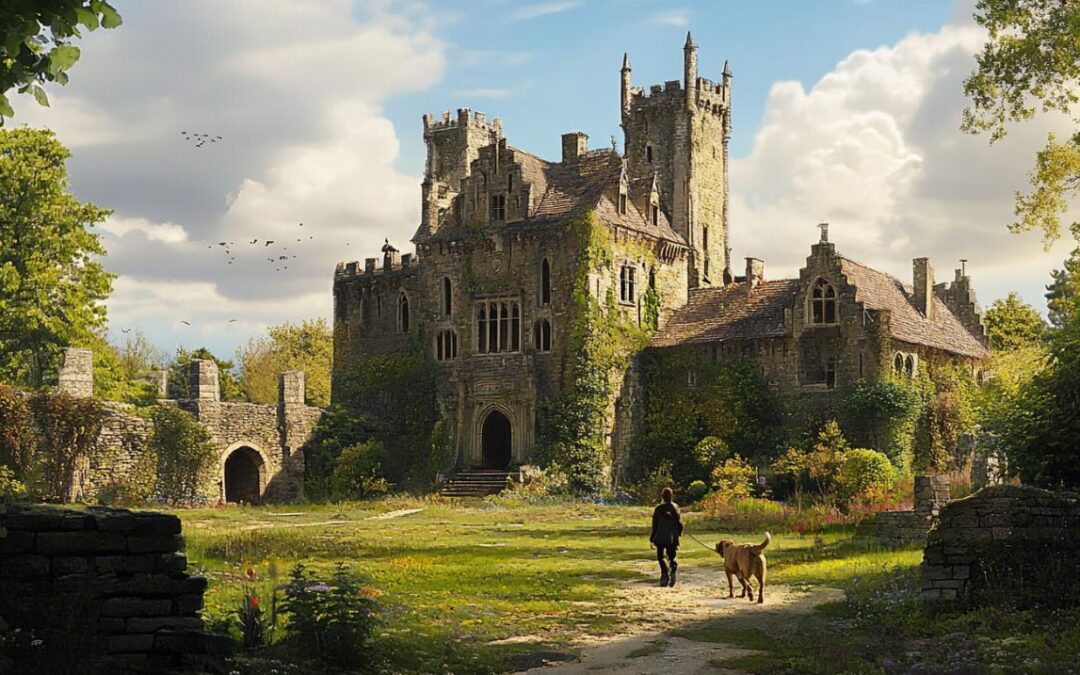
Exploring the grandeur of historic estates and ancient fortifications with your beloved canine companion can transform an ordinary day out into a truly memorable adventure. Across the United Kingdom and beyond into Europe, a growing number of castles and stately homes are opening their gates to dogs, recognising that many visitors would prefer to bring their four-legged friends along rather than leave them behind. Whether you are planning a leisurely stroll through manicured gardens or a more ambitious exploration of extensive parkland, understanding the rules, preparing adequately, and choosing the right destinations will ensure both you and your dog enjoy every moment of your historic outing.
Preparing Your Canine Companion for a Castle Adventure
Before you set off on your journey to visit any historic property, it is essential to ensure that your dog is ready for the experience. Castles and their surrounding grounds can present a range of environments, from open spaces to crowded courtyards, and your pet's comfort and behaviour will greatly influence the success of your visit. Taking the time to prepare properly will make the day enjoyable for everyone involved, including other visitors who share the space.
Essential Kit and Supplies for a Day Out at Historic Estates
A well-prepared dog owner is always equipped with the right supplies to handle any situation that might arise during a day out. First and foremost, a sturdy lead is absolutely necessary, as most dog-friendly castles require dogs to be kept on a short lead at all times. This helps to prevent any accidents, ensures your dog does not disturb wildlife or other visitors, and allows you to maintain control in potentially busy areas. It is also wise to bring along a supply of water and a portable bowl, particularly during warmer months when your dog may become thirsty after walking through extensive grounds. Do not forget waste bags, as responsible dog ownership means cleaning up after your pet wherever you go. Many historic sites provide bins, but carrying your own supply ensures you are never caught short. Additionally, packing a small first aid kit, some treats for rewarding good behaviour, and perhaps a favourite toy can help keep your dog calm and content throughout the visit.
Training and behavioural tips before your visit
Even the most well-behaved dogs can become excited or anxious in unfamiliar settings, so it is beneficial to reinforce basic training before heading out. Practising commands such as sit, stay, and heel in various environments will help your dog remain calm and obedient when surrounded by new sights, sounds, and smells. If your dog is not accustomed to being around large groups of people, consider visiting quieter locations first to build their confidence gradually. Socialisation is key, and ensuring your dog is comfortable around other animals and strangers will prevent any awkward or stressful encounters during your castle visit. It is also important to be mindful of your dog's temperament and energy levels. Some dogs thrive in bustling environments, while others may find them overwhelming. Knowing your pet's limits and planning your visit accordingly will help avoid unnecessary stress and ensure a pleasant day for everyone.
Dog-Friendly Castles Across the UK and Europe: Where Your Pooch is Welcome
The United Kingdom boasts an impressive array of historic sites that welcome dogs, ranging from medieval fortresses to elegant country estates. Similarly, parts of Europe, particularly France, offer stunning châteaux where dogs can accompany their owners through beautiful gardens and expansive grounds. Knowing which properties allow dogs and understanding their specific rules will help you plan your itinerary with confidence.

Exploring british castles with your four-legged friend
English Heritage and the National Trust manage many of the most iconic historic properties across England, and a significant number of these sites are dog-friendly, at least in their outdoor areas. For example, Dover Castle in Kent is a magnificent fortress that allows dogs to roam the extensive grounds, though they are not permitted inside the castle itself. Similarly, Bodiam Castle in East Sussex welcomes dogs in the grounds and even in the Castle-view café, although they are not allowed inside the main structure or the primary tearoom. Pevensey Castle, also in East Sussex, stands out as particularly accommodating, allowing dogs on leads throughout the entire site, including the museum and dungeon, making it one of the most accessible options for dog owners. Scotney Castle in Kent permits dogs on short leads in the garden, shop, and estate, offering a picturesque setting for a leisurely walk. Hever Castle, also in Kent, allows dogs on lead across its extensive grounds, and interestingly, dogs are even allowed on boats hired on the lake, though they are not permitted in the castle, mazes, playground, or dining areas. Chiddingstone Castle in Kent welcomes dogs in the grounds and tea room, providing a relaxed atmosphere for visitors with pets. Rochester Castle in Kent allows dogs in the grounds only, while Sissinghurst Castle Garden in Kent permits dogs on leads around the wider estate but not in the formal garden itself. In the north of England, Whitby Abbey in North Yorkshire is a popular choice, and in the southwest, Tintagel Castle in Cornwall offers dramatic coastal scenery for dog owners to explore. In the London area, Marble Hill provides a delightful green space where dogs are welcome. Each of these properties has its own specific rules regarding where dogs are allowed, so it is always advisable to check the latest information on their websites before your visit. Membership schemes offered by organisations such as English Heritage and the National Trust can provide excellent value, granting unlimited access to hundreds of sites and often including benefits such as free entry for children.
Continental gems: loire valley estates including azay-le-rideau and chaumont
Venturing beyond the British Isles, the Loire Valley in France is renowned for its breathtaking châteaux, and many of these historic estates are happy to welcome dogs in their gardens and grounds. Azay-le-Rideau, with its elegant Renaissance architecture and beautifully landscaped gardens, offers a wonderful setting for a leisurely walk with your dog. Similarly, Chaumont-sur-Loire is another Loire Valley gem where dogs are often permitted in the outdoor spaces, allowing visitors to enjoy the stunning views and immaculate grounds alongside their canine companions. When planning a visit to these continental estates, it is important to check each property's specific pet policy, as rules can vary. Some châteaux may require dogs to be kept on a lead at all times, while others may have restrictions during certain events or peak visiting periods. Nevertheless, the opportunity to explore these magnificent estates with your dog can add an extra dimension to your holiday, combining cultural enrichment with quality time spent with your pet.
Navigating Castle Grounds and Gardens: Etiquette and Best Practices
Once you arrive at your chosen historic site, understanding the etiquette and best practices for visiting with a dog will help ensure a smooth and enjoyable experience. Respecting the rules and being considerate of other visitors, staff, and the property itself is essential for maintaining the privilege of bringing dogs to these cherished locations.
Understanding access rules: inside the castle versus outdoor spaces
One of the most important distinctions to understand is that while many castles and estates welcome dogs in their grounds, gardens, and parkland, access to indoor areas is often restricted. This is typically due to concerns about preserving delicate interiors, protecting historic artefacts, and maintaining a comfortable environment for all visitors. For example, at Powis Castle in Wales, dogs are allowed in the car park and main courtyard where there are outdoor tables at the Courtyard Café, but they are not permitted inside the café itself or in the castle's interior spaces. From November to February, dogs on leads can also explore the gardens, but during the main visiting season, access may be more limited. The wider estate and parkland surrounding Powis Castle is privately owned by Powis Estates, and dogs are not allowed anywhere in this area, on or off leads. This example illustrates the importance of checking the specific rules for each property, as they can vary significantly. Assistance dogs are generally allowed in all indoor spaces, reflecting a commitment to accessibility and inclusivity. By respecting these rules and planning your visit accordingly, you can ensure that you and your dog have access to the areas where you are welcome while avoiding any disappointment or confusion.
Keeping your dog safe and happy during your historic tour
Ensuring your dog's safety and happiness is paramount during your visit. Keeping your dog on a short lead is not only a requirement at most dog-friendly castles, but it is also a sensible precaution that helps prevent accidents, protects wildlife, and ensures your pet does not disturb other visitors. Watch for any signs regarding dog restrictions, as certain areas may have specific rules due to conservation efforts or safety concerns. Always clean up after your dog promptly, using the waste bins provided or carrying bags with you if necessary. This simple act of responsibility helps maintain the beauty and cleanliness of the estate and ensures that dogs continue to be welcome in the future. Be mindful of your dog's behaviour around other people, particularly children, who may be excited or frightened by the presence of animals. If your dog shows signs of stress or fatigue, find a quiet spot to rest, offer water, and consider cutting your visit short if necessary. Many historic sites offer walking trails of varying lengths, such as the one-mile autumn walk or historical walk available at some properties, which can be a pleasant way to explore the grounds at a relaxed pace. By following the Canine Code and being considerate of others, you contribute to a positive environment where dogs are valued members of the visitor community. With careful planning, respect for the rules, and a thoughtful approach to your dog's needs, a visit to a castle or historic estate can be a truly rewarding experience that strengthens the bond between you and your four-legged friend.
 How to take care of a puppy?
 Creating a Spa Veranda: Material Selection and Relaxation Planning
 Brilliant Illumination and Space: Why the Exo Terra Terrarium 90x45x90 Remains the Ideal Choice for Your Reptile Enthusiast
 Eco-friendly cleaning with steam cleaners: A detailed comparison for chemical-free solutions
 How Do I Remove My Dog’s Hair Mats Safely? Targeted Brush and Detangling Methods for Sensitive Spots
 Interior decorating ideas to harness animal behavior tips with sage green and indoor plants
 Exploring animal adoption opportunities: a sustainable choice for compassionate living
 Budget Planning for Your Australian Shepherd: Understanding Dog Costs Beyond the Initial Price Tag
 Essential Animal Care Tips for a Cosy and Pet-Friendly Home
 Sustainable pet care tips: eco-friendly solutions for your home
 The Five Most Endearingly Crinkled Dog Breeds: A Complete Guide to Caring for Their Wrinkles
 Essential home tips for pet-friendly living spaces
 Creative Event Planning Ideas for a Memorable Experience
 Marine Protected Areas and the Guinean Angelfish: All About This Very Colourful Fish in Sanctuary Waters
 Effective Home Safety Tips for Households with Pets
 Understanding the Characteristics of Fox Terriers and Jack Russells: Best Exercise Activities to Keep Your Fox Terrier Thriving
 Celebrating the Afghan Hound: A Show Dog’s Journey to Westminster Glory
 Eco-Friendly Leads, Collars and Dog Accessories: A Complete Guide for Dogue de Bordeaux Breeds
 Canine Fashion: Accessorise Your Four-Legged Friend Like the Influencers – Social Media’s Impact on Dog Wardrobe Choices
 Cooling Mat for Dogs: Our Opinion on How Non-Toxic Gel Technology Supports Natural Heat Regulation