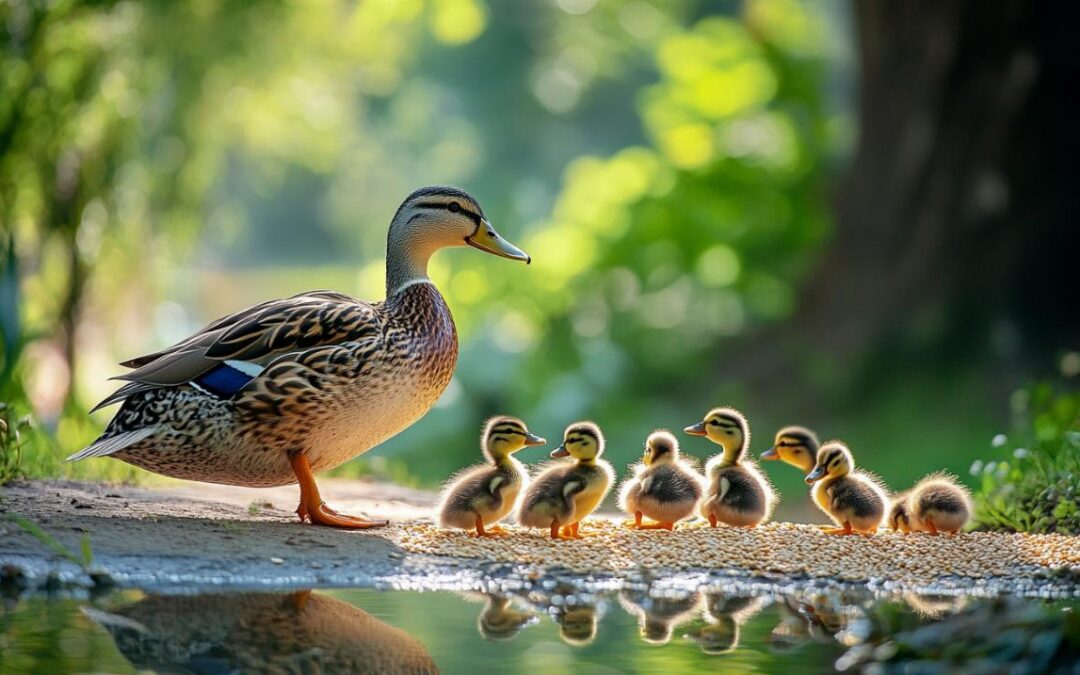
Visiting a local pond or canal to feed ducks can be a delightful experience for people of all ages, offering a simple yet meaningful connection with nature. However, understanding the appropriate quantity of food to provide and selecting healthier alternatives to traditional bread is essential for the wellbeing of these waterfowl. By adopting responsible feeding practices, enthusiasts can ensure that their feathered friends remain healthy while also protecting the surrounding environment from unintended harm.
Understanding proper portion sizes for ducks
The small handful rule: how much is enough?
When it comes to determining the right amount of food to offer ducks, moderation is absolutely crucial. A small handful of suitable food per duck is generally considered sufficient for a single feeding session. This approach ensures that the birds receive a supplementary treat without being overfed, which can lead to a range of health issues. The key is to observe the ducks as they eat; if they begin to lose interest or leave food behind, it is a clear signal to stop feeding. Overfeeding not only risks the health of individual ducks but can also lead to uneaten food accumulating in the water, creating environmental challenges such as water pollution and the attraction of unwanted vermin like rats.
Factors that influence feeding quantities
Several factors can influence the appropriate quantity of food to give to ducks during any particular visit. The nutritional density of the food being offered plays a significant role, as some alternatives are far more nutrient-rich than others, meaning smaller portions may be adequate. Additionally, the natural foraging behaviour of ducks must be taken into account. These birds are designed to spend a considerable portion of their day searching for their own food, which includes seeds, acorns, berries, plants, insects, and even shellfish. Supplementary feeding should never replace this natural diet but rather complement it. Seasonal variations, the availability of natural food sources, and the overall health and activity level of the duck population in a given area can also impact how much additional food is necessary or beneficial.
Nutritious Alternatives to Bread for Duck Feeding
Wholesome food options that ducks actually need
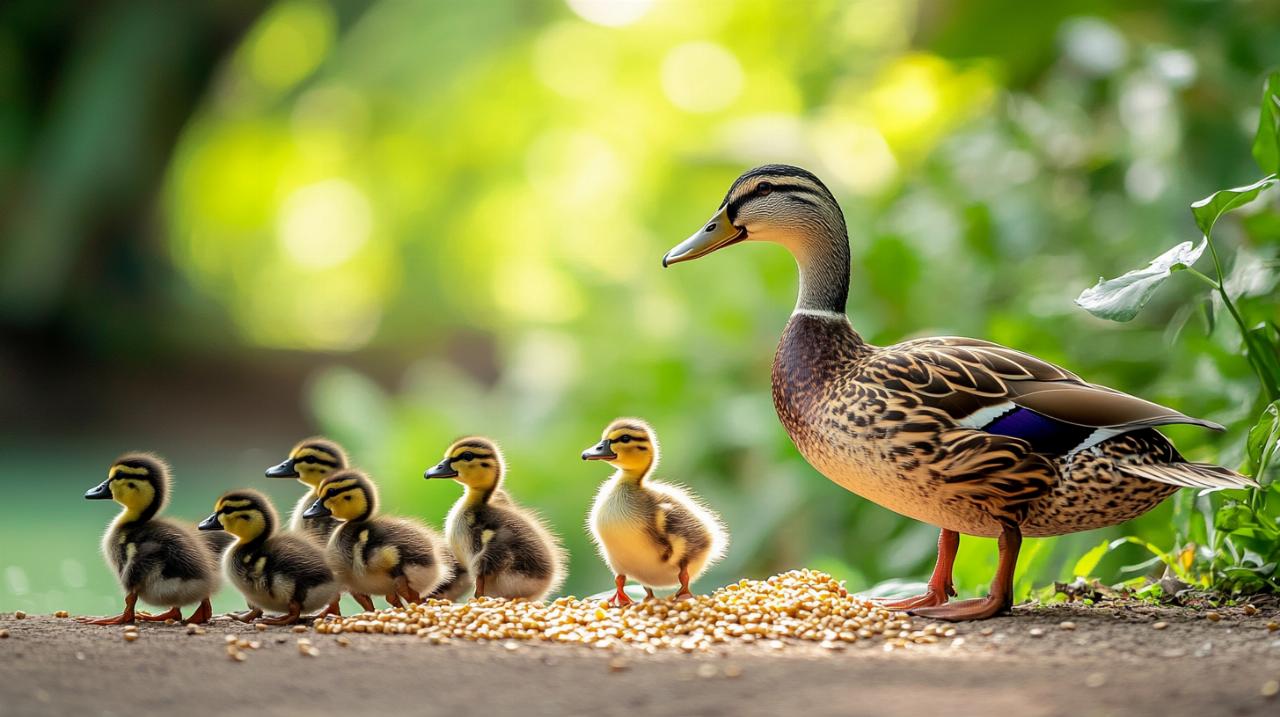
While bread has long been a popular choice for feeding ducks, it is far from ideal due to its low nutritional value. Fortunately, there are numerous healthier alternatives that better align with the dietary needs of waterfowl. Sweetcorn, whether tinned, frozen, or fresh, is an excellent option that ducks tend to enjoy. Leafy greens such as lettuce, rocket, kale, and iceberg varieties provide essential vitamins and minerals. Frozen peas, which should be defrosted before feeding, are another favourite among ducks and offer a good source of nutrition. Oats in various forms, including flapjacks, rolled oats, and porridge oats, are also suitable and provide energy. Seeds, such as bird seed or fruit and nut mixes, closely mimic the natural diet of ducks. Finally, rice, whether cooked or uncooked, is a safe and nutritious choice that can be offered in bite-sized portions to make it easier for the ducks to consume.
Why traditional bread isn't suitable for waterfowl
Bread, despite its convenience and widespread use, poses several significant problems when fed to ducks. Its low nutritional value means that it offers little in the way of the essential nutrients that these birds require for optimal health. Consuming large quantities of bread can fill ducks up without providing the vitamins, minerals, and proteins they need, potentially leading to malnutrition over time. Mouldy bread is particularly dangerous, as it can make ducks poorly and cause serious health complications. Beyond the direct impact on the birds themselves, uneaten bread left in or around water can attract vermin such as rats, creating public health concerns. Furthermore, decomposing bread contributes to environmental problems, including water pollution and algal blooms, which can harm aquatic ecosystems and negatively affect other wildlife. Recognising these issues highlights the importance of choosing more appropriate food options when visiting ducks.
Balancing supplementary feeding with natural foraging
Allowing ducks to source their own natural diet
Ducks are naturally adept foragers, and their diet in the wild is diverse and well-balanced. They consume seeds, acorns, berries, various plants, insects, and shellfish, all of which provide the nutrients necessary for their survival and reproduction. Supplementary feeding by humans should be seen as just that: a supplement rather than a primary food source. Encouraging ducks to continue their natural foraging behaviour is vital for maintaining their physical health and mental stimulation. When ducks rely too heavily on human-provided food, they may become less inclined to seek out the varied diet they would naturally consume, potentially leading to nutritional imbalances. Therefore, it is important to feed sparingly and to ensure that any food offered is in bite-sized portions that are easy for the ducks to manage without disrupting their natural feeding patterns.
Avoiding overfeeding and weight management concerns
One of the most pressing concerns associated with feeding ducks is the risk of overfeeding, which can lead to obesity and related health problems. Ducks that consume excessive amounts of human-provided food, particularly those low in nutritional value, can quickly gain weight, which affects their ability to fly, swim efficiently, and evade predators. Obesity can also lead to a range of other health issues, including liver disease and a weakened immune system. To avoid these problems, it is essential to feed ducks sparingly and to stop offering food once they show signs of disinterest. Additionally, visitors should always dispose of any leftover food and rubbish carefully to prevent environmental damage and avoid attracting vermin. It is equally important to avoid disturbing the ducks, particularly young ones, as stress can negatively impact their development and overall wellbeing. By following these responsible feeding practices, individuals can enjoy the pleasure of interacting with ducks while supporting their health and the health of their environment.