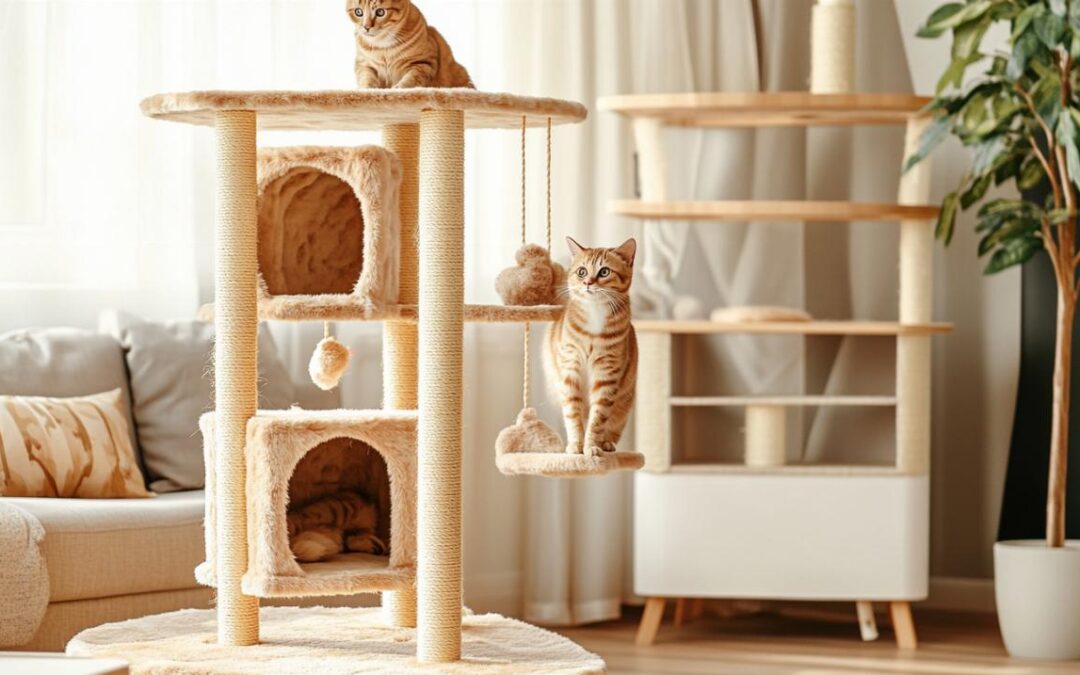
Creating a secure and engaging environment for your feline companions involves more than simply placing furniture around your home. A well-constructed cat tree serves as a vital piece of equipment that not only satisfies your cat's natural instincts to climb and scratch but also ensures their physical safety and mental stimulation. With a wide array of designs, materials, and features available, understanding what makes a cat tree truly safe can help you make an informed decision that benefits both you and your pets. From the sturdiness of the base to the quality of the scratching surfaces, every element plays a crucial role in preventing accidents and promoting healthy behaviour.
Essential Materials for Sturdy and Safe Cat Trees
When it comes to selecting a cat tree that prioritises safety, the materials used in its construction are paramount. The foundation of any reliable cat tree starts with a solid wood base, which provides the necessary weight and stability to prevent tipping or wobbling, even when your cat leaps onto the highest platform. Solid wood offers superior resistance to wear and tear compared to particle board or lightweight alternatives, ensuring that the structure remains robust over time. This durability is especially important in multi-cat households where the tree will see frequent use and considerable activity. Choosing a cat tree crafted from quality wood not only enhances its longevity but also reduces the risk of structural failure that could lead to injuries from falls.
Why solid wood bases provide superior stability
A solid wood base acts as the anchor for the entire cat tree, distributing weight evenly and maintaining balance during vigorous play sessions. Lightweight cat trees constructed from flimsy materials are prone to tipping, which can frighten your cat and potentially cause serious harm. By investing in a model with a substantial wooden foundation, you ensure that even the most energetic feline will be supported safely. This stability is particularly crucial for larger breeds such as Maine Coons, which require extra space and reinforcement to accommodate their size. Moreover, a stable base contributes to your cat's confidence in using the tree regularly, as they instinctively seek out secure perches and resting areas.
The Role of Quality Sisal Rope in Preventing Scratching Post Accidents
Equally important to the structural integrity of a cat tree is the quality of the sisal rope used to cover scratching posts. Sisal is a natural fibre that provides an ideal texture for cats to maintain their claws, mark their territory, and satisfy their instinctual need to scratch. High-quality sisal rope is tightly wound and securely fastened, preventing fraying or unravelling that could expose sharp edges or create hazards. Inferior materials may degrade quickly, leaving loose strands that can entangle a cat's claws or create splinters, both of which pose safety risks. When evaluating cat trees, examine the sisal carefully to ensure it is firmly attached and shows no signs of wear, as this will help prevent accidents and ensure the longevity of the scratching surfaces.
Design features that enhance feline safety and security
Beyond the materials, the design of a cat tree significantly influences how safe and secure your pet will feel while using it. Multi-platform structures are popular for their ability to accommodate multiple cats and provide varied resting and play areas. However, the spacing and support of these platforms must be carefully considered to prevent falls and injuries. Platforms should be large enough for your cat to turn around comfortably and positioned at intervals that allow for safe jumping without overextension. Additionally, the presence of guardrails or raised edges on platforms can offer extra security, particularly for kittens or elderly cats who may be less agile. A thoughtfully designed cat tree encourages natural climbing behaviour while minimising the potential for mishaps.
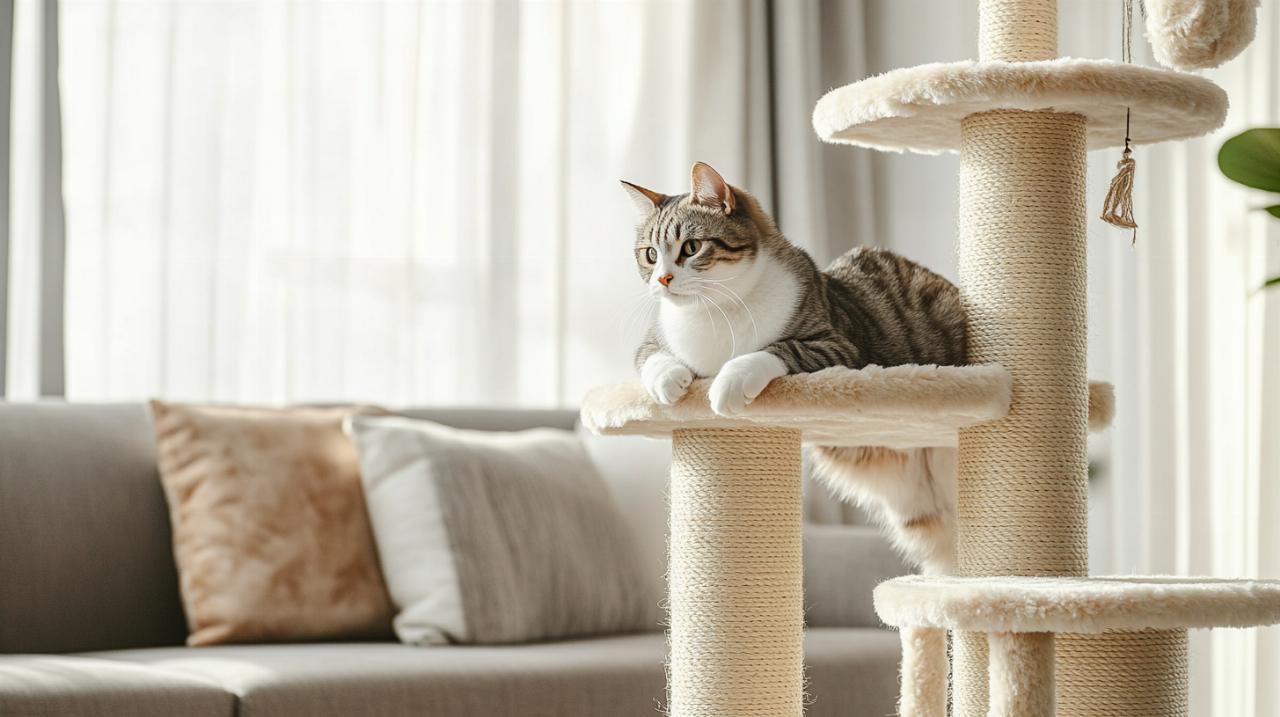
Multi-platform structures: spacing and support considerations
Multi-level cat trees cater to the natural inclination of cats to survey their surroundings from elevated positions. When selecting such a model, ensure that the vertical spacing between platforms is appropriate for your cat's size and agility. Platforms that are too far apart may discourage use or lead to awkward jumps that could result in injury. Conversely, platforms that are too close together may not provide sufficient exercise or challenge for an active cat. The support beams connecting these levels should be robust and capable of bearing the full weight of your cat without flexing or wobbling. Reinforced joints and secure fastenings are essential to maintain the integrity of the structure under repeated use. Additionally, the inclusion of hammocks and resting areas at various heights can provide safe spots for relaxation, reducing the need for risky leaps.
Wall-Mounted Options Versus Freestanding Models for Space and Stability
For households with limited floor space, wall-mounted cat trees offer an innovative solution that maximises vertical territory without cluttering the room. These designs attach directly to the wall, providing a stable platform that eliminates the risk of tipping. However, proper installation is critical to ensure that the mounting brackets are securely anchored into wall studs or other solid structures capable of supporting the weight of the cat tree and its occupants. Wall-mounted options are particularly advantageous in homes with multiple cats, as they free up floor space while still offering ample climbing and resting areas. On the other hand, freestanding models provide greater flexibility in placement and can be repositioned as needed, making them ideal for renters or those who frequently rearrange their living spaces. When choosing between these options, consider the specific needs of your home and your cat's behaviour to determine which design will best promote both safety and convenience.
Choosing the Right Cat Tree for Different Breeds and Sizes
Not all cat trees are created equal, and selecting a model that suits your cat's breed and size is essential for ensuring both safety and comfort. Larger breeds require more spacious platforms and sturdier construction to support their weight, while smaller or more sedentary cats may benefit from compact designs with cosy enclosed spaces. Understanding the unique needs of your feline friend will help you identify the features that matter most, from the height of the tree to the size of the scratching posts. By tailoring your choice to your cat's individual characteristics, you can create an environment that encourages healthy activity and reduces the risk of accidents.
XXL Models for Maine Coons and Larger Felines: What Makes Them Safe
Maine Coons and other large breeds present unique challenges when it comes to selecting appropriate cat furniture. These cats can weigh upwards of eight kilograms, necessitating a tree that is not only taller but also reinforced to handle their substantial size. XXL models feature wider platforms, thicker support posts, and heavier bases to accommodate the extra weight and prevent tipping. The scratching posts on these trees are often taller as well, allowing full-body stretches that are essential for maintaining healthy muscle tone and claw condition. When evaluating XXL cat trees, pay close attention to the specifications provided by manufacturers, including weight limits and material composition, to ensure that the product will meet the demands of your larger pet. Additionally, consider models with multiple entry and exit points to allow for safe navigation, as larger cats may find it more difficult to manoeuvre in tight spaces.
Evaluating Trusted Brands Like Trixie for Quality and Durability
Brand reputation can serve as a valuable indicator of quality and safety when selecting a cat tree. Trixie, a well-regarded name in the pet furniture industry, is known for producing durable and thoughtfully designed cat trees that prioritise both aesthetics and functionality. Products from established brands typically undergo rigorous testing and adhere to safety standards that ensure non-toxic materials and secure construction. Customer reviews and veterinary recommendations can provide additional insight into the real-world performance of a cat tree, highlighting potential issues or confirming the reliability of a particular model. While budget-friendly options may be tempting, investing in a reputable brand often translates to better long-term value, as these products are less likely to require frequent replacement or pose safety hazards. Whether you opt for a premium design from Vesper or a more affordable option from Amazon Basics or Cozy Pet, prioritising quality and stability will ultimately benefit your cat's well-being and provide you with peace of mind.
 How to take care of a puppy?
 Creating a Spa Veranda: Material Selection and Relaxation Planning
 Brilliant Illumination and Space: Why the Exo Terra Terrarium 90x45x90 Remains the Ideal Choice for Your Reptile Enthusiast
 Eco-friendly cleaning with steam cleaners: A detailed comparison for chemical-free solutions
 How Do I Remove My Dog’s Hair Mats Safely? Targeted Brush and Detangling Methods for Sensitive Spots
 Interior decorating ideas to harness animal behavior tips with sage green and indoor plants
 Exploring animal adoption opportunities: a sustainable choice for compassionate living
 Budget Planning for Your Australian Shepherd: Understanding Dog Costs Beyond the Initial Price Tag
 Essential Animal Care Tips for a Cosy and Pet-Friendly Home
 Sustainable pet care tips: eco-friendly solutions for your home
 The Five Most Endearingly Crinkled Dog Breeds: A Complete Guide to Caring for Their Wrinkles
 Essential home tips for pet-friendly living spaces
 Creative Event Planning Ideas for a Memorable Experience
 Marine Protected Areas and the Guinean Angelfish: All About This Very Colourful Fish in Sanctuary Waters
 Effective Home Safety Tips for Households with Pets
 Understanding the Characteristics of Fox Terriers and Jack Russells: Best Exercise Activities to Keep Your Fox Terrier Thriving
 Celebrating the Afghan Hound: A Show Dog’s Journey to Westminster Glory
 Eco-Friendly Leads, Collars and Dog Accessories: A Complete Guide for Dogue de Bordeaux Breeds
 Canine Fashion: Accessorise Your Four-Legged Friend Like the Influencers – Social Media’s Impact on Dog Wardrobe Choices
 Cooling Mat for Dogs: Our Opinion on How Non-Toxic Gel Technology Supports Natural Heat Regulation
 The Ultimate Guide to Visiting a Castle with a Dog: Tips and Best Practices for UK and European Estates