Cats have long captivated us with their enigmatic behaviour and independent nature, yet beneath their aloof exterior lies a complex psychological world shaped by instinct and environment. One of the most effective ways to nurture your feline companion's mental health is through play, particularly with toys you can craft at home using everyday materials. Understanding the science behind feline play not only deepens your bond with your pet but also contributes significantly to their overall well-being.
Understanding feline psychology: why play matters for your cat's wellbeing
The natural hunting instinct and mental stimulation
At the heart of feline behaviour lies an intrinsic drive to hunt, a survival mechanism honed over millennia. Even though domestic cats no longer need to catch their own meals, this predatory instinct remains deeply embedded in their psychology. Play serves as a vital outlet for this natural behaviour, allowing cats to simulate the stalking, pouncing, and capturing sequences they would perform in the wild. Dr. Mikel Maria Delgado, a cat behaviour consultant with over two decades of experience, emphasises in her work that play mimics hunting behaviour, which is essential for a cat's health and well-being. When cats engage in activities that stimulate these instincts, they experience mental enrichment that prevents boredom and keeps their cognitive functions sharp. Without adequate mental stimulation, cats can develop behavioural issues ranging from destructive tendencies to withdrawal and lethargy. Providing opportunities for your cat to express these natural behaviours through play is not merely a form of entertainment but a fundamental aspect of responsible pet care that addresses their psychological needs.
How Interactive Play Reduces Stress and Anxiety in Domestic Cats
Modern living environments can present challenges for cats, who may experience anxiety related to confinement, lack of stimulation, or changes in routine. Interactive play acts as a powerful therapeutic tool, offering a constructive outlet for pent-up energy and tension. When cats engage in play, their brains release endorphins and other neurochemicals that promote feelings of satisfaction and calm. This biological response mirrors the reward system activated during successful hunting in their wild counterparts. Regular play sessions can significantly reduce stress markers in cats, leading to improvements in overall temperament and behaviour. For cats dealing with anxiety or those who exhibit signs of nervousness, structured play provides predictability and control, two elements that are crucial for mental stability. The act of focusing on a toy, tracking its movements, and successfully capturing it gives cats a sense of accomplishment and purpose. This is particularly important for indoor cats who lack the environmental variety and challenges that outdoor environments naturally provide. By incorporating consistent play routines into your cat's daily schedule, you create a framework that supports their emotional resilience and contributes to a more balanced, contented life.
Crafting Safe and Engaging Homemade Cat Toys from Everyday Materials
Transforming Cardboard Boxes and Paper Rolls into Interactive Entertainment
One of the delights of cat ownership is discovering how much joy your pet can derive from the simplest objects. Cardboard boxes, for instance, offer endless possibilities for exploration and play. Cats are naturally drawn to enclosed spaces where they feel secure and can observe their surroundings from a position of safety. By cutting openings of various sizes into a cardboard box, you create a stimulating environment that encourages investigation and play. Your cat can dart in and out, hide within, or use the structure as a vantage point for surveying their territory. Similarly, empty paper rolls from kitchen or toilet paper can be transformed into engaging toys with minimal effort. These cylinders can be stuffed with crinkled paper or small amounts of catnip to pique curiosity, or simply rolled across the floor to trigger your cat's chase response. The lightweight nature of these materials means they move unpredictably, mimicking the erratic movements of prey and heightening the excitement of the hunt. You might also consider creating tunnels by connecting multiple boxes or arranging them in configurations that challenge your cat to navigate through obstacles. Such arrangements tap into your cat's natural problem-solving abilities and provide physical exercise alongside mental engagement. The beauty of using everyday materials like cardboard and paper is that they are readily available, cost-effective, and can be easily replaced or reconfigured to maintain novelty and interest.
Selecting non-toxic materials: a guide to safe diy cat toy construction
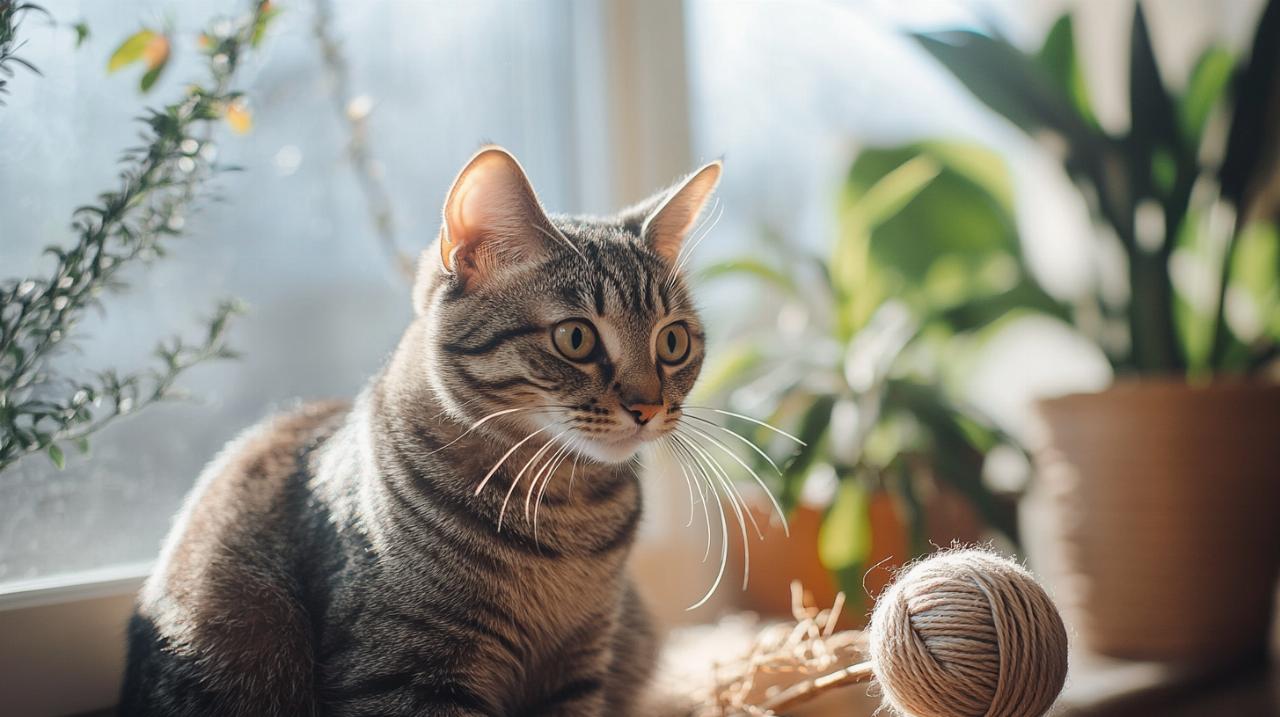
While creativity is encouraged when crafting homemade toys for your cat, safety must always remain the paramount consideration. Cats explore the world through their mouths, which means any toy you create should be free from toxic substances and small parts that could pose choking hazards. When selecting materials, prioritise items that are made from natural, untreated substances. Cardboard and paper products should be free from glossy coatings, excessive ink, or chemical treatments that could be harmful if ingested. Wood can also be an excellent material for DIY toys, provided it is smooth, splinter-free, and untreated with varnishes or paints that contain toxic compounds. Avoid using string, yarn, or elastic bands in unsupervised play, as these can cause intestinal blockages if swallowed. Instead, opt for sturdy fabrics or felt that can withstand vigorous play without fraying into dangerous threads. Corks from wine bottles make wonderful lightweight toys that cats enjoy batting around, but ensure they are whole and not breaking apart into smaller pieces. Always inspect homemade toys regularly for signs of wear and tear, replacing them before they become hazardous. By taking these precautions, you create a play environment that nurtures your cat's physical and mental health without compromising their safety. Remember that even the most well-intentioned toy can become dangerous if it deteriorates, so vigilance and regular maintenance are essential components of responsible pet ownership.
Maximising your cat's engagement: techniques for successful homemade toys
Incorporating Treats and Scents to Boost Curiosity and Interest
Enhancing the appeal of homemade toys often requires thinking like a cat, considering what sensory experiences will capture their attention and hold it. One highly effective technique is to incorporate food rewards into your toy designs. By hiding small treats within a cardboard box or puzzle structure, you transform a simple object into a rewarding challenge that engages both your cat's mind and their appetite. This approach taps into the foraging behaviour that cats would naturally exhibit in the wild, where finding and securing food requires problem-solving and persistence. You might create a treasure hunt by placing treats in various compartments of a multi-box structure, encouraging your cat to investigate each section thoroughly. Scent is another powerful tool for increasing engagement. Cats have a highly developed olfactory system, and introducing familiar or intriguing scents can make a toy irresistible. Catnip is the most well-known option, but other herbs such as silvervine or valerian root can also elicit playful responses in cats. Rubbing a toy with a small amount of these substances or tucking dried herbs into fabric pouches adds an extra dimension of interest. Even non-edible scents from your daily life can attract your cat's attention; a toy that carries the scent of your hands or other pets can become more appealing simply because it smells familiar. The combination of scent, texture, and the potential for food rewards creates a multi-sensory experience that keeps your cat engaged and motivated to interact with the toys you create.
Designing toys that satisfy your cat's natural predatory behaviour
The most successful homemade toys are those that closely mimic the characteristics of prey, allowing your cat to fully express their hunting instincts. Movement is a critical factor; toys that skitter, roll unpredictably, or dangle tantalizingly out of reach are far more likely to trigger your cat's chase response than static objects. Consider crafting toys that can be suspended from doorways or furniture, creating the illusion of a bird or insect hovering just beyond reach. A simple feather attached to a string and secured to a stick becomes a wand toy that you can manipulate to simulate the erratic flight patterns of prey. The key is variability; changing the speed, direction, and height of the toy's movement keeps your cat alert and engaged. Similarly, toys that make noise can enhance the predatory experience. The rustle of paper, the crinkle of cellophane, or the gentle rattle of small objects inside a container all provide auditory cues that heighten excitement and focus. When designing your toys, think about the size and weight as well. Prey-sized objects that your cat can easily grasp, carry, and bat around tend to be more satisfying than oversized items. Creating toys that allow your cat to complete the entire predatory sequence, from stalking through to capturing and manipulating the prize, provides the most comprehensive mental and physical workout. Dr. Delgado's research underscores that play mimicking hunting behaviour is not merely recreational but essential for maintaining a cat's health and happiness. By thoughtfully designing toys that honour these natural instincts, you offer your cat more than simple amusement; you provide meaningful enrichment that supports their psychological well-being and contributes to a fulfilling, balanced life.
 How to take care of a puppy?
 Creating a Spa Veranda: Material Selection and Relaxation Planning
 Brilliant Illumination and Space: Why the Exo Terra Terrarium 90x45x90 Remains the Ideal Choice for Your Reptile Enthusiast
 Eco-friendly cleaning with steam cleaners: A detailed comparison for chemical-free solutions
 How Do I Remove My Dog’s Hair Mats Safely? Targeted Brush and Detangling Methods for Sensitive Spots
 Interior decorating ideas to harness animal behavior tips with sage green and indoor plants
 Exploring animal adoption opportunities: a sustainable choice for compassionate living
 Budget Planning for Your Australian Shepherd: Understanding Dog Costs Beyond the Initial Price Tag
 Essential Animal Care Tips for a Cosy and Pet-Friendly Home
 Sustainable pet care tips: eco-friendly solutions for your home
 The Five Most Endearingly Crinkled Dog Breeds: A Complete Guide to Caring for Their Wrinkles
 Essential home tips for pet-friendly living spaces
 Creative Event Planning Ideas for a Memorable Experience
 Marine Protected Areas and the Guinean Angelfish: All About This Very Colourful Fish in Sanctuary Waters
 Effective Home Safety Tips for Households with Pets
 Understanding the Characteristics of Fox Terriers and Jack Russells: Best Exercise Activities to Keep Your Fox Terrier Thriving
 Celebrating the Afghan Hound: A Show Dog’s Journey to Westminster Glory
 Eco-Friendly Leads, Collars and Dog Accessories: A Complete Guide for Dogue de Bordeaux Breeds
 Canine Fashion: Accessorise Your Four-Legged Friend Like the Influencers – Social Media’s Impact on Dog Wardrobe Choices
 Cooling Mat for Dogs: Our Opinion on How Non-Toxic Gel Technology Supports Natural Heat Regulation
 The Ultimate Guide to Visiting a Castle with a Dog: Tips and Best Practices for UK and European Estates
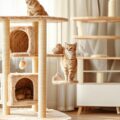 The Best Cat Tree Materials for Safety: What to Look for to Keep Your Feline Friends Secure