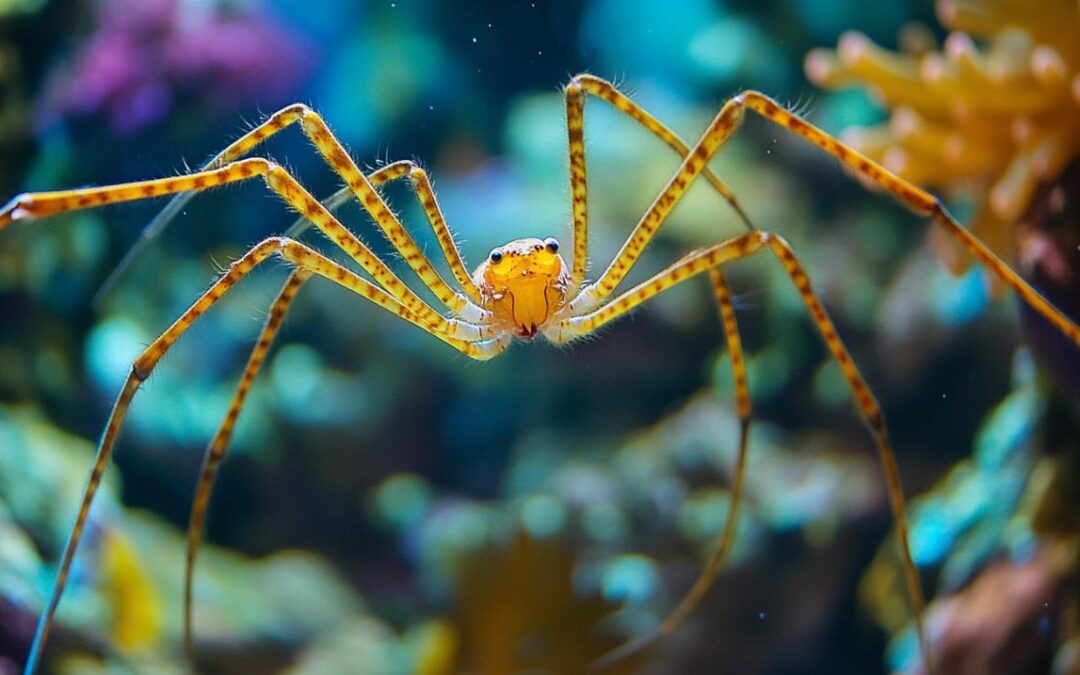
The marine world harbours countless mysteries, and among the most fascinating of these are the enigmatic creatures known as sea spiders. These peculiar arthropods, scientifically classified under the order Pantopoda, have recently captured the attention of researchers and enthusiasts alike. Whilst the term 'sea spider' might conjure images of eight-legged arachnids scuttling across the ocean floor, the reality is far more intriguing. These marine arthropods are neither true spiders nor crustaceans, yet they possess a unique charm and ecological significance that warrants closer examination. With their delicate frames and four pairs of legs, sea spiders represent a lineage that has endured through geological epochs, offering valuable insights into marine life conservation and the broader tapestry of biodiversity.
Understanding crab species: diversity across british coastal waters
The coastal waters surrounding the United Kingdom are teeming with a remarkable array of crab species, each contributing to the region's rich marine heritage. From the rocky shores of Cornwall to the sandy estuaries of East Anglia, these crustaceans occupy a diverse range of habitats. The edible crab, known scientifically as Cancer pagurus, is perhaps the most iconic, recognised by its robust shell and powerful claws. Alongside it, the velvet swimming crab and the shore crab populate the intertidal zones, demonstrating adaptability to fluctuating environmental conditions. These species not only support local fisheries but also serve as indicators of ecosystem health, reflecting changes in water quality and habitat integrity.
Common crab varieties found along the uk coastline
British waters host a fascinating variety of crab species, each displaying distinct characteristics and ecological preferences. The spider crab, with its long, spindly legs and triangular carapace, is a familiar sight in deeper waters, whilst the hermit crab, lacking a hard shell of its own, ingeniously inhabits abandoned mollusc shells for protection. In the sheltered coves and rock pools, the shore crab thrives, displaying remarkable resilience to temperature shifts and salinity variations. Meanwhile, the brown crab, prized for its succulent meat, is a mainstay of commercial fishing operations. The diversity of these species underscores the complexity of marine ecosystems and the myriad niches that crustaceans have evolved to exploit. Each variety contributes uniquely to the ecological mosaic, interacting with other organisms in ways that maintain the balance of life beneath the waves.
Anatomical features that define crab classification
The classification of crabs hinges on a suite of anatomical features that distinguish them from other arthropods. Central to this is the carapace, a hard exoskeletal structure that encases and protects the body. The shape, texture, and colouration of the carapace can vary dramatically between species, providing vital clues for identification. Crabs possess five pairs of legs, with the first pair typically modified into claws or chelae, which serve both offensive and defensive functions. The remaining pairs are adapted for locomotion, enabling crabs to navigate rocky substrates, burrow into sediments, or swim through open water. Beyond these visible traits, internal anatomy such as gill structure and digestive systems further refine taxonomic placement. Understanding these features is essential for marine biologists seeking to catalogue biodiversity and trace evolutionary relationships across the arthropod lineage.
The Ecological Significance of Crabs in Marine Ecosystems
Crabs occupy a pivotal position within marine ecosystems, acting as both predators and prey whilst contributing to nutrient cycling and habitat structuring. Their presence influences the composition of benthic communities, shaping the distribution and abundance of other organisms. As omnivores, crabs consume a wide variety of organic material, from algae and detritus to small invertebrates and carrion. This dietary flexibility allows them to exploit multiple trophic levels, linking disparate components of the food web. Furthermore, their burrowing activities aerate sediments and facilitate the decomposition of organic matter, enhancing nutrient availability for microorganisms and plants. Such ecosystem engineering roles underscore the importance of crabs in maintaining the structural and functional integrity of coastal and marine environments.
Crabs as Natural Ecosystem Engineers and Scavengers
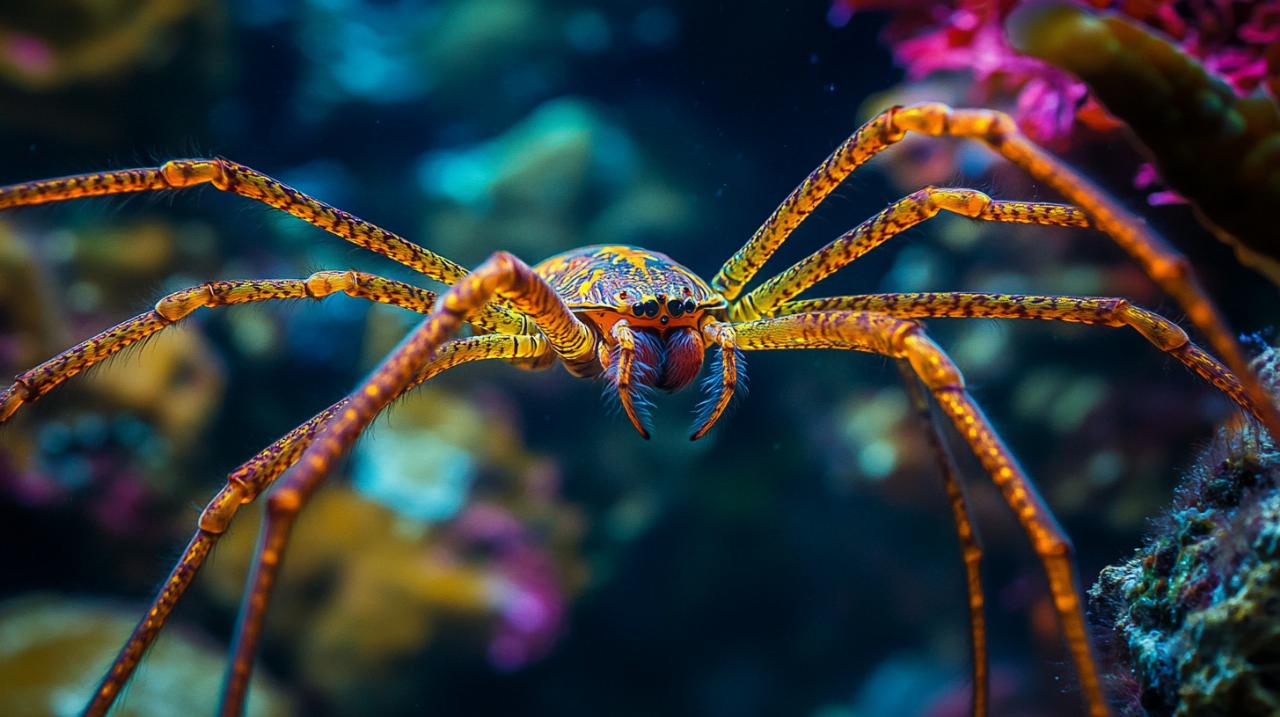
The role of crabs as ecosystem engineers cannot be overstated. Through their foraging and burrowing behaviours, they physically alter the environment, creating habitats for other species and influencing sediment dynamics. Shore crabs, for instance, turn over stones and disturb sediments in search of food, a process that promotes the redistribution of nutrients and organic material. This activity supports microbial communities and enhances the productivity of intertidal zones. Additionally, crabs serve as efficient scavengers, consuming dead and decaying matter that might otherwise accumulate and degrade water quality. By breaking down organic waste, they accelerate decomposition and recycle nutrients back into the ecosystem. This dual role as predator and scavenger positions crabs as keystone species, whose activities ripple through the ecosystem, affecting everything from nutrient flow to species interactions.
Their Role in Maintaining Coastal Biodiversity and Food Chains
Crabs are integral to the maintenance of coastal biodiversity, acting as both consumers and resources within complex food webs. Juvenile crabs provide sustenance for a variety of predators, including fish, seabirds, and marine mammals, thereby supporting higher trophic levels. As they grow, crabs themselves become formidable predators, regulating populations of molluscs, worms, and small fish. This predatory pressure helps prevent any single species from dominating the ecosystem, fostering diversity and resilience. Moreover, the presence of crabs can influence the behaviour and distribution of other organisms, creating a mosaic of ecological niches. In seagrass meadows and kelp forests, crabs contribute to the health of these habitats by controlling herbivore populations and facilitating plant growth. The intricate relationships crabs maintain with their environment highlight their indispensable role in sustaining marine biodiversity and the ecological services that flow from it.
Conservation Efforts and the Future of Crab Populations
As human activities increasingly impinge upon marine environments, the conservation of crab populations has emerged as a critical concern. Overfishing, habitat destruction, and climate change pose significant threats to the sustainability of crab fisheries and the ecosystems they inhabit. Recognising these challenges, scientists and policymakers are working collaboratively to develop strategies that balance economic interests with ecological stewardship. Effective conservation requires a comprehensive understanding of crab biology, population dynamics, and the environmental factors that influence their distribution and abundance. Ongoing research, including studies on sea spiders and their ecological roles, provides valuable context for broader conservation initiatives. By integrating scientific knowledge with sustainable management practises, there is hope that crab populations can be preserved for future generations.
Current threats facing crab species in uk waters
Crab species in the United Kingdom face a multitude of threats that jeopardise their long-term viability. Overfishing remains a primary concern, as commercial harvesting can deplete stocks faster than they can recover. Many crab fisheries operate with minimal regulation, leading to unsustainable catch levels and the incidental capture of juvenile individuals. Habitat degradation further compounds these pressures, with coastal development, pollution, and trawling damaging critical breeding and feeding grounds. Climate change introduces additional uncertainty, as rising sea temperatures and ocean acidification alter the physical and chemical properties of marine habitats. These changes can affect crab physiology, reproduction, and survival, potentially shifting species distributions and disrupting established ecological relationships. Addressing these multifaceted threats requires coordinated action across governmental, scientific, and industry sectors to ensure that crab populations remain robust and resilient.
Sustainable fishing practises and protection initiatives
In response to the mounting pressures on crab populations, a range of sustainable fishing practises and protection initiatives have been introduced across the UK. Size limits and seasonal closures are commonly employed to safeguard breeding stocks and allow juvenile crabs to mature before being harvested. Gear modifications, such as the use of escape gaps in pots and traps, help reduce bycatch and minimise impacts on non-target species. Marine protected areas have been established in key habitats, offering refuge for crabs and other marine organisms whilst allowing ecosystems to recover from anthropogenic disturbances. Scientific monitoring programmes track population trends and inform adaptive management strategies, ensuring that conservation measures remain responsive to changing conditions. Public awareness campaigns also play a vital role, encouraging responsible consumption and fostering a culture of stewardship. Through these combined efforts, there is optimism that crab populations can be maintained at healthy levels, supporting both biodiversity and the livelihoods of coastal communities.
 The ultimate robot animals zoomer review & comparison: why children love these eco-friendly electronic companions
 Taming a Wild Boar: Between Legislation and Passion – Ministerial Authorisations and Capacity Certificates Explained
 Offer a Miniature Stable for Christmas: Combining Timeless Wooden Toys with Charming Nativity Animals
 Ant Invasion Decoded: Uncovering the Meanings, Myths and Realities of These Beneficial Garden Species
 Why Schleich Horses’ Realistic and Quality Figurines Are Setting New Standards for Sustainable Toy Production