
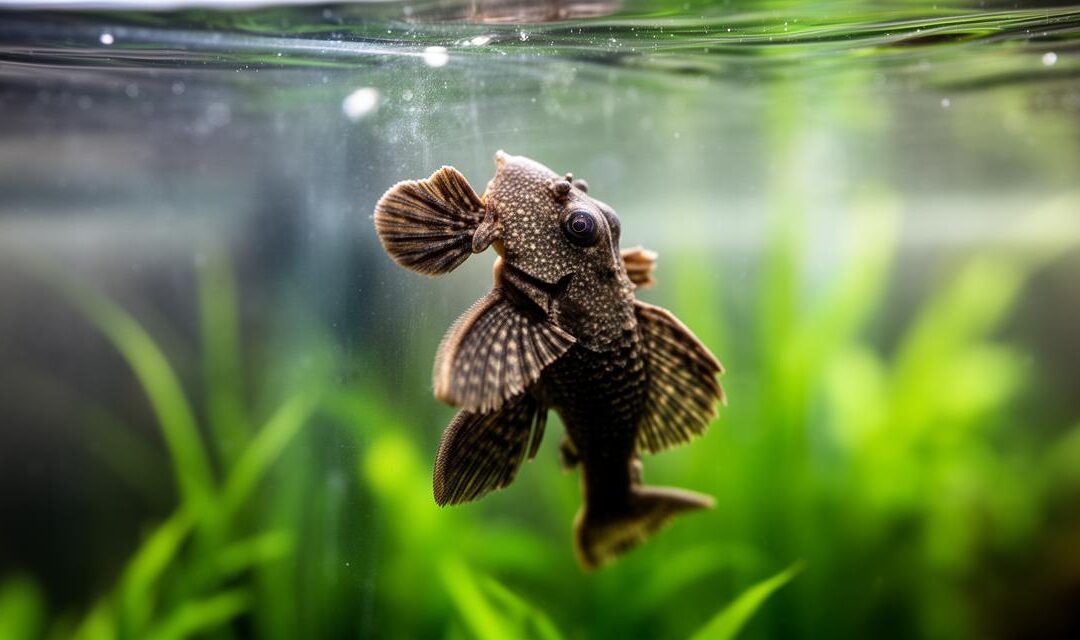
Aquarists seeking to cultivate thriving aquatic habitats often turn to nature's own maintenance crew to keep their tanks pristine and healthy. Among the most valuable additions to any freshwater aquarium are those fascinating creatures known for their glass-cleaning prowess, which work tirelessly to consume algae and maintain clear viewing panes. When thoughtfully combined with other natural cleaners such as shrimp and snails, these fish contribute to a self-regulating environment where water quality remains stable and the aesthetic appeal flourishes. Understanding how these species interact and support one another is key to achieving a harmonious and balanced ecosystem within the confines of a home aquarium.
Understanding the Role of Glass Cleaning Fish in Aquarium Maintenance
Glass cleaning fish serve an essential function in freshwater aquariums by addressing one of the most common challenges faced by hobbyists: the relentless growth of algae. Algae can quickly obscure the view through the tank walls and compete with aquatic plants for light and nutrients. These industrious fish species have evolved to feed primarily on algae, effectively grazing on surfaces and helping to keep glass panes clear. Their constant activity not only enhances the visual appeal of the aquarium but also supports overall tank health by reducing the nutrient load that fuels excessive algae proliferation. In this way, they become indispensable allies in the ongoing battle to maintain water quality and clarity.
How window cleaning fish contribute to algae control
The mechanism by which these fish control algae is both simple and remarkably effective. Many species possess specialized mouths adapted for rasping or scraping biofilm and algae from hard surfaces. As they glide across the glass, they consume microscopic organisms and organic matter that would otherwise accumulate and cloud the water. This grazing behaviour mimics natural processes found in rivers and streams, where fish continually clean rocks and submerged wood. By incorporating these natural cleaners into an aquarium, hobbyists can reduce the frequency of manual cleaning and the need for chemical interventions. The presence of these fish also helps to prevent the establishment of stubborn algae types that are more difficult to remove once they take hold. Their feeding activities contribute to a more stable nitrogen cycle, as they consume detritus and uneaten food particles that could otherwise degrade water quality through the release of ammonia and nitrite.
Popular species: from ancistrus to siamese algae eaters
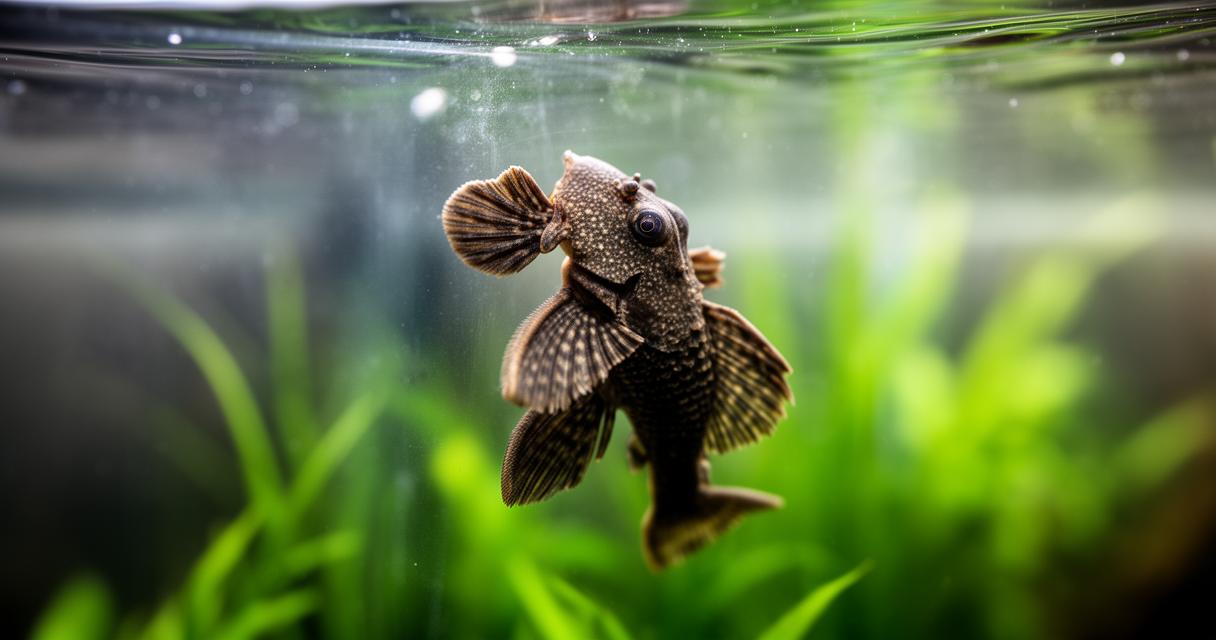
Among the most popular glass cleaning fish, the Ancistrus, commonly known as the bristlenose pleco, stands out for its manageable size and efficient algae-eating habits. Unlike some larger plecos that can grow quite substantial, the Ancistrus typically reaches a modest length suitable for medium-sized tanks measured in liters. This species is particularly valued for its peaceful temperament and compatibility with a wide range of tank mates, including invertebrates such as shrimp and snails. Another favoured option is the Siamese algae eater, which is renowned for its appetite for various types of algae, including the notorious black beard algae that many aquarists struggle to control. Corydoras, though primarily known as bottom feeders, also contribute to tank cleanliness by sifting through substrate and consuming leftover food and organic debris. Each of these species brings unique qualities to the aquarium, and selecting the right combination depends on tank size, water parameters, and the specific algae challenges present. Understanding the native habitats of these fish, many of which hail from freshwater regions in America and Southeast Asia, helps aquarists replicate the conditions necessary for their health and effectiveness.
Creating a Harmonious Community Tank with Shrimp, Snails, and Cleaning Fish
Building a community tank that thrives on natural cleaning processes requires careful consideration of species compatibility and environmental needs. When glass cleaning fish are combined with shrimp and snails, the result is a dynamic ecosystem where each organism plays a distinct role in maintaining balance. Shrimp, such as the popular Blue Dream and Yellow varieties of Neocaridina shrimp, are excellent scavengers that feed on leftover food, decaying plant matter, and biofilm. Snails, including Nerite, Mystery, and Ramshorn species, contribute by consuming algae from plant leaves, driftwood, and decorations. Together with algae-eating fish, these invertebrates form a comprehensive cleaning crew that addresses multiple aspects of tank maintenance. However, achieving harmony in such a mixed-species environment demands attention to individual requirements and potential conflicts.
Compatibility between glass cleaners and invertebrates
Fortunately, most glass cleaning fish are peaceful and pose no threat to shrimp or snails, making them ideal candidates for community tanks. Ancistrus, for example, are nocturnal and spend much of their time attached to surfaces, showing little interest in pursuing smaller tank mates. Siamese algae eaters, while more active during the day, are generally too focused on grazing to bother invertebrates. It is important, however, to avoid species that might prey on shrimp or disturb snails, such as certain larger Cichlids or aggressive fish. Providing ample hiding spots and plant cover helps ensure that shrimp and snails feel secure and can carry out their cleaning activities without stress. Live aquatic plants such as Anubias, Bucephalandra, Cryptocoryne, and Echinodorus not only enhance the visual appeal of the tank but also offer shelter and surfaces for biofilm growth, which shrimp and snails feed upon. The presence of plants further stabilizes the ecosystem by absorbing excess nutrients, including nitrates, and producing oxygen through photosynthesis.
Selecting Appropriate Tank Sizes and Water Parameters for Mixed Species
Choosing the right tank size is crucial when housing multiple species of cleaners alongside other aquatic life. While nano tanks can accommodate smaller fish and a handful of shrimp or snails, a larger aquarium measured in liters provides more stable water conditions and reduces territorial disputes. A well-sized tank allows for proper filtration, adequate swimming space, and the establishment of beneficial bacteria essential to the nitrogen cycle. Water parameters must be carefully monitored to ensure they fall within the acceptable range for all inhabitants. Most glass cleaning fish and invertebrates thrive in freshwater with a pH level between six point five and seven point five, moderate hardness, and temperatures that reflect their native environments. Regular testing for ammonia, nitrite, and nitrate is essential, as even low levels of these compounds can stress or harm sensitive species. Maintaining low stocking levels helps prevent the accumulation of fish waste, which would otherwise spike nitrate levels and necessitate frequent water changes. Incorporating fast-growing aquatic plants and establishing a deep sand bed can further support the nitrogen cycle by hosting bacteria that convert nitrates into harmless nitrogen gas.
Maintaining a Balanced Freshwater Ecosystem with Natural Cleaners
The ultimate goal of integrating glass cleaning fish, shrimp, and snails is to create a self-sustaining aquarium that requires minimal intervention. Such an ecosystem relies on the natural interactions between organisms, plants, and beneficial bacteria to regulate water quality and nutrient cycles. Achieving this balance demands a thoughtful approach to stocking, feeding, and environmental management. When done correctly, the aquarium becomes a living microcosm that mirrors the processes found in natural freshwater habitats.
The Importance of Native Habitat Knowledge for Fish Health
Understanding the native habitats of the species in your tank is fundamental to their long-term health and effectiveness. Many popular glass cleaning fish originate from rivers and streams in America, where they inhabit environments rich in algae, submerged wood, and rocky substrates. Replicating these conditions in the home aquarium means providing similar surfaces, water flow, and hiding places. For example, Ancistrus appreciate driftwood not only as a food source but also as a spawning site. Siamese algae eaters thrive in well-oxygenated water with moderate current, reflecting their origins in fast-flowing streams. Similarly, Neocaridina and Caridina shrimp have specific preferences for water hardness and pH that correspond to their natural habitats. Ignoring these requirements can lead to stress, disease, and reduced cleaning efficiency. By researching and accommodating the needs of each species, aquarists can ensure that their cleaning crew remains active, healthy, and productive.
Supporting plant growth whilst managing algae with cleaning fish
Aquatic plants play a dual role in the balanced ecosystem, serving both as competitors to algae and as sources of nutrition and shelter for the tank's inhabitants. Fast-growing plants such as Amazon Frogbit, Duckweed, Guppy Grass, and Salvinia Minima are particularly effective at absorbing excess nutrients, thereby starving algae of the resources they need to proliferate. At the same time, these plants provide surfaces for biofilm to develop, which shrimp and snails consume eagerly. Stem plants and species like Anubias and Bucephalandra also contribute to water quality by oxygenating the environment and offering hiding spots. To support robust plant growth, appropriate lighting and nutrient supplementation are necessary. LED lighting systems designed for aquatic plants can be adjusted to provide the spectrum and intensity required without encouraging excessive algae growth. Introducing a CO2 regulator can further enhance plant health, especially in heavily planted tanks. However, care must be taken to balance these inputs, as too much light or CO2 can tip the scales in favour of algae rather than plants. Regular maintenance, including gentle cleaning of glass and equipment without the use of harsh chemicals, helps preserve the delicate balance. Avoiding overcrowding and monitoring stocking levels ensures that the bioload remains manageable, reducing the burden on the cleaning crew and filtration systems. Over time, as the tank matures and beneficial bacteria establish themselves, the ecosystem becomes increasingly self-regulating, requiring fewer water changes and less intervention from the aquarist.
 How to take care of a puppy?
 Creating a Spa Veranda: Material Selection and Relaxation Planning
 Brilliant Illumination and Space: Why the Exo Terra Terrarium 90x45x90 Remains the Ideal Choice for Your Reptile Enthusiast
 Eco-friendly cleaning with steam cleaners: A detailed comparison for chemical-free solutions
 How Do I Remove My Dog’s Hair Mats Safely? Targeted Brush and Detangling Methods for Sensitive Spots
 Interior decorating ideas to harness animal behavior tips with sage green and indoor plants
 Exploring animal adoption opportunities: a sustainable choice for compassionate living
 Budget Planning for Your Australian Shepherd: Understanding Dog Costs Beyond the Initial Price Tag
 Essential Animal Care Tips for a Cosy and Pet-Friendly Home
 Sustainable pet care tips: eco-friendly solutions for your home
 The Five Most Endearingly Crinkled Dog Breeds: A Complete Guide to Caring for Their Wrinkles
 Essential home tips for pet-friendly living spaces
 Creative Event Planning Ideas for a Memorable Experience
 Marine Protected Areas and the Guinean Angelfish: All About This Very Colourful Fish in Sanctuary Waters
 Effective Home Safety Tips for Households with Pets
 Understanding the Characteristics of Fox Terriers and Jack Russells: Best Exercise Activities to Keep Your Fox Terrier Thriving
 Celebrating the Afghan Hound: A Show Dog’s Journey to Westminster Glory
 Eco-Friendly Leads, Collars and Dog Accessories: A Complete Guide for Dogue de Bordeaux Breeds
 Canine Fashion: Accessorise Your Four-Legged Friend Like the Influencers – Social Media’s Impact on Dog Wardrobe Choices
 Cooling Mat for Dogs: Our Opinion on How Non-Toxic Gel Technology Supports Natural Heat Regulation
 The Ultimate Guide to Visiting a Castle with a Dog: Tips and Best Practices for UK and European Estates
 The Best Cat Tree Materials for Safety: What to Look for to Keep Your Feline Friends Secure
 Offer Your Cat a Homemade Toy: The Science Behind Play and Feline Mental Health