The coypu, often mistaken for its larger relative the capybara, has become a subject of increasing concern across the United Kingdom and beyond. This semi-aquatic rodent, originally native to South America, has established itself in various waterways and wetlands, raising questions about its behaviour, potential dangers, and ecological impact. As sightings become more frequent in gardens and alongside rivers, understanding the nature of this invasive species is essential for both public safety and environmental management. With growing reports of encounters between coypus and domestic animals, as well as concerns over disease transmission, it is vital to separate fact from fiction regarding the risks posed by these large rodents.
Understanding the Coypu: Biology, Habitat, and Behaviour of Myocastor coypus
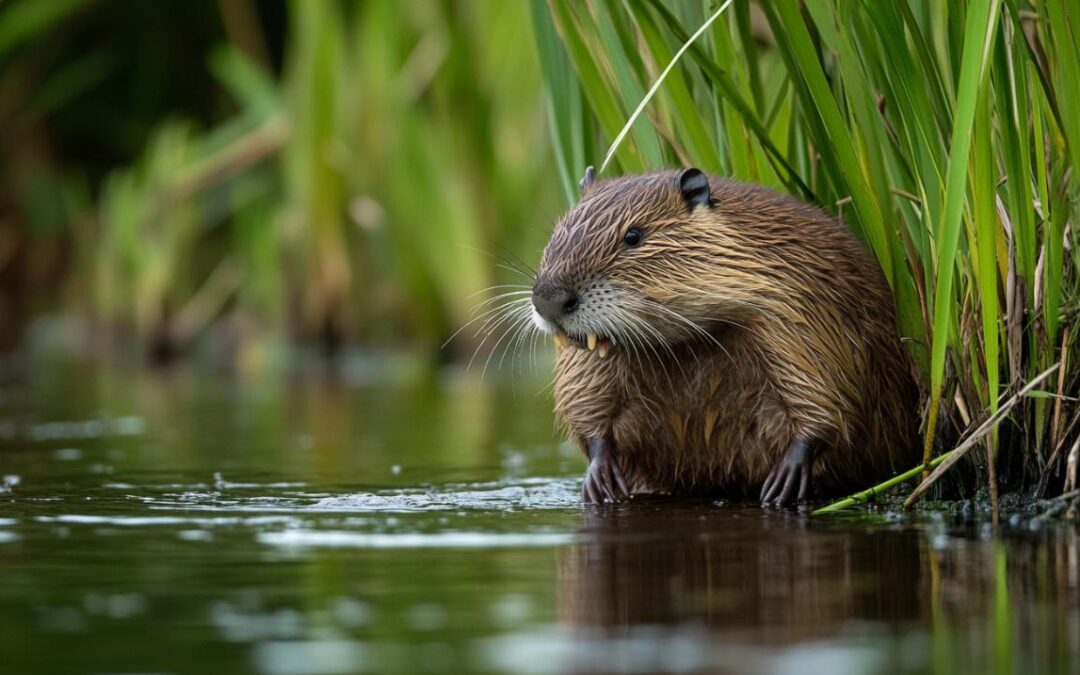
The coypu, scientifically known as Myocastor coypus, is a robust rodent that has adapted remarkably well to various environments far from its original South American homeland. This creature, which can weigh up to nine kilograms and measure around sixty centimetres in length excluding the tail, possesses distinctive features that set it apart from other rodents commonly found in British waterways. Its dense, waterproof fur, webbed hind feet, and prominent orange incisors are among the most recognisable traits that aid in its identification. These physical adaptations enable the coypu to thrive in aquatic environments, where it spends much of its time foraging for vegetation and constructing burrows along riverbanks and canal edges.
Physical Characteristics and Identification of the Coypu as an Invasive Rodent Species
Distinguishing the coypu from native wildlife is crucial for effective management and control. The animal's body is covered in two layers of fur: a dense, soft underfur that provides insulation and a coarser outer layer that repels water. Its tail is long, round, and sparsely haired, quite unlike the flattened, paddle-like tail of the beaver. The coypu's hind feet are partially webbed, facilitating swift movement through water, whilst its front paws are unwebbed and used primarily for handling food. The bright orange colouration of its incisors is perhaps the most striking feature, resulting from a pigment that strengthens the enamel. Adult coypus can be mistaken for muskrats or even young beavers, but their size and the distinctive orange teeth make identification relatively straightforward for those familiar with the species.
Natural habitat preferences: water bodies, gardens, and wetland ecosystems
Coypus are highly adaptable and show a marked preference for freshwater habitats such as rivers, lakes, ponds, and marshes. They construct extensive burrow systems in the banks of these water bodies, which can lead to significant erosion and structural damage to embankments and flood defences. In recent years, coypus have also been observed venturing into suburban gardens, particularly those adjacent to water sources, where they feed on a variety of plants, vegetables, and root crops. Their diet primarily consists of aquatic vegetation, but they are opportunistic feeders and will consume agricultural crops and garden plants when available. This behaviour not only brings them into closer contact with humans but also poses a direct threat to cultivated areas and managed landscapes. The coypu's ability to thrive in modified environments has contributed to its status as an invasive species, with populations expanding across regions where natural predators are scarce and food sources are abundant.
Assessing the Dangers: Coypu Bites, Disease Transmission, and Threats to Pets
Whilst coypus are generally shy and prefer to avoid human contact, they are capable of inflicting serious bites if cornered, threatened, or handled improperly. Their powerful jaws and sharp incisors, designed for gnawing through tough plant material, can cause deep lacerations and puncture wounds. Reports of coypu attacks on humans are relatively rare, but when they do occur, the injuries can require medical attention. More commonly, the danger posed by coypus is not from direct aggression but from the diseases they can carry and transmit to both humans and domestic animals. Understanding the health risks associated with coypus is essential for anyone living in or visiting areas where these rodents are present.
Health Risks Associated with Coypu: Leptospirosis and Other Zoonotic Diseases
One of the most significant health concerns related to coypus is their potential to carry leptospirosis, a bacterial infection that can be transmitted to humans and animals through contact with contaminated water or soil. The bacteria are excreted in the urine of infected animals, and exposure can occur through cuts or abrasions in the skin, mucous membranes, or ingestion of contaminated water. Symptoms in humans can range from mild flu-like illness to severe complications affecting the liver and kidneys. In addition to leptospirosis, coypus may harbour other pathogens, including parasites and viruses, that pose zoonotic risks. The presence of coypus in waterways used for recreation or as sources of drinking water for livestock raises public health concerns, necessitating vigilance and appropriate precautions. Proper hygiene, avoiding direct contact with coypus or their habitats, and ensuring pets are vaccinated can help mitigate these risks.
Protecting Your Dogs and Pets from Potential Coypu Encounters
Domestic animals, particularly dogs, are at risk of encountering coypus during walks near waterways or in areas where these rodents have established populations. Dogs may be curious or perceive coypus as prey, leading to confrontations that can result in bites or injuries to the pet. A coypu defending itself or its young can inflict significant wounds with its sharp teeth, and the resulting injuries may become infected or require veterinary treatment. Beyond physical injuries, dogs can also be exposed to diseases carried by coypus, including leptospirosis, which can be fatal if left untreated. Pet owners are advised to keep dogs on leads in areas known to have coypu activity, to discourage them from entering water where coypus may be present, and to ensure that vaccinations are up to date. Should a pet come into contact with a coypu or show signs of illness following an encounter, prompt veterinary consultation is essential to address any potential health issues.
Managing Coypu Populations: Prevention Strategies and Environmental Impact on Biodiversity
The presence of coypus in non-native environments has prompted significant efforts to manage and control their populations. As an invasive species, coypus compete with native wildlife for resources, alter habitats through their burrowing and feeding activities, and contribute to the degradation of wetland ecosystems. Effective management requires a combination of prevention, monitoring, and active control measures, alongside public awareness and cooperation. Addressing the challenges posed by coypus is not only a matter of protecting human health and property but also of preserving the integrity of natural habitats and the biodiversity they support.
Effective Prevention and Control Methods for Coypu in Gardens and Waterways
Preventing coypus from becoming established in gardens and waterways involves a range of strategies tailored to local conditions and the extent of the infestation. Physical barriers, such as fencing that extends below ground level, can deter coypus from accessing vulnerable areas, whilst mesh guards around young trees and valuable plants offer additional protection. Removing potential food sources, such as fallen fruit and vegetable crops, can make an area less attractive to these rodents. In waterways, maintaining healthy riparian vegetation and monitoring for signs of coypu activity, such as burrows and feeding damage, are important steps in early detection. Where populations have become established, trapping and removal programmes may be necessary, often coordinated by local authorities or environmental agencies. It is important that any control measures are carried out humanely and in accordance with wildlife legislation. Public reporting of sightings can aid in mapping coypu distribution and targeting control efforts where they are most needed.
The Ecological Consequences of Coypu as an Invasive Species on Native Ecosystems
The ecological impact of coypus extends far beyond the immediate damage they cause to crops and infrastructure. Their feeding habits can lead to the destruction of native aquatic vegetation, which in turn affects the availability of food and habitat for other species, including waterfowl, fish, and invertebrates. The extensive burrow systems created by coypus destabilise riverbanks and levees, increasing the risk of flooding and erosion, and can compromise water quality by altering sediment dynamics. In some regions, the decline of native plant species has been directly linked to coypu herbivory, with cascading effects on the wider ecosystem. The loss of plant diversity can reduce the resilience of wetlands to environmental change and diminish their value for conservation. Efforts to control coypu populations are therefore not only about protecting human interests but also about safeguarding the ecological integrity of natural habitats. Successful management requires ongoing commitment, research into effective control methods, and collaboration between landowners, conservationists, and regulatory bodies. By understanding the full scope of the threat posed by coypus, communities can take informed action to limit their spread and mitigate their impact on both people and the environment.
 How to take care of a puppy?
 Creating a Spa Veranda: Material Selection and Relaxation Planning
 Brilliant Illumination and Space: Why the Exo Terra Terrarium 90x45x90 Remains the Ideal Choice for Your Reptile Enthusiast
 Eco-friendly cleaning with steam cleaners: A detailed comparison for chemical-free solutions
 How Do I Remove My Dog’s Hair Mats Safely? Targeted Brush and Detangling Methods for Sensitive Spots
 Interior decorating ideas to harness animal behavior tips with sage green and indoor plants
 Exploring animal adoption opportunities: a sustainable choice for compassionate living
 Budget Planning for Your Australian Shepherd: Understanding Dog Costs Beyond the Initial Price Tag
 Essential Animal Care Tips for a Cosy and Pet-Friendly Home
 Sustainable pet care tips: eco-friendly solutions for your home
 The Five Most Endearingly Crinkled Dog Breeds: A Complete Guide to Caring for Their Wrinkles
 Essential home tips for pet-friendly living spaces
 Creative Event Planning Ideas for a Memorable Experience
 Marine Protected Areas and the Guinean Angelfish: All About This Very Colourful Fish in Sanctuary Waters
 Effective Home Safety Tips for Households with Pets
 Understanding the Characteristics of Fox Terriers and Jack Russells: Best Exercise Activities to Keep Your Fox Terrier Thriving
 Celebrating the Afghan Hound: A Show Dog’s Journey to Westminster Glory
 Eco-Friendly Leads, Collars and Dog Accessories: A Complete Guide for Dogue de Bordeaux Breeds
 Canine Fashion: Accessorise Your Four-Legged Friend Like the Influencers – Social Media’s Impact on Dog Wardrobe Choices
 Cooling Mat for Dogs: Our Opinion on How Non-Toxic Gel Technology Supports Natural Heat Regulation
 The Ultimate Guide to Visiting a Castle with a Dog: Tips and Best Practices for UK and European Estates
 The Best Cat Tree Materials for Safety: What to Look for to Keep Your Feline Friends Secure
 Offer Your Cat a Homemade Toy: The Science Behind Play and Feline Mental Health
 Window Cleaning Fish: What Is Its Use in Creating a Balanced Ecosystem with Shrimp and Snails?