
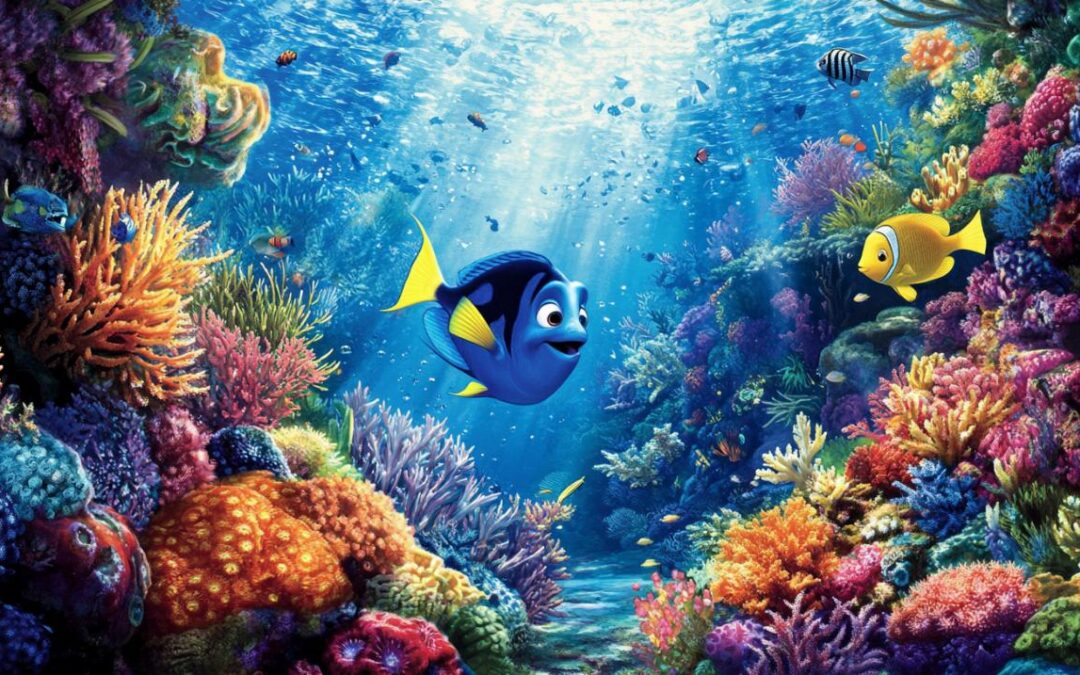
When Pixar's Finding Nemo first graced cinema screens, audiences fell in love with a vibrant, forgetful blue fish whose unflagging optimism and endearing quirks made her one of the most beloved characters in animated film history. Dory, as she came to be known, became a cultural phenomenon that transcended the boundaries of children's entertainment to spark conversations about marine life, conservation, and the ethics of the exotic pet trade. Her story, continued in Finding Dory more than a decade later, not only entertained millions but also inadvertently thrust a particular species of reef-dwelling fish into the global spotlight, raising important questions about how popular media shapes public behaviour and impacts the natural world.
Dory's Species: Understanding the Regal Blue Tang and Its Real-World Characteristics
The character of Dory is based on the regal blue tang, a species scientifically classified as Paracanthurus hepatus. This striking fish inhabits the warm, sunlit waters of the Indo-Pacific region, including areas such as the Maldives, the Philippines, and Indonesia. The regal blue tang is also referred to by several other common names, including palette surgeonfish, hippo tang, and regal tang, each reflecting different aspects of its appearance or behaviour. These fish are integral members of coral reef ecosystems, where they perform the crucial ecological role of grazing on algae that would otherwise smother coral structures. By keeping algae growth in check, blue tangs contribute to the health and vitality of reefs, which in turn support a dazzling array of marine biodiversity.
The Biology and Natural Habitat of Paracanthurus hepatus
Regal blue tangs are found across a vast geographic range within the tropical Indo-Pacific Ocean, thriving in environments where coral reefs provide food, shelter, and breeding grounds. These fish are well adapted to life among the complex structures of reefs, where they can navigate narrow crevices and evade predators. The species exhibits fascinating developmental changes throughout its life cycle. Juvenile blue tangs begin life as nearly transparent, almost invisible creatures that drift in the open ocean before settling onto reefs. As they mature, they develop the brilliant blue colouration and distinctive black markings that make them instantly recognizable. In adulthood, a regal blue tang can grow up to twelve inches in length, a size that makes them a prominent presence on the reef and a challenge for many home aquarium enthusiasts to accommodate properly.
The natural behaviour of these fish includes a remarkable adaptation to avoid predation during vulnerable nighttime hours. Blue tangs are known to change their colouration when the sun sets, adopting a duller hue that helps them blend into the darkened reef environment. This ability to shift appearance demonstrates the evolutionary pressures that have shaped their survival strategies over millennia. Despite their resilience and adaptability, blue tangs remain closely tied to the health of coral reefs, which face mounting threats from climate change, ocean acidification, and rising sea temperatures. The interconnectedness of these fish and their habitat underscores the broader ecological consequences of reef degradation.
Distinguishing features: from scalpel-like spines to brilliant blue colouration
One of the most distinctive characteristics of the regal blue tang is its vivid blue body, which is offset by bold black markings that run along the sides and a bright yellow tail. This combination of colours makes the species instantly identifiable both in the wild and in aquarium settings. However, the beauty of the blue tang is not merely superficial. These fish belong to a family commonly known as surgeonfish, a term that references the sharp, scalpel-like spines located near the base of their tails. These spines serve as a defensive mechanism, capable of inflicting painful wounds on would-be predators or rivals. While this feature is not a central plot point in the Pixar films, it is an important aspect of the species' biology and a reminder that even the most charming creatures in nature possess adaptations that ensure their survival.
The brilliant colouration of the blue tang also plays a role in communication and social behaviour within reef communities. These fish are often observed in small groups or schools, where their vibrant hues may help coordinate movement and signal their presence to other members of their species. The interplay between appearance and function in the natural world is a testament to the complexity of evolutionary processes, and the blue tang exemplifies how form and function can be intricately linked. For marine scientists and conservationists, understanding these characteristics is essential for developing effective strategies to protect the species and the ecosystems they inhabit.
From Screen to Sea: How Finding Nemo and Finding Dory Influenced Public Perception of Marine Life
The release of Finding Nemo in 2003 marked a turning point in how popular culture engaged with marine biology. The film's colourful depiction of underwater life captivated audiences and brought the wonders of coral reefs into living rooms across the globe. Dory, with her infectious optimism and humorous struggles with short-term memory, quickly became a standout character whose appeal extended far beyond the intended demographic of young children. Her popularity was such that she was given her own sequel, Finding Dory, which debuted in 2016 and explored her backstory and quest to reunite with her family. Both films achieved remarkable commercial success and became cultural touchstones, but they also had unintended consequences for the species they depicted.
The surge in aquarium trade following pixar's animated blockbusters
In the wake of Finding Nemo, there was a well-documented surge in demand for clownfish, the species represented by the character Nemo. Conservationists observed a corresponding increase in the capture of clownfish from wild populations, which led to concerns about the sustainability of the marine fish trade. The situation prompted researchers from the University of Queensland and Flinders University to establish the Saving Nemo Conservation Fund in 2005, an initiative aimed at developing aquaculture techniques to breed clownfish in controlled environments and reduce reliance on wild capture. This effort highlighted a broader issue within the exotic pet trade, where approximately ninety per cent of marine fish sold in aquarium shops are sourced from the wild rather than from breeding programmes.
When Finding Dory was announced, marine scientists and conservationists braced for a similar impact on blue tang populations. Andrew Rhyne, a marine scientist at Roger Williams University, was among those who voiced concerns about the potential consequences of the film. Rhyne and his colleague Michael Tlusty co-authored an article arguing against keeping Pacific blue tangs as pets, noting that the species has not been successfully aquacultured and that more than one hundred thousand individuals are captured from the wild each year to meet demand. Approximately one hundred thousand Paracanthurus hepatus are imported into the United States annually from twenty-five countries, with the majority originating from Indonesia and the Philippines. The capture methods used in these regions often involve destructive practices such as cyanide fishing, which not only harms the target species but also devastates coral reefs and other marine life.
Despite widespread predictions of a surge in demand following the release of Finding Dory, a study published in Ambio in August 2019 presented a more nuanced picture. Researchers employed counterfactual models to assess whether the film had a measurable impact on global online searches for blue tangs, imports of blue tangs into the United States, and visits to American aquariums. The study found that while there was a short-term increase in online searches for blue tangs lasting approximately two to three weeks after the film's release, there was no substantial evidence of increased imports or a significant rise in aquarium attendance. This finding suggests that the anticipated surge in demand did not materialize to the extent that many had feared, although the research underscores the importance of using evidence-based approaches when evaluating the influence of popular media on wildlife trade.
Merchandising mania: toys, educational materials, and cultural resonance
Beyond the aquarium trade, the cultural impact of Dory extends into the realm of merchandising and educational outreach. The character has been immortalized in countless toy versions, clothing lines, and other consumer products that have become ubiquitous in shops around the world. This commercial success has helped to sustain public interest in marine life and has provided opportunities for educational initiatives that leverage the character's popularity to promote awareness of ocean conservation. Organizations such as the Coral Reef Alliance have sought to channel the enthusiasm generated by the films into constructive action, using Dory as a symbol to highlight the importance of protecting coral reef ecosystems and the species that depend on them.
The Coral Reef Alliance, based at 548 Market Street, Suite 29802 in San Francisco, California, is a nonprofit organization dedicated to protecting important fish habitats and improving water quality in reef environments. With a phone number of 510-370-0500 and a tax-exempt status under EIN number 94-3211245, the organization exemplifies how conservation groups can harness the cultural resonance of beloved characters to advance their missions. Educational materials featuring Dory and other characters from the Pixar films have been distributed to schools and community groups, fostering a new generation of ocean advocates who understand the delicate balance required to maintain healthy marine ecosystems.
The widespread appeal of Dory also inspired grassroots campaigns aimed at encouraging sustainable practices in the pet trade. One such campaign, which utilized the hashtag fishkiss4nemo on social media, sought to capture the attention of Ellen DeGeneres, the voice of Dory, in an effort to raise awareness about the plight of wild fish populations. These initiatives illustrate how popular culture can serve as a catalyst for public engagement with environmental issues, even as they highlight the challenges of translating enthusiasm into meaningful conservation outcomes. The dual nature of Dory's legacy, as both a beloved character and a symbol of the pressures facing marine life, reflects the complex relationship between entertainment and environmental stewardship.
Conservation concerns: why dory's popularity matters for indo-pacific coral reef protection
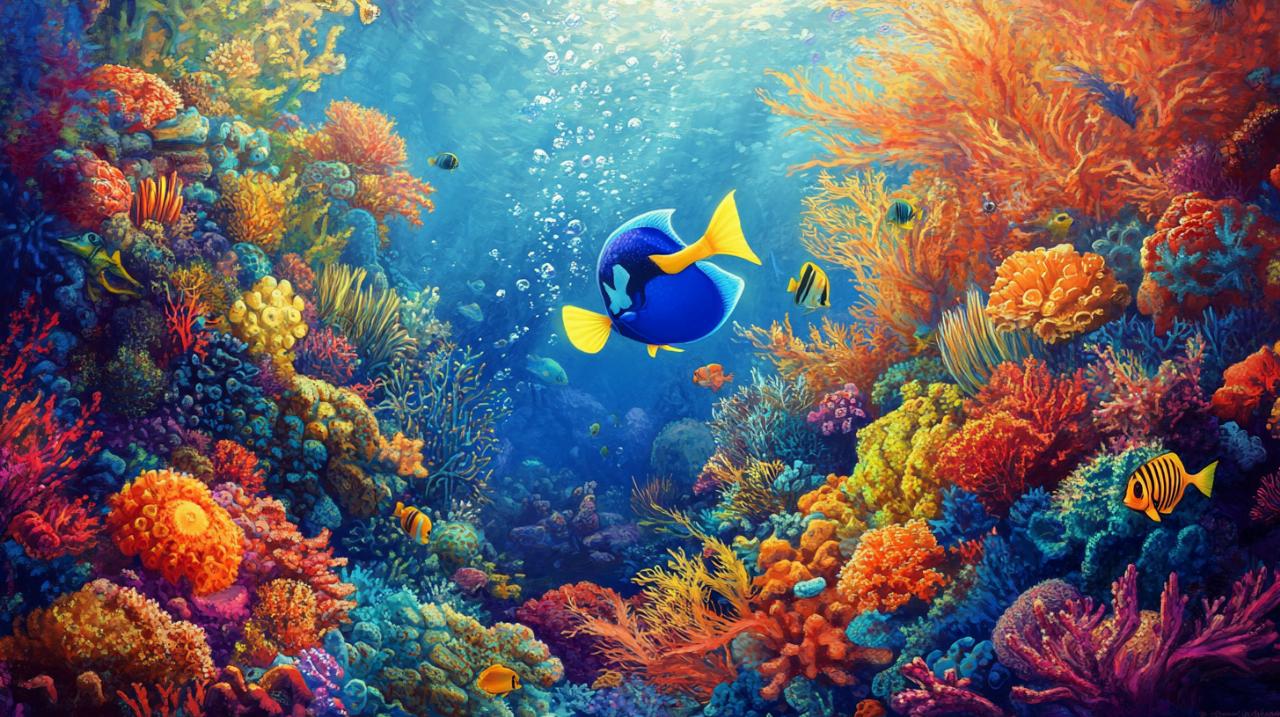
The fascination with Dory and the regal blue tang has brought much-needed attention to the state of coral reefs and the myriad threats they face. Coral reefs are among the most biodiverse ecosystems on the planet, providing habitat for thousands of species and supporting the livelihoods of millions of people through fisheries and tourism. However, these ecosystems are under siege from a range of anthropogenic pressures, including climate change, ocean acidification, overfishing, and destructive fishing practices. The popularity of characters like Dory offers a unique opportunity to communicate the urgency of reef conservation to a broad audience, but it also carries the risk of exacerbating the very problems it seeks to illuminate.
Threats facing regal blue tangs and their coral reef ecosystems
Regal blue tangs are currently listed as Least Concern by the International Union for Conservation of Nature, a designation that reflects their relatively wide distribution and stable populations in many areas. However, this status does not render them immune to the broader threats facing coral reef ecosystems. Rising sea temperatures, driven by climate change, have led to widespread coral bleaching events that disrupt the delicate symbiotic relationships between corals and the algae that provide them with nutrients. When corals die, the entire structure of the reef begins to collapse, eliminating the habitat that blue tangs and countless other species rely upon for survival.
Ocean acidification, caused by the absorption of excess carbon dioxide from the atmosphere, further compounds these challenges by weakening the calcium carbonate structures that form the backbone of coral reefs. As reefs degrade, the abundance and diversity of fish populations decline, creating a cascade of ecological consequences that ripple through marine food webs. For species like the blue tang, which depend on healthy reefs for food and shelter, these changes represent an existential threat. The interconnectedness of reef health and fish populations underscores the need for comprehensive conservation strategies that address both the symptoms and root causes of environmental degradation.
Destructive fishing practices, such as cyanide fishing, pose an immediate and severe threat to blue tang populations and the ecosystems they inhabit. Cyanide is used to stun fish, making them easier to capture for the aquarium trade, but the chemical also kills corals and other marine organisms, leaving a trail of devastation in its wake. Although international regulations exist to curb such practices, enforcement remains inconsistent, and the economic incentives driving the trade often outweigh concerns about sustainability. Conservationists have called for greater transparency and accountability in the wildlife trade, advocating for real-time data collection and monitoring to ensure that fish are sourced responsibly. Roger Williams University, in collaboration with the New England Aquarium, has been at the forefront of efforts to collect trade data that can help the National Oceanic and Atmospheric Administration assess the impact of the saltwater aquarium trade on wild populations.
Sustainable Aquarium Practices and the Role of Public Awareness in Marine Conservation
The development of sustainable aquaculture represents one of the most promising avenues for reducing the pressure on wild fish populations. Breeding programmes that can replicate the complex life cycles of marine species in captivity offer the potential to supply the aquarium trade without depleting natural stocks. Roger Williams University has been pioneering research into the aquaculture of species such as the yasha goby and cleaner wrasse, which have historically been captured from the wild. A weeklong training programme at the university's aquaculture facility brought together eighteen aquarists to learn techniques for breeding tropical fish, demonstrating the potential for collaborative efforts to advance sustainable practices across the industry.
However, the blue tang presents unique challenges for aquaculture. Unlike clownfish, which have been successfully bred in nurseries since the establishment of the Saving Nemo Conservation Fund, blue tangs have proven difficult to rear in captivity due to the complexity of their larval stages and dietary requirements. Until these obstacles are overcome, the species will remain dependent on wild capture, making it all the more critical to implement measures that ensure harvest levels are sustainable and that destructive fishing methods are eliminated. Public awareness campaigns that educate consumers about the origins of the fish they purchase and the ecological costs of the trade can play a vital role in shifting demand towards more sustainable options.
Andrew Rhyne has emphasized the importance of balancing the educational value of aquariums with their impact on wild populations. Aquariums provide invaluable opportunities for people to connect with marine life and develop an appreciation for the ocean, but this benefit must be weighed against the potential harm caused by the trade in wild-caught species. Rhyne has also highlighted the responsibility of major corporations, such as Disney, to address issues within the wildlife trade and to use their considerable influence to promote conservation. Disney has made efforts to support conservation initiatives, but critics argue that more could be done to ensure that the films and merchandise produced by the company do not inadvertently contribute to environmental harm.
The unintended consequences of conservation advocacy also merit consideration. While calls to ban aquarium fishing may seem like a straightforward solution, Rhyne and other researchers have cautioned that such measures could lead to more destructive fishing practices for food, as communities that rely on the trade for income seek alternative livelihoods. A more nuanced approach that combines regulation, incentives for sustainable practices, and investment in aquaculture may offer a more effective path towards protecting marine ecosystems while supporting the people who depend on them. A real-time data technology solution developed for the Wildlife Crime Tech Challenge recently won a ten-thousand-pound cash award, illustrating the potential for innovation to enhance monitoring and enforcement efforts in the wildlife trade.
The legacy of Dory extends far beyond the silver screen, serving as a reminder of the profound ways in which popular culture can shape our relationship with the natural world. As audiences continue to be captivated by the adventures of this lovable blue tang, the challenge lies in harnessing that enthusiasm to support meaningful conservation action. By fostering greater awareness of the ecological importance of coral reefs, promoting sustainable practices in the aquarium trade, and supporting scientific research into aquaculture, society can ensure that the real-world counterparts of Dory continue to thrive in the Indo-Pacific for generations to come.
 The ultimate robot animals zoomer review & comparison: why children love these eco-friendly electronic companions
 Taming a Wild Boar: Between Legislation and Passion – Ministerial Authorisations and Capacity Certificates Explained
 Offer a Miniature Stable for Christmas: Combining Timeless Wooden Toys with Charming Nativity Animals
 Ant Invasion Decoded: Uncovering the Meanings, Myths and Realities of These Beneficial Garden Species
 Why Schleich Horses’ Realistic and Quality Figurines Are Setting New Standards for Sustainable Toy Production
 What is this four-letter sea spider everyone is talking about? Research insights into crab species diversity and their role in marine life conservation