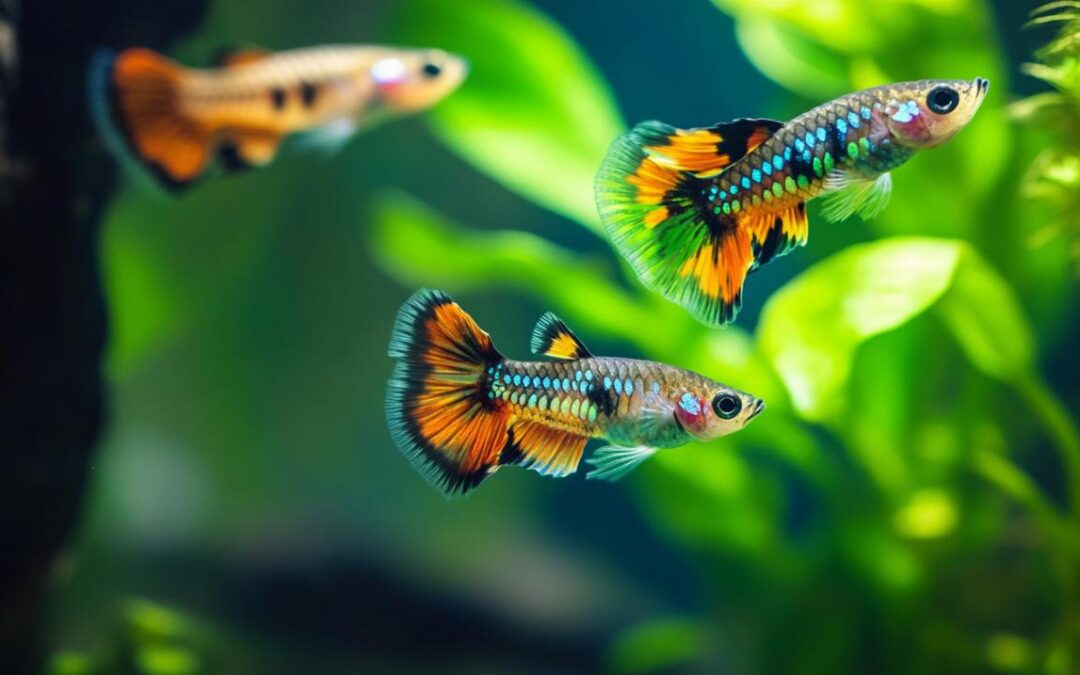
Raising baby guppies can be a rewarding experience for aquarium enthusiasts, but success requires careful attention to environmental conditions and proper husbandry. These vibrant tropical fish, known for their dazzling colours and energetic personalities, produce offspring that demand specific care protocols to ensure healthy development. Understanding the delicate balance of water chemistry, nutrition, and tank management forms the foundation of effective fry rearing, transforming tiny newborns into thriving adults that showcase the best qualities of their species.
Essential Water Parameters and Tank Setup for Guppy Fry
Maintaining optimal temperature and water quality
The survival of guppy fry hinges on maintaining stable water conditions within precise parameters. Temperature regulation stands as one of the most critical factors, with ideal ranges falling between 24 to 28 degrees Celsius, though breeding tanks benefit from the warmer end of this spectrum at approximately 24 to 28 degrees Celsius. Consistency matters more than absolute values, as sudden fluctuations can prove fatal to delicate fry whose systems cannot adapt quickly to environmental changes. Aquarium keepers should invest in reliable heaters and thermometers to maintain this stability throughout the day and night cycles.
Beyond temperature, pH level and water hardness play equally vital roles in creating a hospitable environment. Guppy fry thrive in slightly neutral to slightly alkaline water with pH readings between 6.8 and 7.8, though breeding setups often perform best when maintained closer to 7.0 to 7.2. Water hardness should register between 8 and 12 dGH to replicate the conditions these fish naturally prefer. Regular monitoring with test kits allows for timely adjustments before parameters drift into dangerous territory. When introducing new guppies or fry to a tank, proper acclimation prevents shock that could otherwise compromise their immune systems or prove immediately lethal.
Water quality maintenance extends beyond initial setup to include regular maintenance routines. Weekly water changes removing 25 to 30 percent of the tank volume help eliminate accumulated waste products and replenish essential minerals. These partial changes strike a balance between maintaining beneficial bacteria colonies and preventing the buildup of harmful compounds like ammonia and nitrites. For fry tanks specifically, gentle water changes using dechlorinated water matched to the tank temperature prevent stress during this vulnerable life stage.
Creating a Safe Environment with Plants and Hiding Spots
The physical structure of a fry tank contributes significantly to survival rates by providing protection and reducing stress. Dense plantings offer essential hiding spots where young guppies can retreat from perceived threats, including adult fish if housed together. Live plants such as Java moss, hornwort, and water sprite serve dual purposes by creating shelter whilst also contributing to water quality through natural filtration processes. The presence of vegetation allows fry to feel secure, which promotes natural behaviours and reduces the physiological stress that can stunt growth or compromise immunity.
Artificial decorations can supplement or replace live plants depending on the keeper's preference and maintenance capabilities. Smooth surfaces without sharp edges prevent injury to delicate fins and bodies as fry navigate their environment. Spawning mops or breeding boxes offer additional options for creating segregated spaces within community tanks, though dedicated fry tanks generally yield superior results by eliminating competition for food and reducing predation risks. The goal remains consistent regardless of methodology: establishing an environment where baby guppies feel protected enough to feed actively and grow without constant vigilance against danger.
Feeding and Nutrition for Healthy Guppy Fry Development
Choosing the Right Food for Newborn Guppies
Nutrition during the first weeks of life determines whether guppy fry develop into robust adults or remain stunted and prone to illness. Newborn guppies possess tiny mouths that require appropriately sized food particles they can consume without difficulty. Specialised fry food formulated with fine particles addresses this need whilst providing concentrated nutrition tailored to rapid growth phases. Alternatively, high-quality flake food crushed into powder consistency offers a practical solution for keepers who prefer versatile feeding options that serve multiple tank inhabitants.
Live food represents the gold standard for fry nutrition when available, as it most closely mimics natural feeding patterns and provides optimal nutritional profiles. Newly hatched brine shrimp rank among the most popular choices, offering protein-rich nutrition that promotes vibrant coloration and healthy development. Daphnia serves as another excellent live food option, providing both nutrition and the benefit of movement that stimulates natural hunting instincts. For those unable to culture live food regularly, frozen alternatives such as bloodworms deliver comparable nutritional benefits whilst offering convenient storage and portion control.
Dietary variety ensures fry receive a complete spectrum of nutrients necessary for proper development. Incorporating vegetable matter such as blanched spinach provides essential vitamins and minerals that animal proteins alone cannot supply. This balanced approach prevents nutritional deficiencies that manifest as faded colours, sluggish behaviour, or conditions like fin rot that indicate compromised health. Observing fry response to different foods helps identify preferences whilst ensuring no single dietary component dominates to the exclusion of others.
Establishing proper feeding schedules and portions
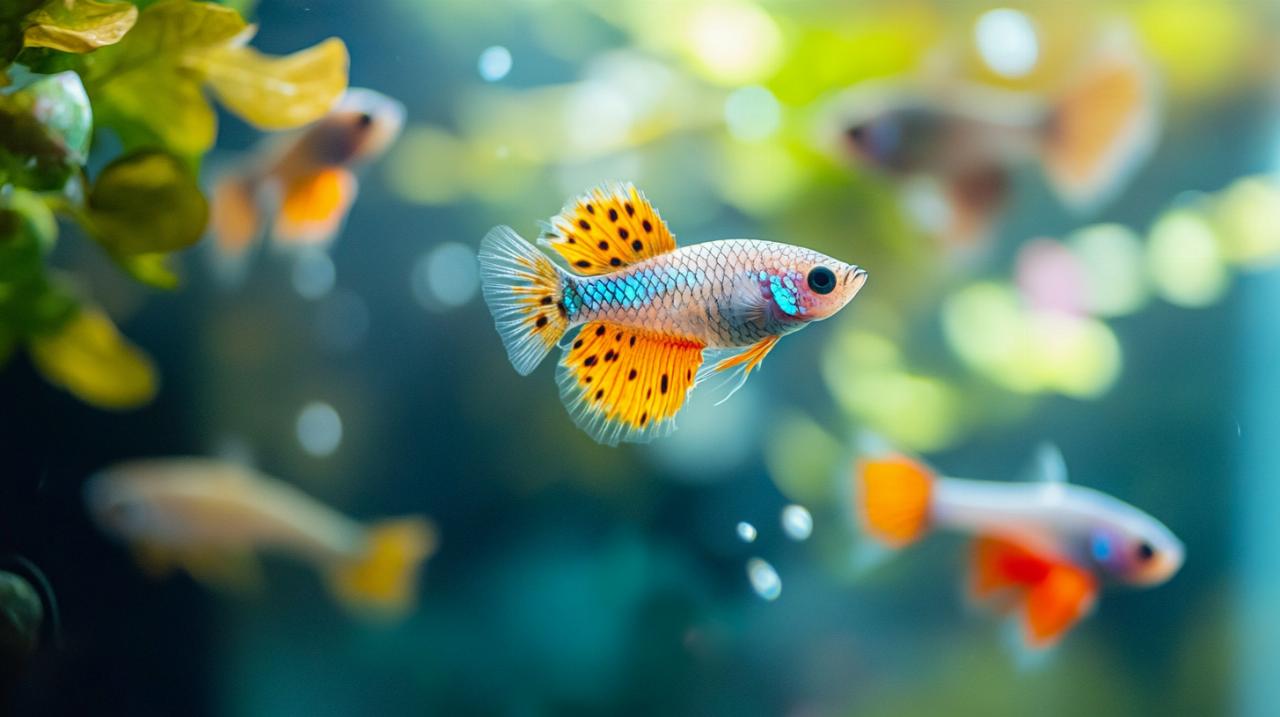
Frequency and portion control separate successful fry rearing from common pitfalls that lead to poor water quality or underdeveloped fish. Young guppies benefit from multiple small meals throughout the day rather than single large feedings, with two to three daily meals representing the standard recommendation. Each portion should contain only what the fry can consume within approximately two minutes, preventing excess food from decomposing and fouling the water. This disciplined approach maintains water quality whilst ensuring fry receive adequate nutrition for continuous growth during their most critical development period.
Timing feedings to coincide with active periods maximises consumption and minimises waste. Guppy fry typically display heightened activity during daylight hours, making morning, midday, and early evening ideal feeding windows. Consistency in scheduling helps establish routine that fry recognise, potentially improving feeding efficiency as they learn to anticipate mealtimes. Monitoring behaviour during and after feedings provides valuable feedback about whether portions require adjustment, with overly aggressive competition suggesting underfeeding whilst leftover food indicates excessive quantities.
As fry mature, gradual transitions in food size and feeding frequency prepare them for adult dietary patterns. Increasing particle size challenges growing mouths whilst maintaining nutritional density, and reducing feeding frequency to twice daily encourages more natural eating patterns. These adjustments should occur gradually over several weeks, allowing fish to adapt without stress or nutritional gaps that could compromise their development trajectory.
Health Monitoring and Breeding Management for Long-Term Success
Identifying and Preventing Common Diseases in Fry
Vigilant health monitoring catches problems early when intervention proves most effective. Young guppies exhibit vulnerability to various conditions that adult fish might resist, making daily observation essential for maintaining thriving populations. Colour fading often signals nutritional deficiency or environmental stress, prompting review of feeding protocols and water parameters. Sluggish behaviour indicates potential illness or poor water quality, requiring immediate testing and corrective action before conditions deteriorate further.
Fin rot represents one of the most common afflictions affecting fry, appearing as ragged or disintegrating fin edges that progressively worsen without treatment. This bacterial infection typically stems from poor water quality or injury, making prevention through proper tank maintenance the primary defence. Should fin rot develop, improving water conditions through increased change frequency often resolves mild cases, whilst more advanced infections may require medication specifically formulated for fry tanks where standard treatments could prove too harsh for developing fish.
Disease prevention strategies centre on maintaining optimal environmental conditions and minimising stress factors that compromise immune function. Stable water parameters, appropriate temperatures, and adequate nutrition form the foundation of disease resistance. Quarantine procedures for new additions prevent introducing pathogens to established fry populations, whilst avoiding overcrowding reduces competition and waste accumulation that create conditions favouring disease outbreaks. These proactive measures prove far more effective than reactive treatments once illness spreads through a fry tank.
Managing breeding cycles through proper separation
Controlling reproduction rates ensures sustainable populations whilst preventing the exhaustion that continuous breeding imposes on female guppies. The gestation period spanning 21 to 30 days means females can produce multiple broods in quick succession if maintained with males, leading to stress and declining health over time. Strategic separation of sexes allows females recovery periods between pregnancies, promoting longer lifespans and healthier offspring. Identifying pregnant females through their characteristic gravid spot and swollen abdomen enables timely isolation to dedicated breeding or birthing tanks.
Birthing environments require particular attention to protect newborn fry from cannibalism by their own mothers or tank mates. Breeding boxes within community tanks offer one solution, though dedicated fry tanks provide superior survival rates by eliminating predation entirely. Dense plantings in birthing areas give fry immediate refuge after birth, significantly improving survival percentages compared to bare tanks where newborns have nowhere to hide. Once birth concludes, promptly returning females to community tanks prevents them from consuming their offspring whilst allowing fry to develop in safety.
Selective breeding programmes can enhance desirable traits such as coloration, fin shape, or pattern intensity across successive generations. However, careful record keeping prevents inbreeding that introduces genetic weaknesses and health problems. Maintaining diverse genetic lines through strategic pairing decisions preserves vigour whilst allowing gradual refinement of preferred characteristics. This balanced approach yields robust fish that display enhanced aesthetic qualities without sacrificing the hardiness that makes guppies such resilient aquarium inhabitants for beginners and experienced keepers alike.
 How to take care of a puppy?
 Creating a Spa Veranda: Material Selection and Relaxation Planning
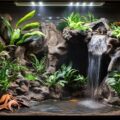 Brilliant Illumination and Space: Why the Exo Terra Terrarium 90x45x90 Remains the Ideal Choice for Your Reptile Enthusiast
 Eco-friendly cleaning with steam cleaners: A detailed comparison for chemical-free solutions
 How Do I Remove My Dog’s Hair Mats Safely? Targeted Brush and Detangling Methods for Sensitive Spots
 Interior decorating ideas to harness animal behavior tips with sage green and indoor plants
 Exploring animal adoption opportunities: a sustainable choice for compassionate living
 Budget Planning for Your Australian Shepherd: Understanding Dog Costs Beyond the Initial Price Tag
 Essential Animal Care Tips for a Cosy and Pet-Friendly Home
 Sustainable pet care tips: eco-friendly solutions for your home
 The Five Most Endearingly Crinkled Dog Breeds: A Complete Guide to Caring for Their Wrinkles
 Essential home tips for pet-friendly living spaces
 Creative Event Planning Ideas for a Memorable Experience
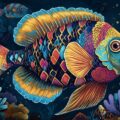 Marine Protected Areas and the Guinean Angelfish: All About This Very Colourful Fish in Sanctuary Waters
 Effective Home Safety Tips for Households with Pets
 Understanding the Characteristics of Fox Terriers and Jack Russells: Best Exercise Activities to Keep Your Fox Terrier Thriving
 Celebrating the Afghan Hound: A Show Dog’s Journey to Westminster Glory
 Eco-Friendly Leads, Collars and Dog Accessories: A Complete Guide for Dogue de Bordeaux Breeds
 Canine Fashion: Accessorise Your Four-Legged Friend Like the Influencers – Social Media’s Impact on Dog Wardrobe Choices
 Cooling Mat for Dogs: Our Opinion on How Non-Toxic Gel Technology Supports Natural Heat Regulation
 The Ultimate Guide to Visiting a Castle with a Dog: Tips and Best Practices for UK and European Estates
 The Best Cat Tree Materials for Safety: What to Look for to Keep Your Feline Friends Secure
 Offer Your Cat a Homemade Toy: The Science Behind Play and Feline Mental Health
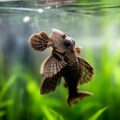 Window Cleaning Fish: What Is Its Use in Creating a Balanced Ecosystem with Shrimp and Snails?
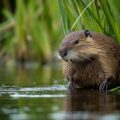 The Coypu Bite: Is the Coypu a Dangerous Animal? Understanding the Differences Between Coypu vs Capybara
 Ferret accessories: items that make living together more enjoyable through interactive puzzle feeders