
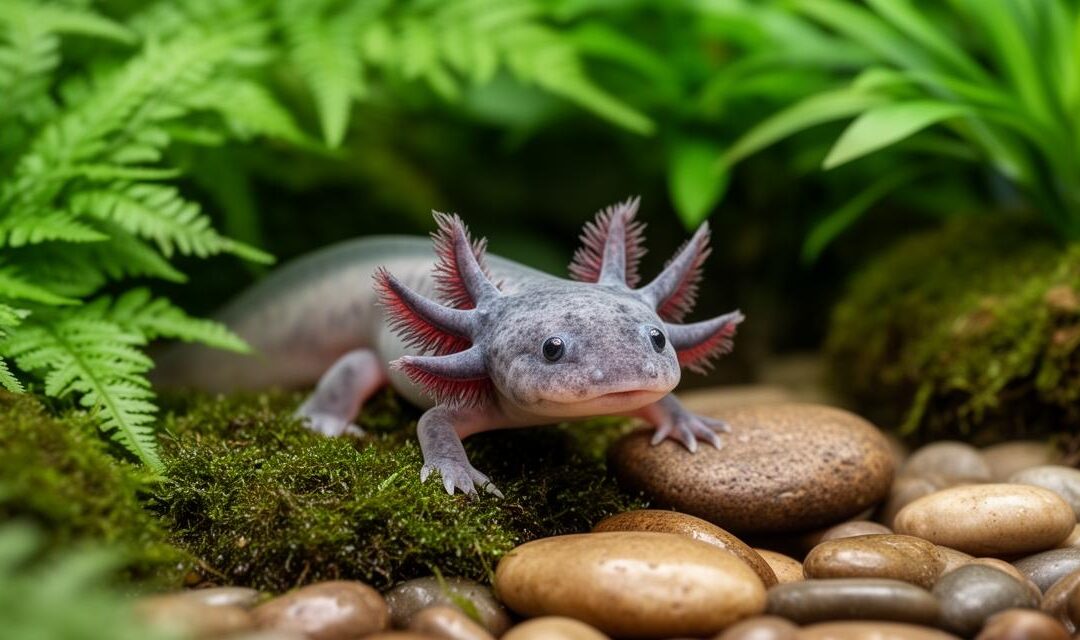
The terrestrial axolotl represents one of the most captivating creatures in the amphibian world, combining remarkable biological features with specific care requirements that challenge even experienced keepers. Native to the lakes of Xochimilco and Chalco in Mexico, these salamanders have captured the imagination of scientists and pet enthusiasts alike. Their ability to regenerate lost limbs and organs, coupled with their unusual neotenic lifestyle, makes them a subject of fascination and ongoing research. Understanding how to provide appropriate care for these animals requires a deep appreciation of their natural environment and biological needs, ensuring they thrive in captivity while contributing to conservation efforts for this critically endangered species.
Understanding the Terrestrial Axolotl: Origins and Biological Characteristics
The Natural Habitat of Mexican Axolotls in Xochimilco and Chalco
Axolotls are fully aquatic salamanders that originate exclusively from the ancient lake systems of Xochimilco in Mexico, where they once thrived in vast networks of canals and waterways. These creatures have become symbols of Mexican culture, so much so that they will soon feature on the new fifty Mexican peso note, highlighting their importance to the nation's identity. However, the natural populations have faced severe decline due to urbanisation and pollution, pushing them to the brink of extinction. Today, more axolotls exist in captivity than in their wild habitat, a sobering reminder of the environmental pressures affecting their native ecosystem. The name itself comes from Aztec words meaning water-dog, reflecting the cultural and historical significance of these salamanders. In the United States, they are sometimes referred to as waterdogs, although this term is rarely used in the United Kingdom. The restricted range of their natural environment means that any habitat loss has an outsized impact on their survival, making conservation efforts absolutely critical for the species.
Remarkable regenerative abilities and metamorphosis patterns
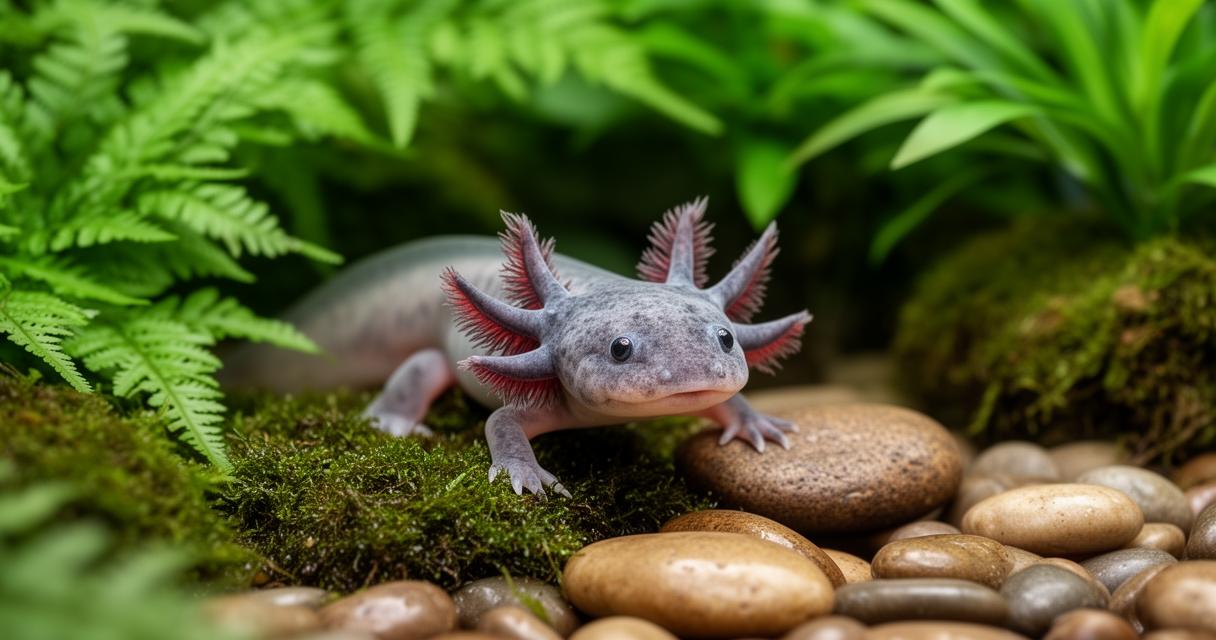
One of the most extraordinary features of axolotls is their regenerative capacity, which allows them to regrow limbs, organs, and even parts of their brain without forming scar tissue. This ability has made them invaluable to scientific research, offering insights into tissue regeneration and potential medical applications for humans. The axolotl genome is the largest fully sequenced genome, consisting of thirty-two billion base pairs, a testament to the complexity of their biological makeup. Unlike most amphibians, axolotls exhibit neoteny, meaning they retain their larval features throughout their lives and do not undergo the typical metamorphosis into a terrestrial adult form. This retention of juvenile characteristics includes their external gills and aquatic lifestyle, which they maintain even as they reach sexual maturity around twelve to eighteen months of age. In captivity, axolotls are available in a variety of colours, including albino, leucistic, golden albino, and melanistic, each offering a unique visual appeal to keepers. Their regenerative abilities and unusual life cycle continue to inspire research, with implications for understanding developmental biology and potential breakthroughs in regenerative medicine.
Creating the Perfect Terrestrial Environment for Your Axolotl
Substrate Selection and Moisture Requirements for Land-Dwelling Specimens
Although axolotls are predominantly aquatic, those that undergo metamorphosis or require land-based environments need careful substrate selection to maintain adequate moisture levels. A soft substrate is essential to prevent injury to their delicate skin, as any rough or abrasive material can cause harm or infection. Sand is often recommended for aquatic setups, as it mimics the natural lake bed and allows the axolotl to move comfortably without risk of ingestion or impaction. For terrestrial setups, maintaining a moist environment is crucial, as axolotls rely on their skin for respiration and can quickly become dehydrated in dry conditions. The substrate should be kept consistently damp but not waterlogged, creating a balance that supports their physiological needs. Natural elements such as smooth stones, moss, and hiding spots can help replicate their native habitat, providing both physical comfort and psychological security. Careful attention to the substrate and environmental moisture ensures that axolotls remain healthy and stress-free, reducing the risk of skin issues or respiratory problems.
Temperature control and water quality management between 16-18°c
Temperature regulation is one of the most critical aspects of axolotl care, as these animals thrive within a narrow range of sixteen to eighteen degrees Celsius. Maintaining water temperature within this range prevents stress and supports their metabolism, as temperatures outside this range can lead to lethargy, reduced appetite, or even illness. A reliable thermometer is essential for monitoring conditions, and a chiller or cooling fan may be necessary in warmer climates to keep the water at the appropriate temperature. Water quality is equally important, as axolotls are messy eaters and produce significant waste, requiring excellent filtration to maintain a clean environment. The pH level should be kept between six and eight, providing a stable and suitable chemical balance for their health. Regular water changes and the use of a dechlorinator are necessary to remove harmful chemicals such as chlorine and chloramines, which can be toxic to axolotls. Cycling the aquarium before introducing the animals ensures that beneficial bacteria are established to break down waste products, creating a safe and stable habitat. Attention to these details ensures that the axolotl's environment remains optimal, supporting their long-term health and wellbeing.
Nutrition, Housing, and Conservation of Terrestrial Axolotls
Balanced feeding protocols and species-specific dietary needs
Axolotls are carnivorous and require a diet rich in protein to support their growth and health, with specific feeds available for different life stages. High-quality axolotl pellets provide a balanced and convenient option, designed to meet their nutritional needs and support their overall condition. In addition to pellets, a variety of meaty foods such as earthworms and frozen fish foods can be offered to ensure dietary diversity and stimulate natural feeding behaviours. Juveniles require smaller portions and more frequent feeding, while adults can be fed every two to three days depending on their size and activity level. Care must be taken to avoid overfeeding, as excess food can lead to water quality issues and health problems such as obesity. Observing the axolotl's body condition and adjusting the diet accordingly helps maintain an ideal weight and prevents nutritional imbalances. Providing a balanced and varied diet is essential for supporting their immune system, promoting regenerative abilities, and ensuring a lifespan of ten to fifteen years in captivity.
Aquarium Setup with Natural Elements and Supporting Conservation Efforts
Creating an appropriate aquarium setup involves selecting a tank that is at least ninety centimetres in length for a single adult, with larger tanks required for multiple individuals to prevent territorial disputes. Shallow water is preferred, as axolotls are bottom-dwellers and do not require deep water to thrive. Filtration should be robust but gentle, as strong currents can stress axolotls and interfere with their natural behaviours. Decoration should be chosen carefully, avoiding sharp edges or rough surfaces that could damage their delicate skin. Natural elements such as plants, smooth stones, and hides provide enrichment and create a visually appealing environment that mimics their native habitat. Axolotls should not be housed with other species, as they may be injured or stressed by tankmates, although cohabitation with other axolotls is possible if sufficient space is available. Supporting conservation efforts is also an important aspect of responsible axolotl keeping, as their critically endangered status in the wild requires awareness and action. By providing excellent care in captivity and supporting initiatives aimed at habitat restoration and pollution reduction, keepers can contribute to the long-term survival of this remarkable species. Interest-free credit options, free delivery on larger orders, and a sixty-day returns policy offer practical support for those setting up their first axolotl habitat, ensuring that the necessary equipment is accessible and affordable.
 How to take care of a puppy?
 Creating a Spa Veranda: Material Selection and Relaxation Planning
 Brilliant Illumination and Space: Why the Exo Terra Terrarium 90x45x90 Remains the Ideal Choice for Your Reptile Enthusiast
 Eco-friendly cleaning with steam cleaners: A detailed comparison for chemical-free solutions
 How Do I Remove My Dog’s Hair Mats Safely? Targeted Brush and Detangling Methods for Sensitive Spots
 Interior decorating ideas to harness animal behavior tips with sage green and indoor plants
 Exploring animal adoption opportunities: a sustainable choice for compassionate living
 Budget Planning for Your Australian Shepherd: Understanding Dog Costs Beyond the Initial Price Tag
 Essential Animal Care Tips for a Cosy and Pet-Friendly Home
 Sustainable pet care tips: eco-friendly solutions for your home
 The Five Most Endearingly Crinkled Dog Breeds: A Complete Guide to Caring for Their Wrinkles
 Essential home tips for pet-friendly living spaces
 Creative Event Planning Ideas for a Memorable Experience
 Marine Protected Areas and the Guinean Angelfish: All About This Very Colourful Fish in Sanctuary Waters
 Effective Home Safety Tips for Households with Pets
 Understanding the Characteristics of Fox Terriers and Jack Russells: Best Exercise Activities to Keep Your Fox Terrier Thriving
 Celebrating the Afghan Hound: A Show Dog’s Journey to Westminster Glory
 Eco-Friendly Leads, Collars and Dog Accessories: A Complete Guide for Dogue de Bordeaux Breeds
 Canine Fashion: Accessorise Your Four-Legged Friend Like the Influencers – Social Media’s Impact on Dog Wardrobe Choices
 Cooling Mat for Dogs: Our Opinion on How Non-Toxic Gel Technology Supports Natural Heat Regulation
 The Ultimate Guide to Visiting a Castle with a Dog: Tips and Best Practices for UK and European Estates
 The Best Cat Tree Materials for Safety: What to Look for to Keep Your Feline Friends Secure
 Offer Your Cat a Homemade Toy: The Science Behind Play and Feline Mental Health
 Window Cleaning Fish: What Is Its Use in Creating a Balanced Ecosystem with Shrimp and Snails?
 The Coypu Bite: Is the Coypu a Dangerous Animal? Understanding the Differences Between Coypu vs Capybara
 Ferret accessories: items that make living together more enjoyable through interactive puzzle feeders
 How to Take Care of Baby Guppies Successfully: Monitoring Water Parameters for Maximum Survival Rates
 How to Raise a Blob: A Proper Guide to Caring for Your Physarum Polycephalum Mate