

Embarking on a journey as a British Shorthair breeder is a rewarding endeavour that combines a love for these charming felines with a commitment to ethical breeding standards. Many aspiring breeders assume that establishing a cattery requires an enormous financial outlay, yet with careful planning and strategic budgeting, it is entirely possible to launch a successful breeding programme without depleting your savings. This guide explores practical approaches to becoming a British Shorthair breeder while keeping costs manageable and ensuring the highest standards of animal welfare remain at the forefront of your operation.
Understanding the British Shorthair Breed and Building Your Foundation
Mastering Breed Characteristics and Standards on a Budget
The British Shorthair is renowned for its round face, dense coat, and affectionate temperament, making it one of the most sought-after breeds among cat enthusiasts. Developing a comprehensive understanding of breed characteristics and standards is essential before investing in your foundation breeding cats. Fortunately, this knowledge need not come at a steep price. Many reputable organisations offer online resources, forums, and communities where experienced breeders freely share insights into the breed's history, physical traits, and temperament. Engaging with these platforms allows you to absorb valuable information without enrolling in costly formal courses. Attending cat shows and exhibitions provides another cost-effective avenue for learning, as you can observe top-quality British Shorthairs in person and speak directly with breeders who are passionate about their craft. Establishing relationships with mentors in the breeding community can significantly enhance your learning experience, as seasoned breeders often provide guidance on interpreting breed standards and recognising the subtle traits that distinguish exceptional cats from average specimens. By dedicating time to self-education and leveraging free or low-cost resources, you can build a solid foundation of breed knowledge that will inform all future breeding decisions and help you produce kittens that meet the highest standards.
Essential Knowledge of Cat Health and Breeding Practices
Understanding feline health and responsible breeding practices is non-negotiable for any aspiring breeder. British Shorthairs are generally robust, yet they can be predisposed to certain genetic conditions that require diligent screening. Health testing for conditions such as hypertrophic cardiomyopathy, commonly referred to as HCM, and polycystic kidney disease, known as PKD, is essential before introducing any cat into a breeding programme. While these tests represent an upfront cost, they are a critical investment in the long-term health of your breeding line and the welfare of future litters. Many veterinary practices offer competitive pricing for health screenings, and building a strong partnership with a reliable vet can lead to more favourable rates over time. Additionally, gaining a thorough understanding of feline reproductive cycles, pregnancy, and kitten care is vital. Numerous reputable online courses, webinars, and educational materials are available at minimal or no cost, covering topics from feline genetics to neonatal kitten management. Joining cat breeding organisations often grants access to exclusive educational content and training opportunities that can further enhance your expertise. By prioritising health knowledge and ethical breeding practices from the outset, you not only safeguard the wellbeing of your cats but also establish a reputation as a responsible breeder who prioritises animal welfare above profit.
Establishing your breeding programme without overspending
Creating a Cost-Effective Breeding Plan for Healthy Kittens
Developing a breeding plan that balances quality and affordability requires strategic thinking and realistic goal-setting. A well-structured breeding plan outlines your objectives, target litter frequency, and the traits you wish to enhance or preserve in your line. Starting with a single foundation queen is a sensible approach for those conscious of initial expenses. Foundation queens typically cost between two thousand and five thousand pounds or more, depending on pedigree and quality. Opting for a high-quality queen from a reputable breeder may represent a significant upfront investment, yet it pays dividends by ensuring genetic soundness and reducing the likelihood of health issues that could incur substantial veterinary costs later. Rather than acquiring multiple breeding cats immediately, focusing on one or two excellent individuals allows you to manage expenses while gaining hands-on experience. Stud fees, which range from five hundred to two thousand pounds per mating, can also be a considerable expense. Building relationships with stud owners and negotiating favourable terms, such as pick-of-litter arrangements or reduced fees for repeat matings, can help control costs. Preparing a detailed budget that accounts for all expected expenses, including food, litter, veterinary care, and cattery setup, is crucial. Many breeders recommend setting aside a surplus of fifteen to twenty per cent of your projected income to cover unexpected expenses, ensuring that financial surprises do not jeopardise your breeding programme. Expecting one to two years of preparation before your first litter is realistic, allowing time to acquire knowledge, establish partnerships, and ensure all health testing is complete. This measured approach not only protects your finances but also demonstrates a commitment to responsible breeding practices.

Obtaining certifications and meeting legal requirements affordably
Navigating the legal landscape of cat breeding is essential to operate within the law and protect your business. In the United Kingdom, breeders may require a breeding licence depending on the number of litters produced annually, and local councils conduct inspections to ensure compliance with animal welfare standards. Researching the specific requirements in your area early in the planning process helps avoid unexpected costs or delays. Registering your cattery with recognised organisations such as the Cat Fanciers' Association or The International Cat Association is another important step. The CFA registration costs one hundred pounds for five years, while TICA registration is forty pounds, making both options accessible for budding breeders. These registrations not only lend credibility to your breeding programme but also provide access to valuable resources, including breed standards, health guidelines, and networking opportunities. Additionally, obtaining appropriate insurance is a prudent investment that protects against potential liabilities. Public liability insurance, employers liability insurance if you have staff, and professional indemnity cover are among the options available through specialist providers. Policies tailored to cat and dog breeders often include coverage for pet accidents, loss of animals, business interruption, and legal expenses. Securing comprehensive insurance safeguards your investment and provides peace of mind, allowing you to focus on breeding rather than worrying about unforeseen incidents. By methodically addressing legal and administrative requirements, you establish a professional foundation that enhances your reputation and ensures long-term sustainability.
Managing breeding costs and building your professional network
Budgeting for Veterinary Care and Essential Breeding Expenses
Veterinary care represents one of the most significant ongoing expenses in a breeding operation, yet it is an area where strategic planning can yield considerable savings. Routine care expenses, including vaccinations, parasite control, and general health checks, typically average around two thousand pounds per month when factoring in the needs of breeding cats and kittens. Establishing a partnership with a trusted veterinary practice can lead to preferential rates for regular services and emergency care. Many vets offer wellness plans or discounts for breeders who commit to long-term relationships, so it is worth discussing these options during your initial consultations. Emergency veterinary care and unexpected health issues can quickly escalate costs, which is why maintaining an emergency fund is critical. Setting aside fifteen to twenty per cent of your income specifically for unforeseen expenses provides a financial cushion that prevents disruptions to your breeding programme. Monthly expenses typically range from eight hundred to two thousand pounds, encompassing food, litter, veterinary care, and other essentials. Choosing high-quality nutrition for your cats is a worthwhile investment, as proper diet supports reproductive health and ensures kittens thrive. Buying supplies in bulk, subscribing to loyalty programmes, and seeking out reputable online retailers can further reduce costs without compromising quality. Cattery setup costs, which can vary from two thousand to ten thousand pounds depending on scale and location, should also be carefully budgeted. Investing in durable, easy-to-clean equipment and facilities minimises long-term maintenance expenses and creates a comfortable, hygienic environment for your cats. By meticulously managing veterinary care and essential expenses, you ensure that your breeding operation remains financially viable while prioritising the health and wellbeing of your animals.
Networking with Fellow Breeders and Investing in Ethical Training Practises
Building a strong professional network within the breeding community is invaluable for both personal development and the success of your breeding programme. Connecting with fellow British Shorthair breeders provides opportunities to exchange knowledge, share experiences, and access mentorship. Many established breeders are generous with their time and expertise, offering guidance on everything from selecting breeding pairs to managing challenging births. Attending cat shows, breed club meetings, and online forums facilitates these connections and helps you stay informed about the latest developments in breeding practices and health research. Joining relevant organisations, such as breed-specific clubs or national cat breeding associations, grants access to exclusive resources, training events, and certification programmes. These memberships often come with modest annual fees, yet the benefits far outweigh the costs. Investing in proper training to enhance your breeding skills is another critical component of success. Workshops, webinars, and hands-on training sessions offered by reputable organisations enable you to refine techniques, learn about emerging health concerns, and stay current with ethical breeding standards. Prioritising ethical breeding practices not only ensures animal welfare but also enhances your reputation and attracts discerning buyers who value responsible breeding. Transparency about health testing, clear communication with prospective owners, and a commitment to improving the breed all contribute to a positive reputation that supports long-term business growth. Marketing your breeding programme through social media platforms and a well-maintained website amplifies your reach without requiring substantial financial investment. Creating engaging content, sharing updates on your cats and kittens, and interacting with followers build a loyal community and generate interest in your breeding programme. Opening a separate business bank account streamlines bookkeeping and simplifies financial management, ensuring that breeding income and expenses remain distinct from personal finances. By cultivating a robust professional network and committing to continuous learning, you position yourself for sustained success as a British Shorthair breeder.
 How to take care of a puppy?
 Creating a Spa Veranda: Material Selection and Relaxation Planning
 Brilliant Illumination and Space: Why the Exo Terra Terrarium 90x45x90 Remains the Ideal Choice for Your Reptile Enthusiast
 Eco-friendly cleaning with steam cleaners: A detailed comparison for chemical-free solutions
 How Do I Remove My Dog’s Hair Mats Safely? Targeted Brush and Detangling Methods for Sensitive Spots
 Interior decorating ideas to harness animal behavior tips with sage green and indoor plants
 Exploring animal adoption opportunities: a sustainable choice for compassionate living
 Budget Planning for Your Australian Shepherd: Understanding Dog Costs Beyond the Initial Price Tag
 Essential Animal Care Tips for a Cosy and Pet-Friendly Home
 Sustainable pet care tips: eco-friendly solutions for your home
 The Five Most Endearingly Crinkled Dog Breeds: A Complete Guide to Caring for Their Wrinkles
 Essential home tips for pet-friendly living spaces
 Marine Protected Areas and the Guinean Angelfish: All About This Very Colourful Fish in Sanctuary Waters
 Effective Home Safety Tips for Households with Pets
 Understanding the Characteristics of Fox Terriers and Jack Russells: Best Exercise Activities to Keep Your Fox Terrier Thriving
 Celebrating the Afghan Hound: A Show Dog’s Journey to Westminster Glory
 Eco-Friendly Leads, Collars and Dog Accessories: A Complete Guide for Dogue de Bordeaux Breeds
 Canine Fashion: Accessorise Your Four-Legged Friend Like the Influencers – Social Media’s Impact on Dog Wardrobe Choices
 Cooling Mat for Dogs: Our Opinion on How Non-Toxic Gel Technology Supports Natural Heat Regulation
 The Ultimate Guide to Visiting a Castle with a Dog: Tips and Best Practices for UK and European Estates
 The Best Cat Tree Materials for Safety: What to Look for to Keep Your Feline Friends Secure
 Offer Your Cat a Homemade Toy: The Science Behind Play and Feline Mental Health
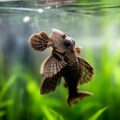 Window Cleaning Fish: What Is Its Use in Creating a Balanced Ecosystem with Shrimp and Snails?
 The Coypu Bite: Is the Coypu a Dangerous Animal? Understanding the Differences Between Coypu vs Capybara
 Ferret accessories: items that make living together more enjoyable through interactive puzzle feeders
 How to Take Care of Baby Guppies Successfully: Monitoring Water Parameters for Maximum Survival Rates
 How to Raise a Blob: A Proper Guide to Caring for Your Physarum Polycephalum Mate
 Terrestrial Axolotl: All the Info for Taking Care of Them – Comprehensive Guidelines for Handling and Long-Term Care Success